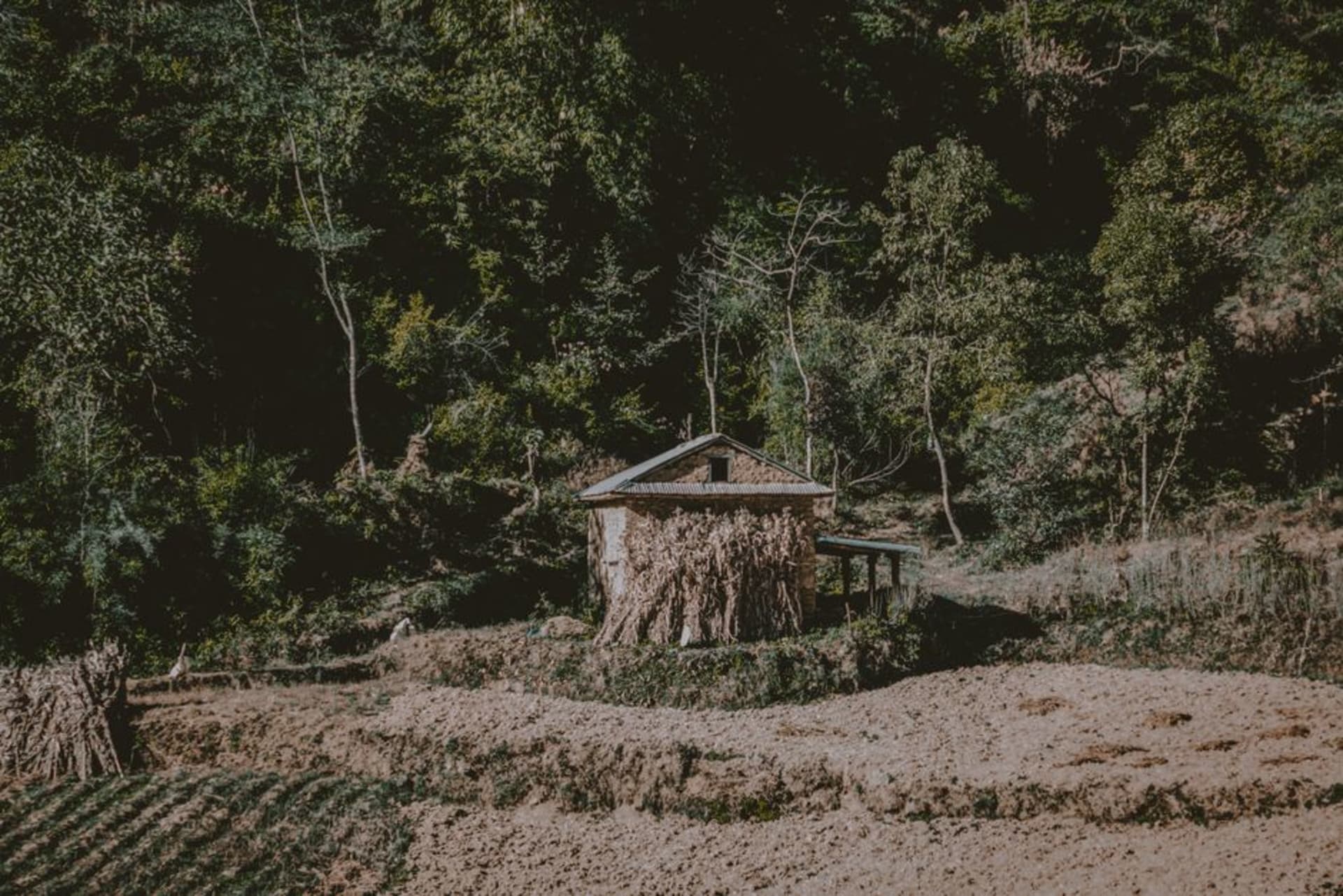
Syabrubesi
"Syabrubesi isn't a destination. It's a decompression chamber between the bus and the mountains."
The dusty trailhead town on the Tibetan border road where the Langtang trek actually begins — half transit hub, half last-chance outfitting stop, all business before the mountains take over.
Nobody plans a trip around Syabrubesi. It’s the place you pass through — the last town with a paved road before the Langtang trail starts climbing — and most trekkers spend a single night here, eat one plate of dal bhat, and forget the name by the time they reach Lama Hotel two days later. I did exactly that on my first trip through. On my second, delayed by a landslide that closed the road for a day, I actually looked at the place, and it turned out to deserve more than a footnote.
Two rivers and a border road
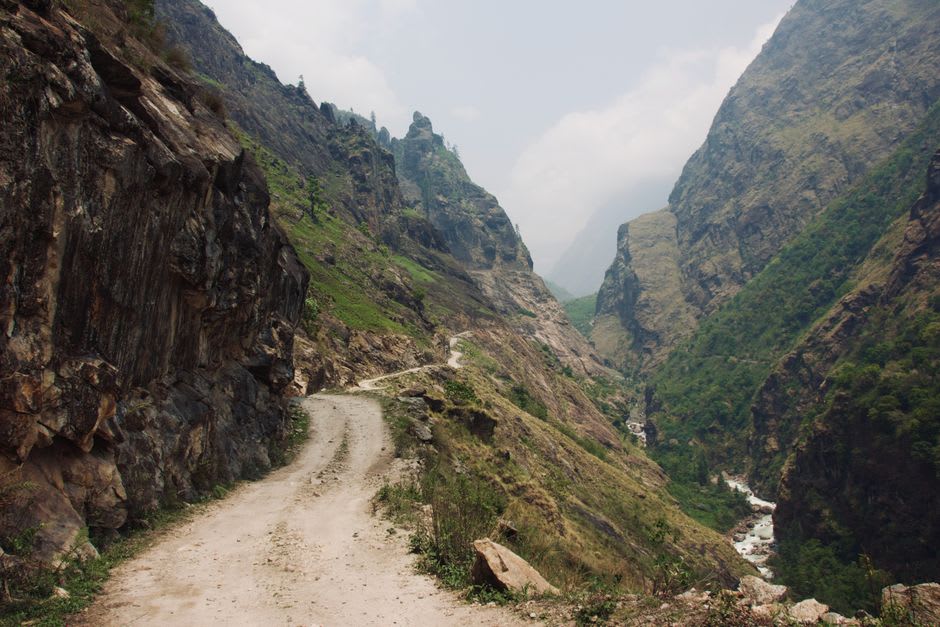
Syabrubesi sits where the Bhote Koshi and Langtang Khola rivers meet, at the bottom of a gorge so steep the town barely has room to exist — a single main street wedged between the water and the hillside, guesthouses stacked on top of each other, buses idling at the far end with their engines running for no reason anyone can explain. The road that brought you here continues north toward the Tibetan border at Rasuwagadhi, and there’s a version of Nepal here that feels genuinely transactional — traders, porters, buses full of goods headed both directions — that the trekking towns further up the valley have mostly lost.
The delay that changed my opinion
The landslide that stranded me here for an extra day turned out to be a gift. I walked up past the last guesthouses to a small Tamang settlement where women were drying chili peppers on tarps in the sun, and got invited in for tea by an old man who’d worked as a road crew foreman on the same highway that had just failed him. He talked about the earthquake, about the border trade with Kerung on the Chinese side, about how the town had grown from a handful of houses to what it is now almost entirely because of trekking traffic headed somewhere else. It was one of those conversations that only happens because your plans fell apart.
Why it’s worth a slower look
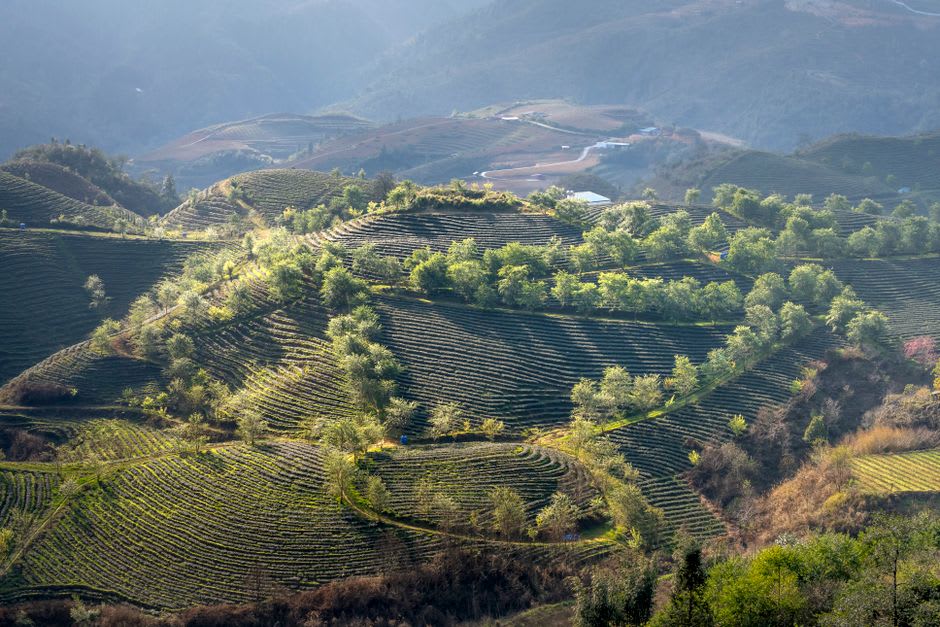
If you’re doing the Langtang or Gosaikunda trek, you’ll pass through Syabrubesi regardless. My suggestion: don’t treat it purely as logistics. Arrive with enough daylight left to walk the road north toward the border checkpoint, or just sit at a rooftop table and watch the buses turn around in a space that seems too small for them. It’s not a scenic destination in the way Kyanjin Gompa or Gosaikunda are. It’s a working town that happens to sit at the door to some of the best trekking in the country, and there’s something honest about that.
When to go: Syabrubesi is accessible year-round by road, but October–November and March–April line up with the best trekking weather beyond it. Avoid the monsoon months of June–September, when landslides regularly close the access road for days at a time.