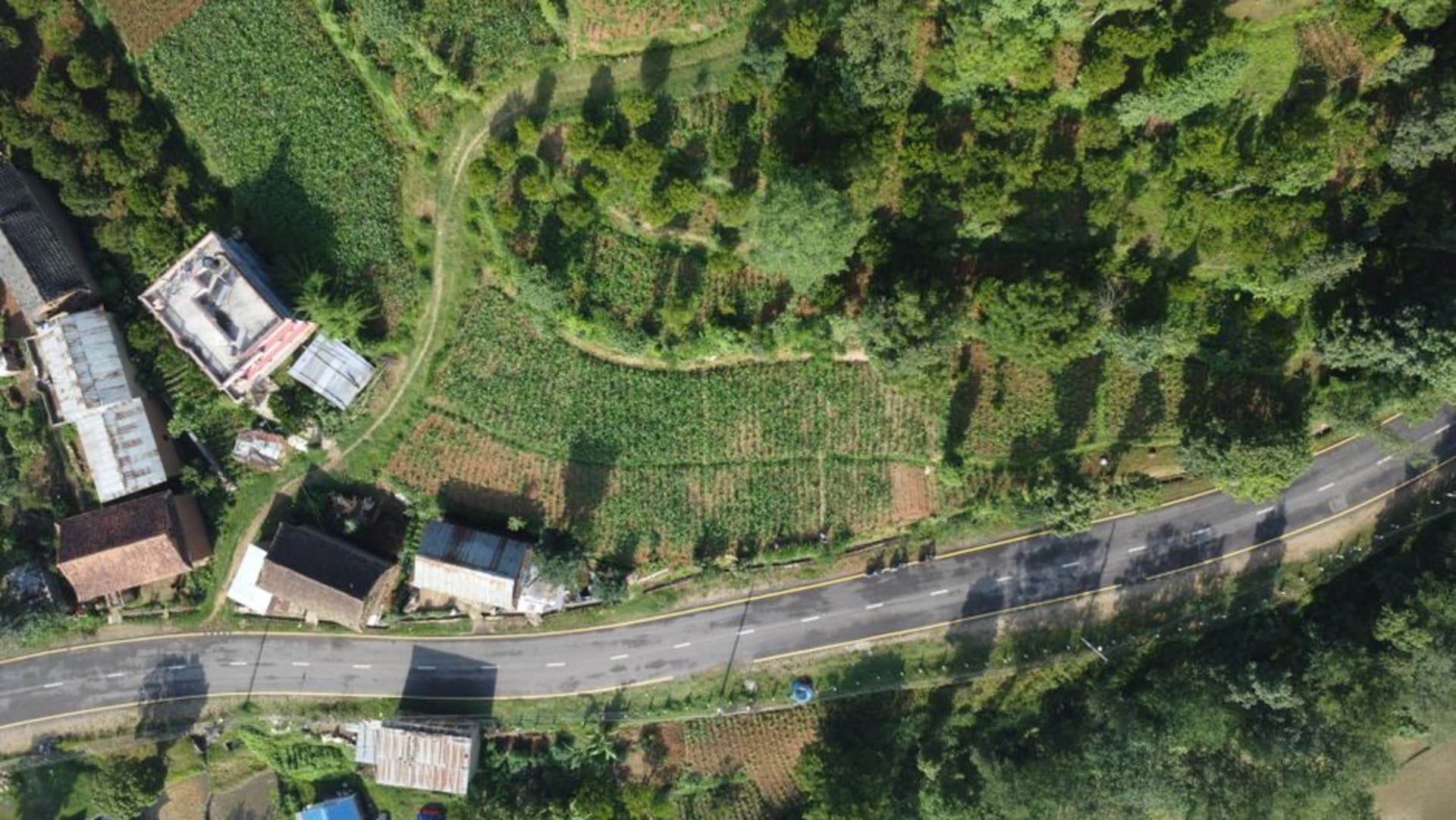
Panauti
"Panauti has the same architecture as the famous Newari cities, minus the entrance fee and minus the crowd. I still don't understand why more people don't go."
A Newari temple town at the confluence of two rivers, thick with medieval architecture and almost entirely free of the tour buses that clog Bhaktapur and Patan an hour up the road.
Panauti sits at the confluence of the Roshi and Punyamati rivers, a Newari settlement old enough that locals will tell you it predates Kathmandu itself, and it has the temple architecture to back up the claim. I went expecting a minor detour on the way back from Namobuddha and ended up spending most of a day wandering brick lanes that felt genuinely untouched by the tourism economy that’s reshaped Bhaktapur and Patan.
The confluence and the temples
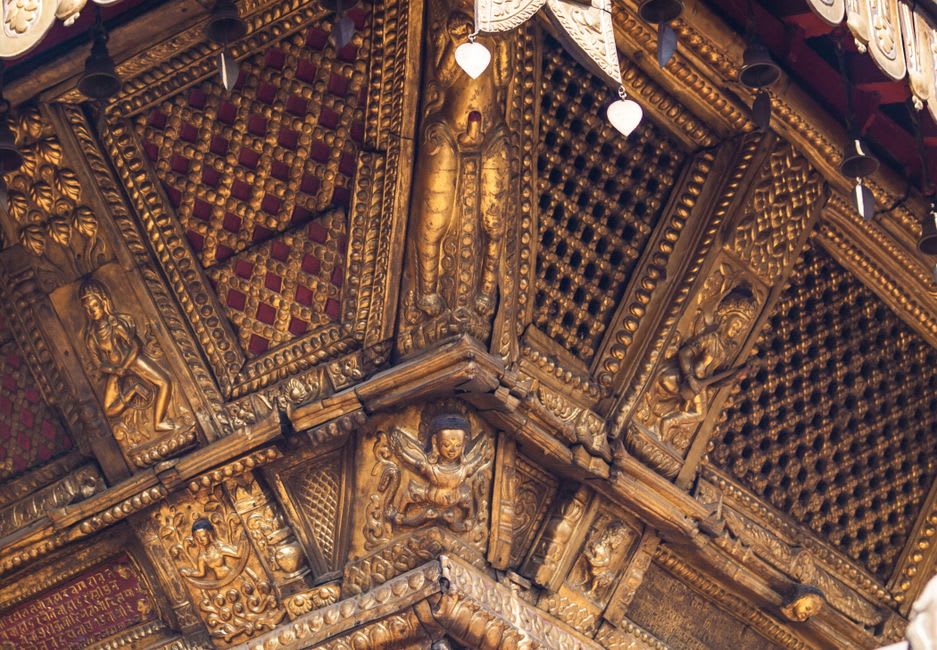
The Indreshwar Mahadev Temple, at the point where the two rivers meet, is one of the oldest standing pagoda-style temples in Nepal — parts of the current structure date to the thirteenth century, with wood carvings on the struts so detailed and so weathered that they look closer to sculpture than architecture. Cremation ghats line the riverbank nearby, and on the morning I visited a small funeral procession was underway, a reminder that this is a living religious site rather than a museum piece, and I kept a respectful distance while still absorbing what an extraordinary structure it is.
Wandering without a map
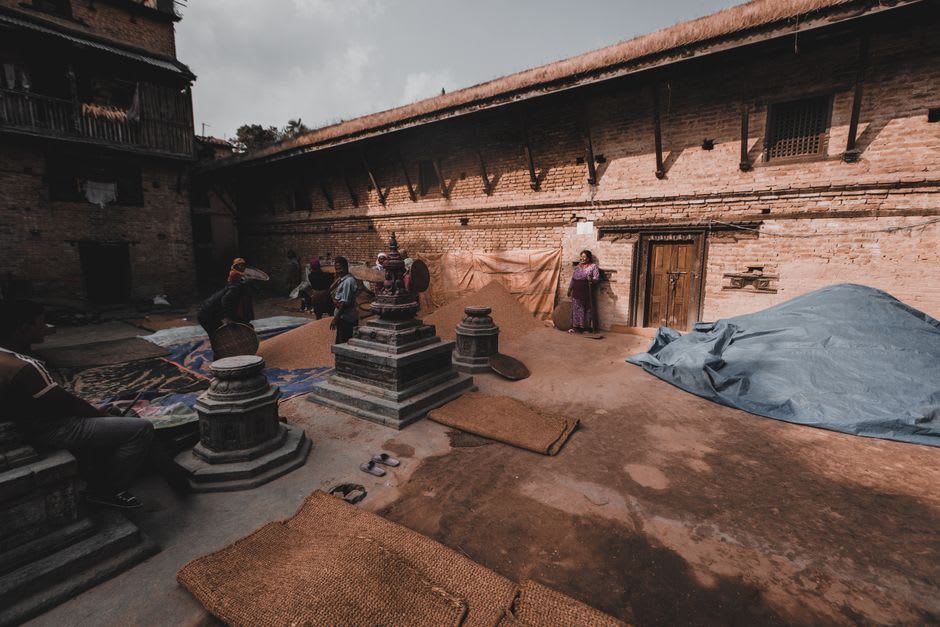
What struck me most about Panauti wasn’t any single monument but the density of smaller, unlabeled ones — courtyard shrines, stone water spouts still in daily use, carved doorframes on houses that are just houses, not preserved for tourism. I wandered for two hours without consulting a map and kept finding more: a small monastery down one alley, a row of chaityas along the riverbank, an elderly woman drying grain on a temple plinth as if it were the most ordinary surface in town, which to her it clearly was.
Why the lack of crowds matters
Panauti gets a fraction of the visitors that Bhaktapur does despite having comparable architectural density, largely because it sits slightly further from Kathmandu and has less name recognition. That obscurity is the whole appeal. There’s no entrance fee, no queue of tour groups working through a checklist, and the temples exist in the middle of ordinary town life rather than behind a ticket gate. If Bhaktapur felt too curated on your visit, Panauti is the corrective.
When to go: October through April brings dry weather and comfortable temperatures for wandering the old town on foot. The Panauti Jatra festival in late December or January adds chariot processions and crowds, worth timing for if you don’t mind sharing the narrow lanes. Avoid the monsoon (June–September) if you want to explore the riverside ghats comfortably.