Bhojpur
"You know a town takes its knives seriously when the blacksmiths outnumber the guesthouses."
A remote hilltop bazaar famous for hand-forged khukuri blades, reached only on foot or by a single short mountain flight.
Getting to Bhojpur is most of the story. There’s a short, occasionally cancelled flight from Biratnagar to a grass-and-gravel airstrip carved into a ridge, or a multi-day trek in from Dharan or Hile — I did the flight, white-knuckled through a bank of morning cloud in a plane that seemed too small for the mountains it was navigating around. When we landed, the pilot cut the engine and I sat there for a moment just breathing, grateful and slightly amazed, before walking the twenty minutes into town.
The Blacksmith Quarter
Bhojpur has been Nepal’s khukuri-making capital for generations, and the reputation is not folklore — walk the lanes near the old bazaar in the morning and you’ll hear hammers on anvils from half a dozen open-fronted forges before you see a single one. I watched a Kami craftsman, third generation in his trade, heat a strip of scrap leaf-spring steel to orange in a charcoal forge fanned by a hand-cranked bellows, then fold and hammer it into the distinctive inward curve of a khukuri blade over the better part of an hour. He fitted the tang into a hand-carved rosewood handle without measuring anything, by eye, the way his father had taught him. I bought a small one, more souvenir than weapon, and I still think about the precision of his hands every time I look at it on the shelf at home.
The Newari Bazaar on the Ridge
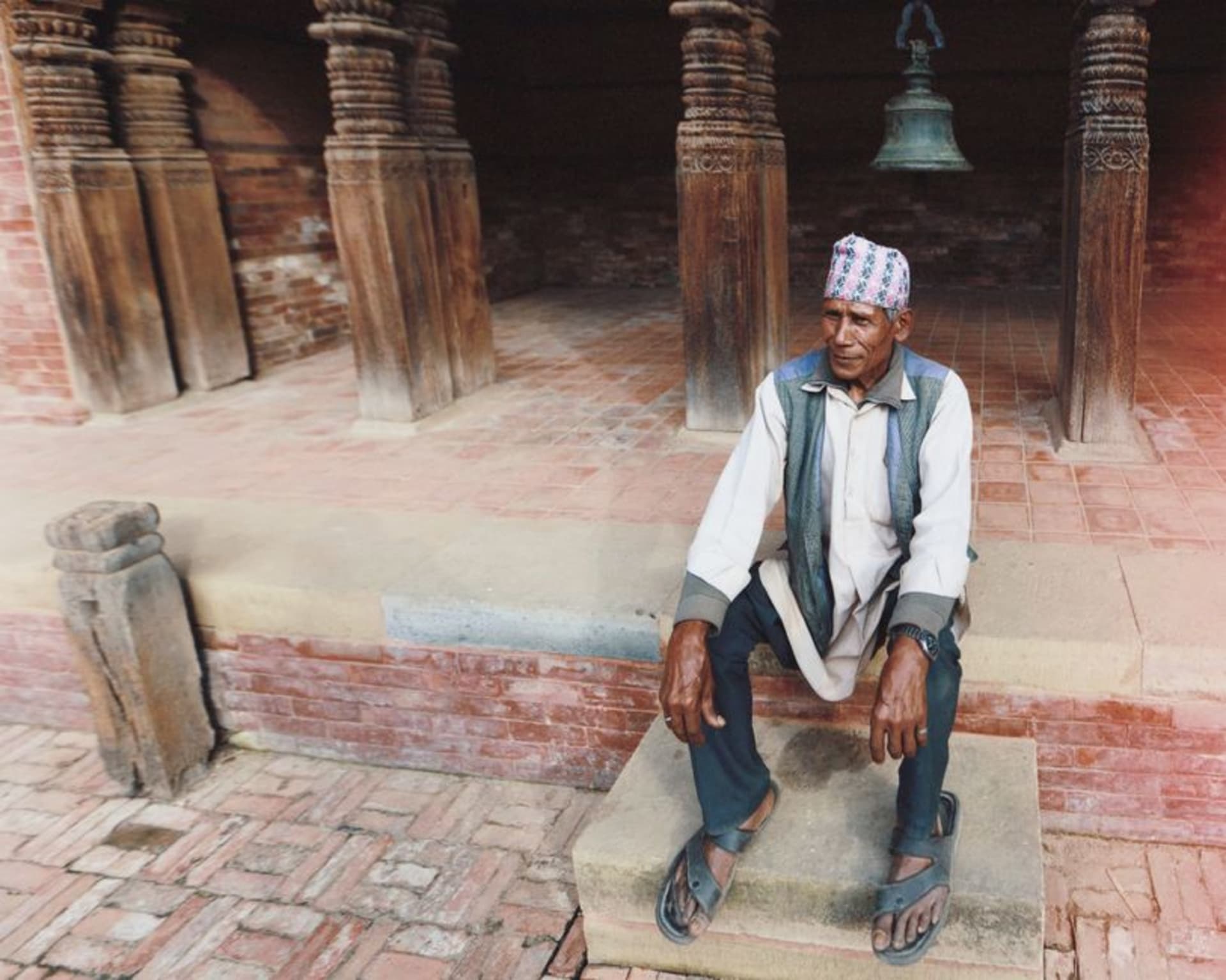
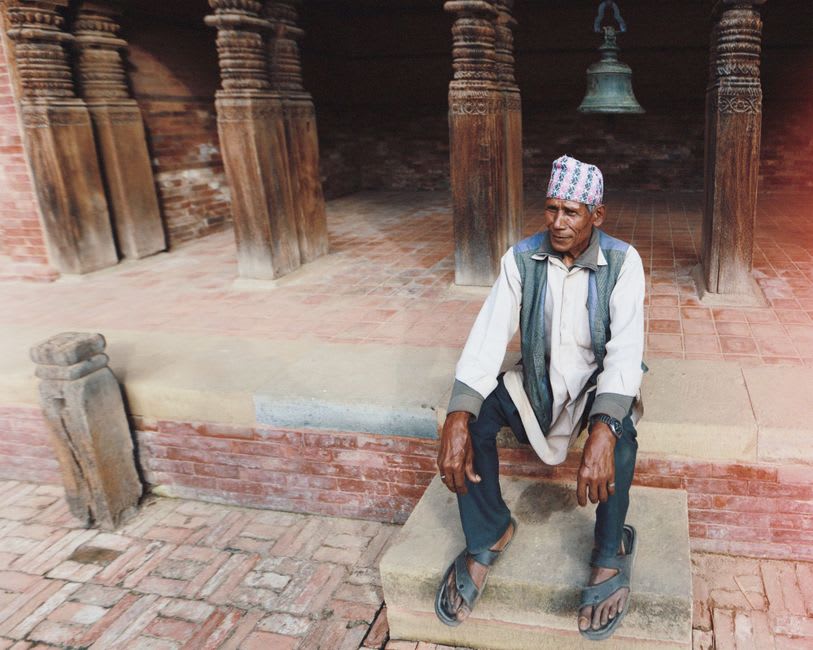
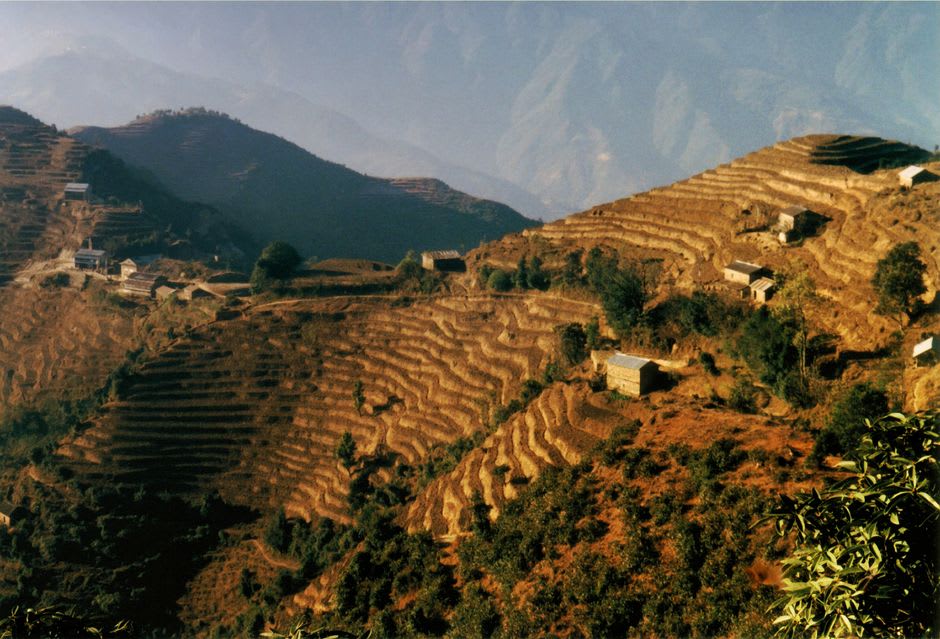
Bhojpur’s old town sits on a saddle ridge with views dropping away on both sides into the Arun and Sabha river valleys, and the architecture is distinctly Newari — brick facades, carved wooden windows, a settlement pattern that traders brought here centuries ago along the trans-Himalayan trade routes to Tibet. The Bhojpur Durbar, the old palace of the Sen kings who once ruled this region, stands weathered but intact above the bazaar, and Aitabare hilltop above town gives a 360-degree view that on a clear morning stretches to Makalu and the eastern Himalayan wall.
The Silence That Follows You
What stayed with me longest wasn’t the knives or the view, though both were memorable. It was how little Bhojpur has changed its rhythm for outsiders. There’s no real tourist infrastructure — a handful of basic guesthouses, dal bhat at every one of them, and a bazaar that goes about its blacksmithing and grain-selling business regardless of who’s watching. Lia and I sat on the palace steps one evening while a group of schoolchildren practiced a dance for some upcoming festival in the courtyard below, entirely unbothered by us, and it was one of those moments that reminds you why the effort of getting somewhere remote is usually worth it.
When to go: October to December for clear mountain views and reliable flights. March and April bring blooming rhododendrons on the surrounding ridges. The monsoon (June–September) grounds flights frequently and turns the trekking approaches muddy, so plan buffer days if you’re relying on the airstrip.