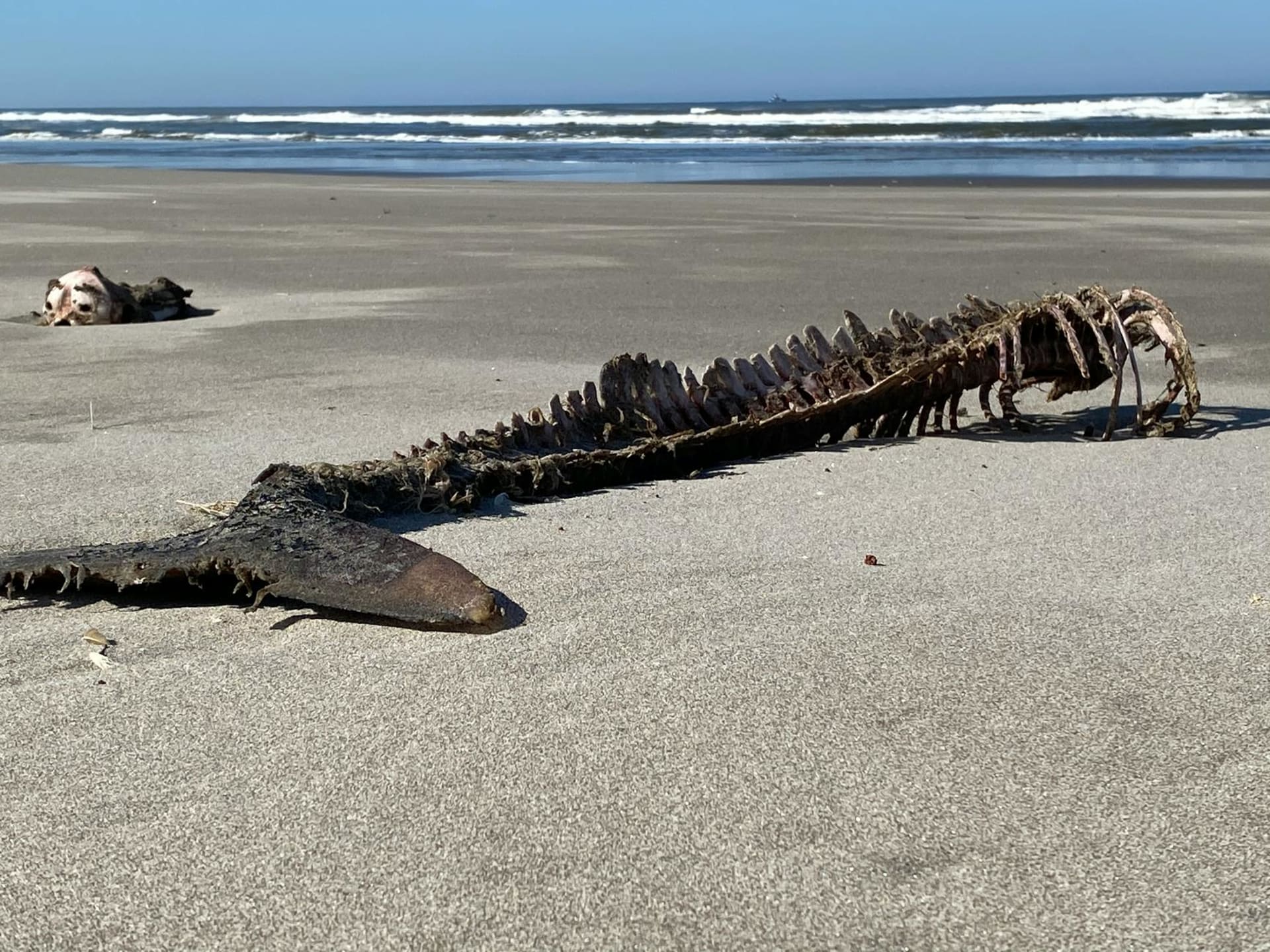
A shipwreck-strewn coast where fog rolls in from the Benguela Current, and seal colonies bark into the mist.
We drove the C34 north from Swakopmund before the sun had found its footing, the gravel road dissolving ahead of us into a white nothing. The fog came not from clouds but from the sea itself — cold Benguela Current air hitting the desert heat — and it moved across the sand like something with intention. The dunes on one side were burnt sienna. The Atlantic on the other was gun-metal and ageless. Between them, the coast held its breath.
Where the Ships Came to Die
The Bushmen called it The Land God Made in Anger. The Portuguese called it The Gates of Hell. Both names feel earned the moment you step outside the car and the salt air hits the back of your throat like a wet cloth. The wrecks along this stretch are not dramatic ruins — they are modest, patient things, half-swallowed by sand, stripped orange by oxidation. The Eduard Bohlen, grounded since 1909, now sits nearly 500 meters inland from the waterline. The sea retreated; the wreck stayed. That kind of geological indifference does something to a person’s sense of scale.
Lia stood on the hull for a while, not saying anything. I watched her silhouette dissolve at the edges in the mist and understood why people come here to feel small.
The Seal Colonies at Cape Cross
Nothing prepares you for Cape Cross. Not the photographs, not the description in any guidebook. We smelled it twenty minutes before we saw it — a dense, mammalian wall of ammonia and fish and something almost sweet underneath, like rot that has made peace with itself. Then the sound: roughly 80,000 Cape fur seals, barking, arguing, piling over one another on the black rocks, mothers calling cubs with a tone that sounds startlingly close to human grief.
What surprised me was the stillness at the edges. Farther down the shore, away from the colony’s center, a dozen old bulls lay alone on flat rock shelves, eyes open, watching the fog. Not sleeping — watching. I’d expected spectacle and got, unexpectedly, something closer to meditation.
Light at the End of the Day
By afternoon the fog burns off and the coast reveals itself in amber. The sand turns from pale gray to a deep, almost architectural orange. The shipwrecks cast long shadows. We ate dried springbok biltong from a paper bag we’d picked up in Henties Bay and watched the light move across the dunes the way light moves across water — liquid, uninstructed.
There is almost nothing here. That is the entire point.
When to go: May through September offers the most dramatic fog and the coolest temperatures along the coast; the Cape Cross seal colony is at its most active — and loudest — between October and December, when pups are born.