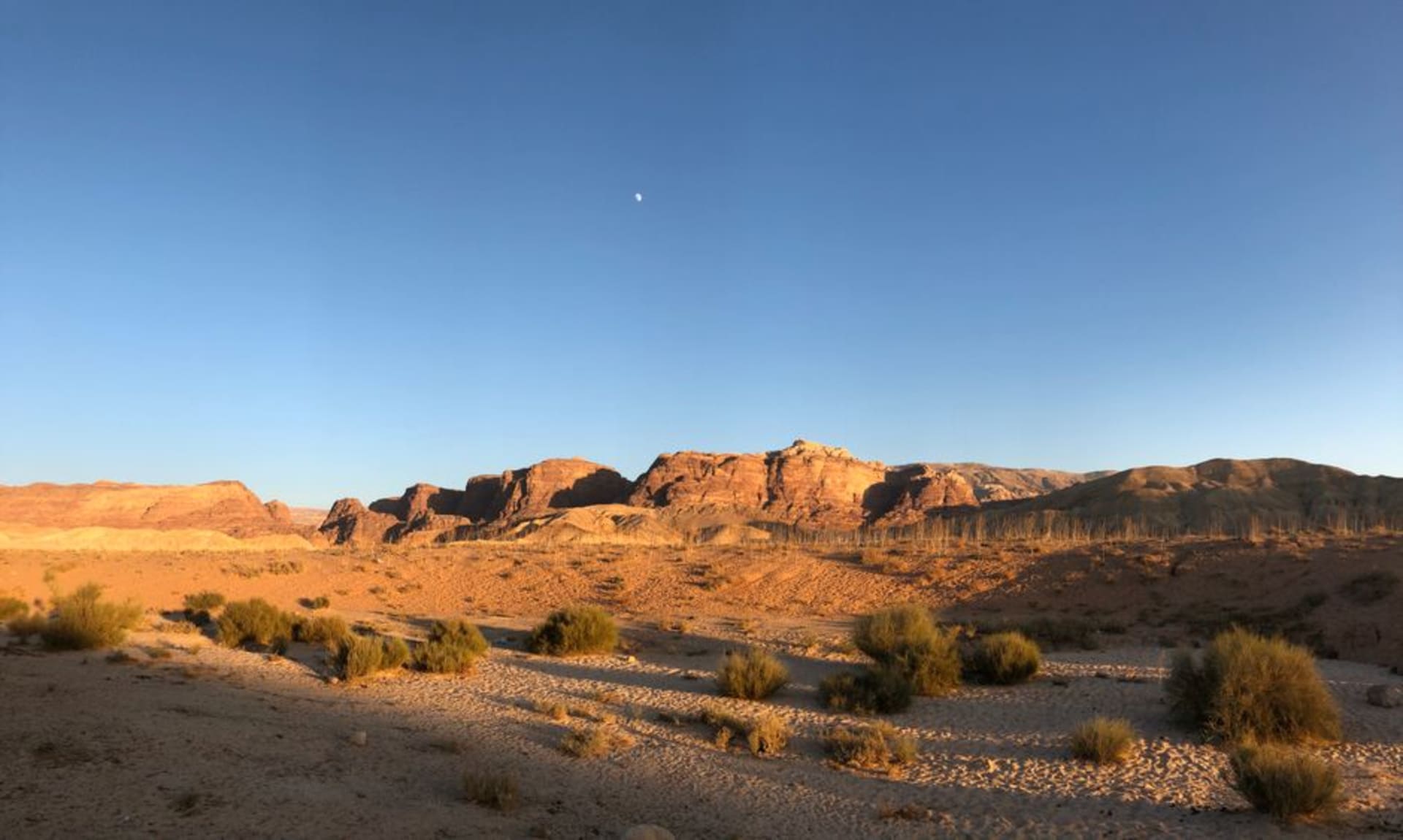
Wadi Araba
"This flat, brutal corridor is the reason Petra exists at all — it was the road, and someone had to control the road."
The vast rift-valley corridor between the Dead Sea and the Red Sea that the Nabataeans used as their highway, and that today swallows you in silence and heat in equal measure.
I drove the full length of Wadi Araba in a single afternoon, from just south of the Dead Sea to Aqaba, and it is one of those landscapes that photographs badly and lodges permanently in memory anyway — a wide, startlingly flat corridor of the Great Rift Valley running roughly north to south, mountains rising on both sides but the valley floor itself so level and empty that the heat visibly shimmers off it even through a closed car window. It is easy to underestimate this stretch of desert because it lacks a single dramatic monument to point a camera at. But without Wadi Araba, none of the monuments further north or south make sense — this was the corridor connecting the Dead Sea trade routes to the Red Sea port at Ayla, the road the Nabataeans needed to control absolutely to make Petra the wealthy crossroads capital it became.
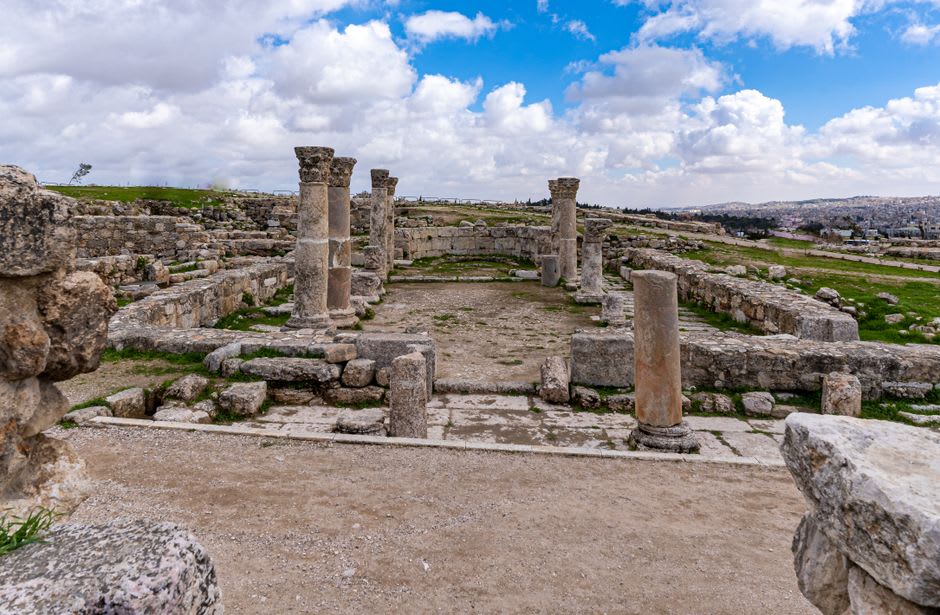
Scattered along the route, easy to miss if you are not looking, are the low ruins of Gharandal, a Nabataean and later Roman-Byzantine way station with a fort, a bathhouse, and a church, all half-buried under wind-blown sand and visited by almost nobody despite sitting directly beside the modern highway. I stopped for twenty minutes, climbed over a low wall with no fence to stop me, and stood in what had clearly once been a bathhouse floor, mosaic fragments still visible underfoot, while trucks rumbled past on the road twenty meters away, utterly indifferent to the two thousand years of history sitting beside them.
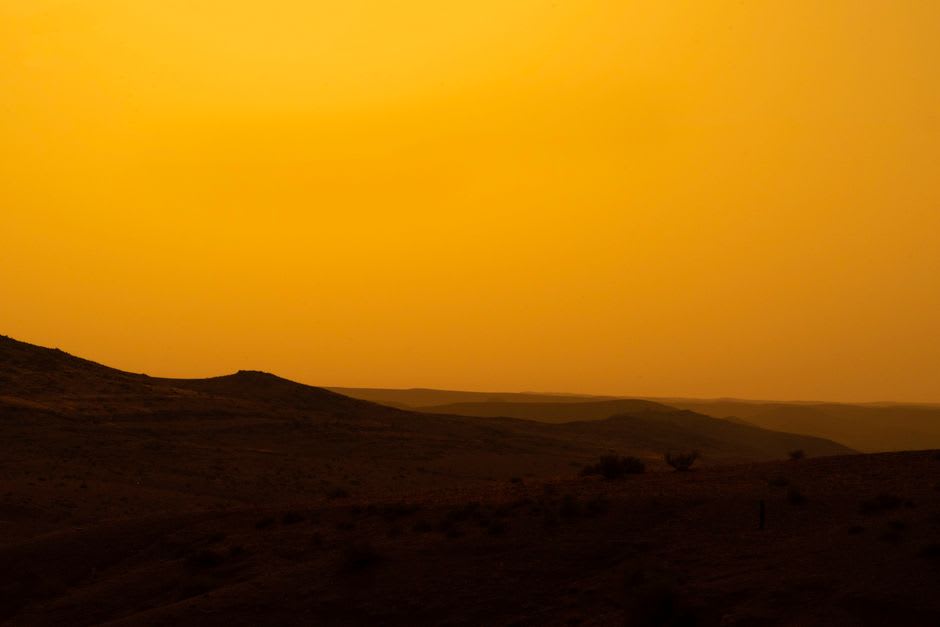
What stayed with me most, though, was the light at the end of the day. Driving the last hour toward Aqaba as the sun dropped behind the hills to the west, the whole valley turned a deep, saturated rust color, the mountains on either side going nearly black in silhouette, and I pulled over onto the shoulder just to stand outside the car for ten minutes in a silence so complete I could hear my own pulse. No wind, no birds, no other cars for that stretch of minutes. Just heat radiating up off asphalt that had baked all day, and a color in the sky that no filter I’ve used since has ever quite replicated.
When to go: November through February only, honestly — this is one of the hottest, most exposed corridors in Jordan and summer temperatures here are dangerous, not just uncomfortable. Carry more water than you think you need, and treat any stop outside the car as a five-minute affair unless it is early morning or near sunset.
Keep exploring
More from Nabataean Desert
 nabataean-desert
 Wadi Feynan
A valley of ancient copper mines and candlelit nights at the bottom of the Dana reserve, where the desert goes properly dark for the first time in your trip.
Explore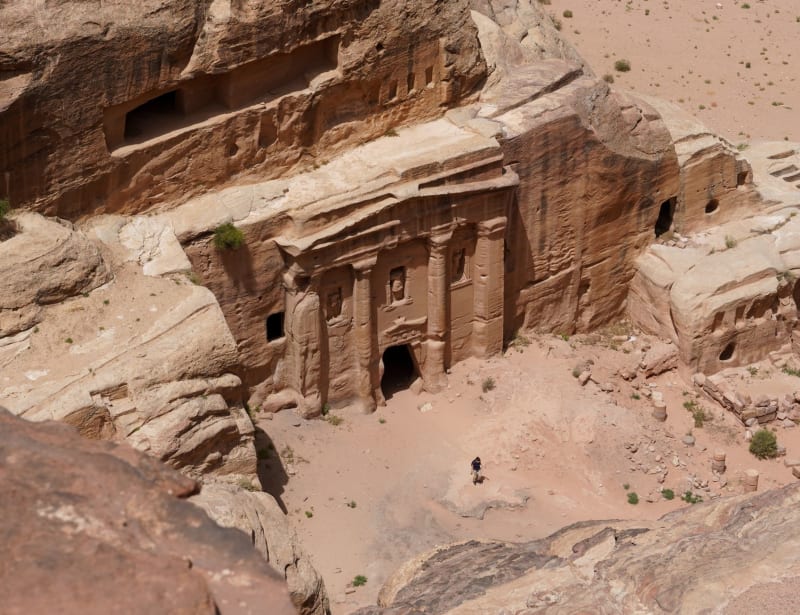 nabataean-desert
 Wadi Musa
The Jordanian town at Petra's gate where the welcome is warmer, the food is better, and the real southern Jordan begins.
Explore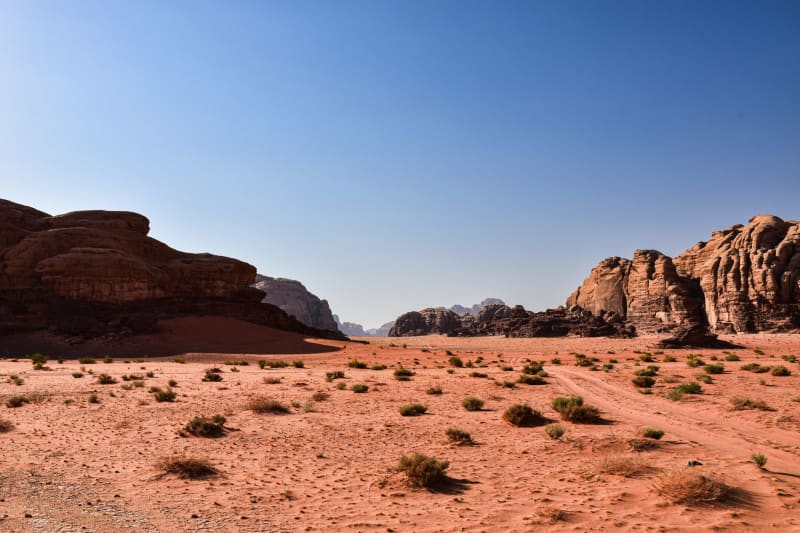 nabataean-desert
 Wadi Rum
A red-sand desert of biblical scale where silence has weight and the rock formations make you doubt your sense of distance.
Explore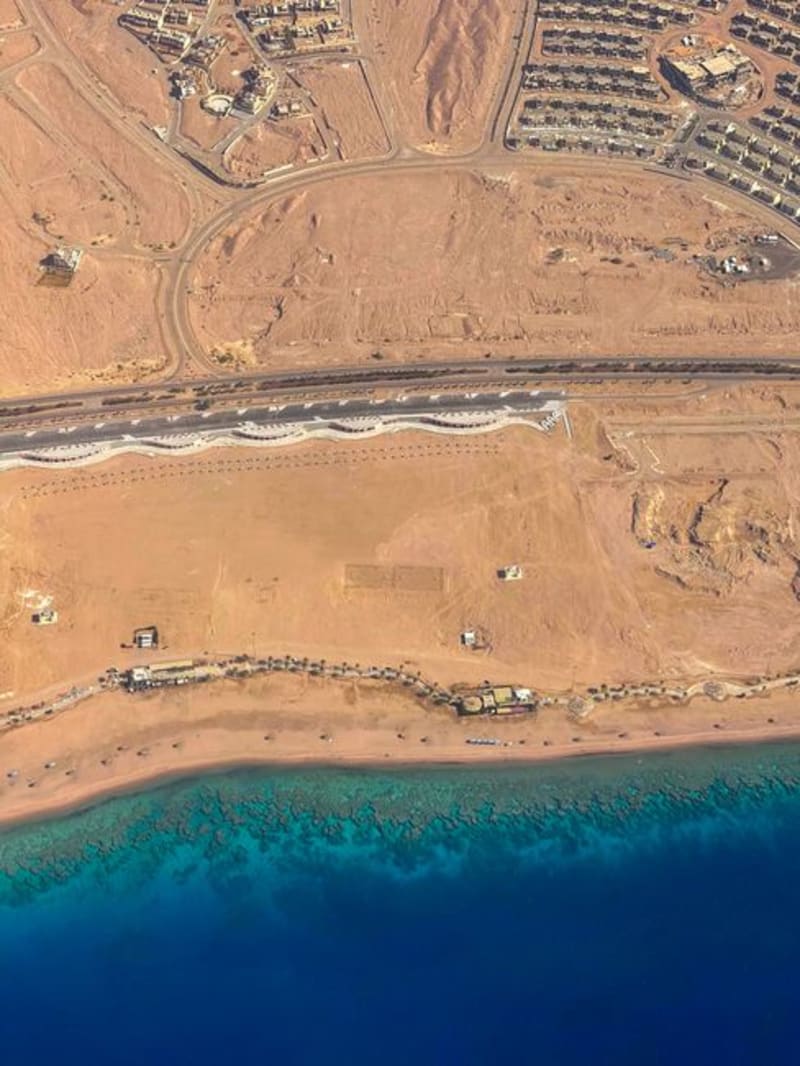 nabataean-desert
 Aqaba
Jordan's one window onto the sea, a Red Sea port town where Nabataean traders once unloaded incense and where I unloaded three days of desert dust into the reef instead.
Explore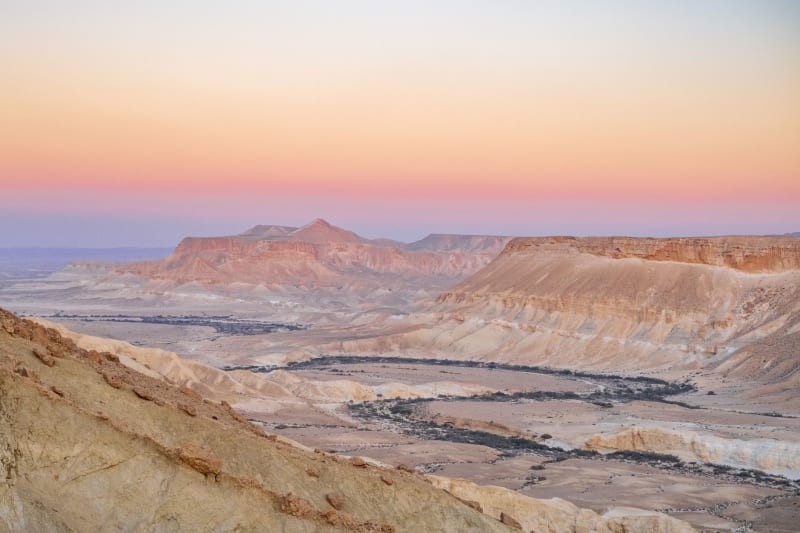 nabataean-desert
 Avdat — Negev Desert
A Nabataean city on a Negev hilltop that reveals how far this desert empire stretched its water-engineering genius.
Explore nabataean-desert
 Beidha Neolithic Village
A 9,000-year-old village of round stone houses tucked beside Little Petra, older than writing, older than pottery, older than nearly everything else this region is famous for.
Explore