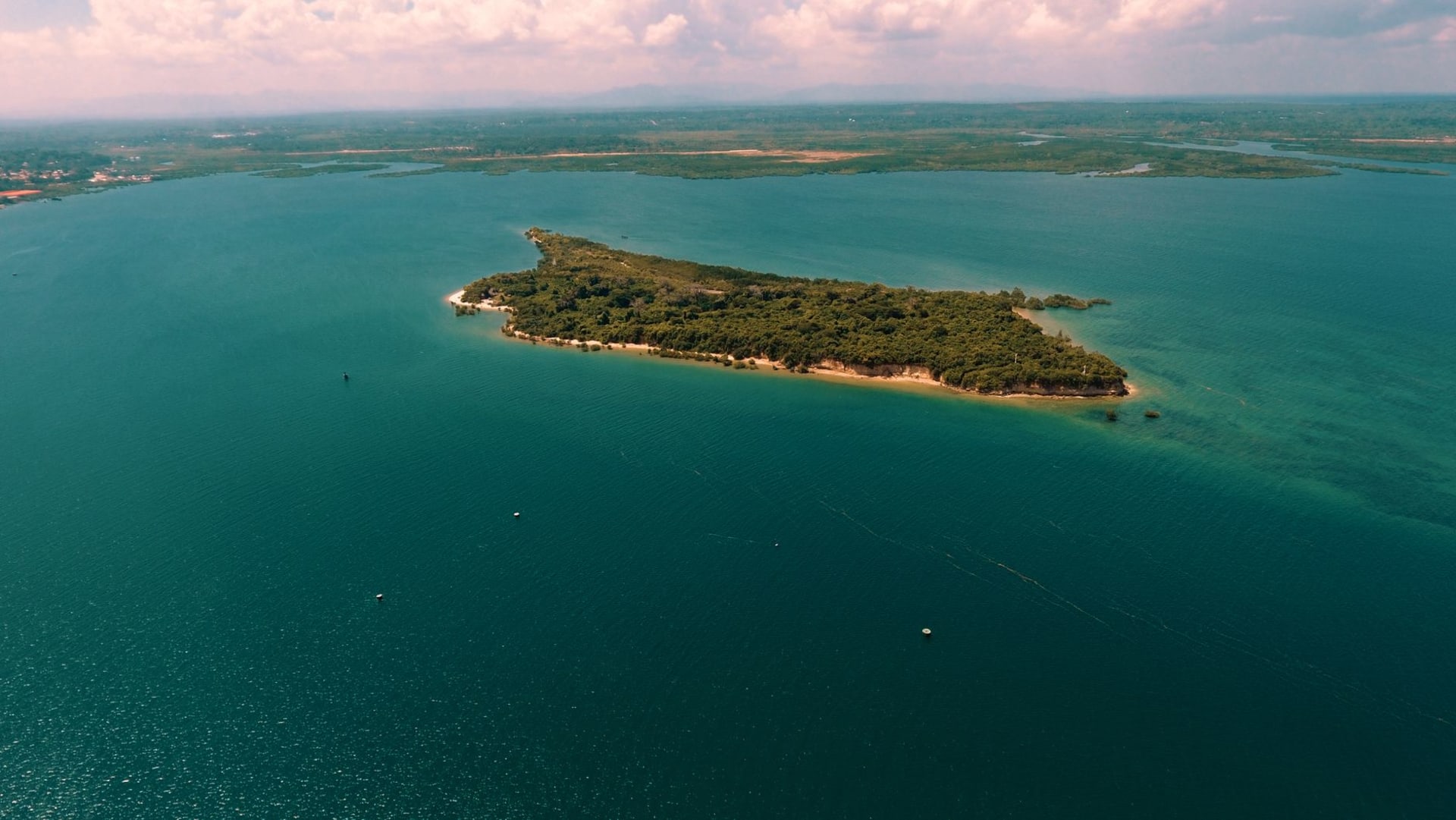
Quirimbas Archipelago
"The reef here has never appeared on a dive map. That is exactly the point."
We left Pemba before sunrise on a dhow, the sail going up as the sky shifted from black to indigo to that brief violet moment that doesn’t photograph well and that I’ve stopped trying to capture. The skipper knew these waters by feel — the sandbanks, the current patterns, the channels between islands — and navigated without a chart, which I found either alarming or reassuring depending on the hour. By the time the sun was fully up we were moving through the outer islands of the Quirimbas Archipelago, thirty-two coral islands strung along the coast for two hundred kilometers, and the world had grown very quiet in a way that had nothing to do with the absence of sound.
The northern Quirimbas reef is what happens when a marine ecosystem is left largely alone for several decades — not through policy, but through inaccessibility and the disincentives of Mozambique’s complicated recent history. The coral coverage here is genuine and varied in the way that reefs closer to dive tourism circuits often aren’t. I went underwater on the third morning with a local guide named João, who had been diving since he was fifteen and had a methodology for finding things: slow, patient, near the bottom, paying attention to what the fish were paying attention to. We found a guitar shark resting on the sand in twenty meters of water. We found lionfish in the reef crevices, unhurried and baroque. The visibility was forty meters.

The Swahili culture of the archipelago is as compelling as the reef, and most dive-focused visitors miss it entirely. The fishing villages on the larger islands are built of coral rag — blocks of raised reef stone mortared with sand and lime — a construction method that arrived from the Arab trading world eight centuries ago and persists here because it works. The houses have carved wooden doorways in the Zanzibar tradition, small interior courtyards, and the smell of drying fish hanging over everything. At prayer time the call carries across the water between islands in a way that seems to navigate its own geography.

The trading history of these islands is long and layered — Arab merchants, Portuguese colonial administrators, Mozambican fishing families who have held the sea knowledge across generations. Ibo Island, at the southern end of the national park, holds the most visible physical record of that history in its Portuguese forts, but the culture you encounter throughout the archipelago is fundamentally Swahili: the language, the boat designs, the food (coconut, chili, crab, dried fish), the orientation toward the sea and the tide rather than the interior. I ate at a family’s courtyard table one evening — rice with a sauce of dried shrimp and coconut milk so deeply flavored it tasted like a reduction of the ocean itself — and felt with some confidence that I had eaten the thing this place had been serving for centuries.
When to go: May through October for calm seas and maximum visibility both above and below the water. July and August are peak months but the archipelago never feels crowded — the logistics alone ensure that. Avoid November through April when the northeast monsoon brings rough seas and makes dhow navigation between islands unpredictable.