Bozeman
"The Gallatin Canyon doesn't care how many tech transplants have moved to Bozeman — the river is the same river it always was."
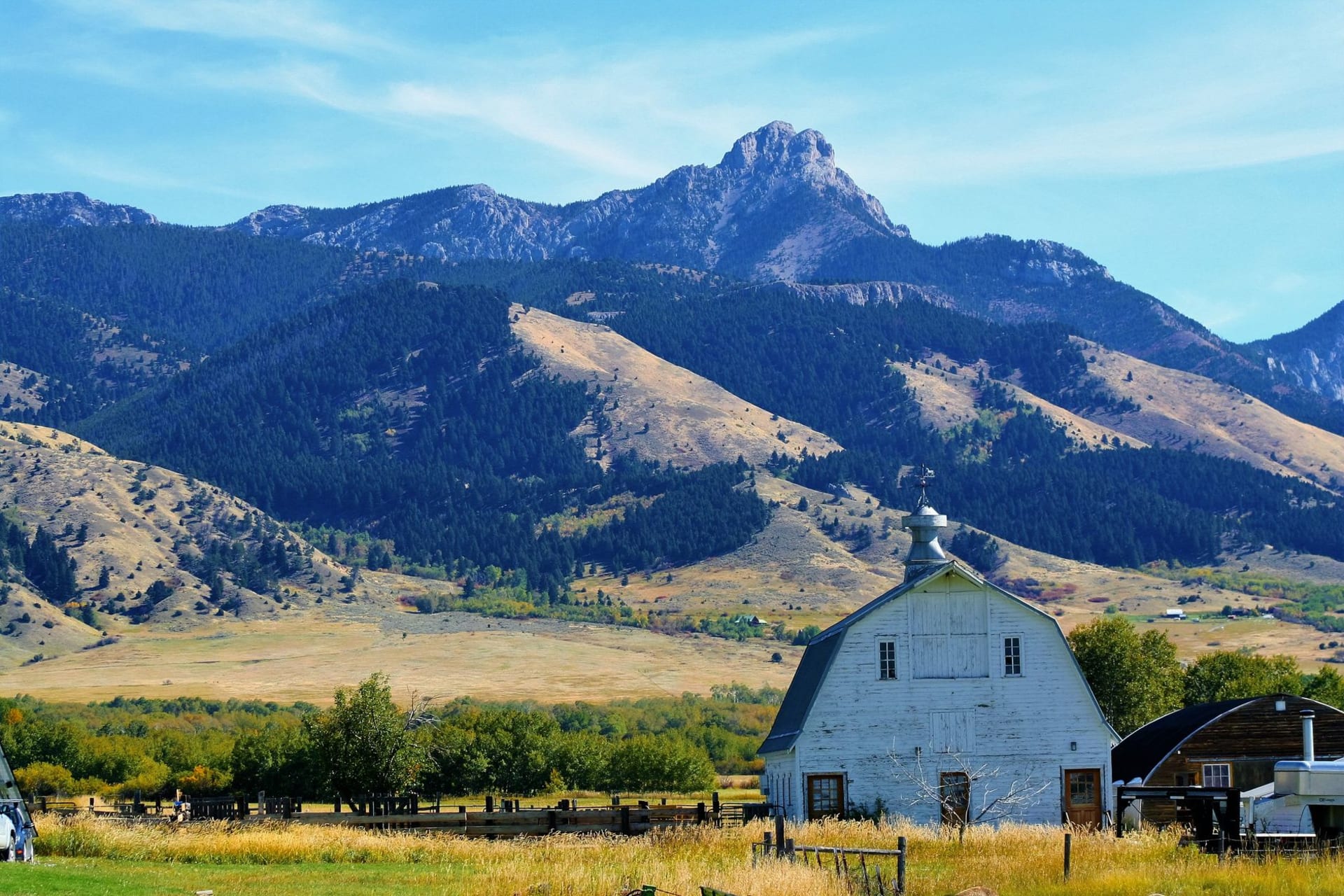
I drove into Bozeman from the north on a Tuesday morning in early October and the Bridger Mountains were already wearing a dusting of new snow on their upper ridges. The town comes at you suddenly after a long stretch of high plains — the blocky grain of Main Street’s historic brick, the mountains appearing behind it like a backdrop someone hung overnight. The elevation here is 1,463 meters, and on clear mornings the air has a quality that makes everything look slightly more vivid than you expected.
Bozeman is in the middle of a complicated evolution. The Montana State University student population keeps the food and coffee scene honest — there are good tacos, the pizza at the place on Babcock Street is the serious kind with wood smoke, and the coffee roasters along Main Street are genuinely good. But Silicon Valley money has been pouring in for a decade now, the result of remote work and a collective fantasy about mountain living, and housing prices have hit figures that would make the ranchers who built this town spill their coffee. The tension between old Bozeman and new Bozeman is one of the live questions of the American West right now.

What cannot be changed by money or population growth is the canyon. Gallatin Canyon begins twenty minutes south of downtown and the river immediately drops into a narrow gorge of sedimentary rock, the water running green and fast over rounded boulders. The fly fishing here is the kind that appears in the pages of Norman Maclean — technical, demanding, deeply satisfying if you can manage to read the current correctly, which I rarely can. I rented a rod from a shop in town and spent three hours one morning catching nothing while a guide with a drift boat full of clients from Texas pulled fish after fish not sixty meters away. The canyon is not about being good at fishing. It’s about being in a place where the river has the last word.
The Museum of the Rockies, on the university campus, has one of the finest collections of dinosaur fossils in North America — the work of paleontologist Jack Horner, whose excavations in the Montana badlands reshaped what scientists thought they knew about dinosaur behavior. The T. rex specimens here have the quality of something genuinely frightening, which is the appropriate response to a creature that was the apex predator of the Cretaceous. I spent two hours there and left thinking about scale in a way that the mountains had already primed me for.

Big Sky, forty-five minutes south through the canyon, is one of the largest ski resorts in North America by acreage — over 2,300 hectares of terrain, often uncrowded because it’s not cheap and the mountain doesn’t market itself aggressively. Lone Mountain reaches nearly 3,400 meters and the snow comes early and stays late. But for my money the best skiing near Bozeman is at Bridger Bowl, twelve minutes from downtown, a non-profit ski area with genuinely steep terrain in the “Ridge” section that draws a local crowd of serious skiers who have been navigating it for decades.
When to go: June through August for hiking, rafting, and farmers markets. October for fall color in the canyon and uncrowded trails. December through March for skiing — Big Sky and Bridger Bowl both operate on substantially different vibes and different budgets. Avoid Bozeman during the weeks around MSU graduation (May) and any major football weekend, when the town’s infrastructure buckles.