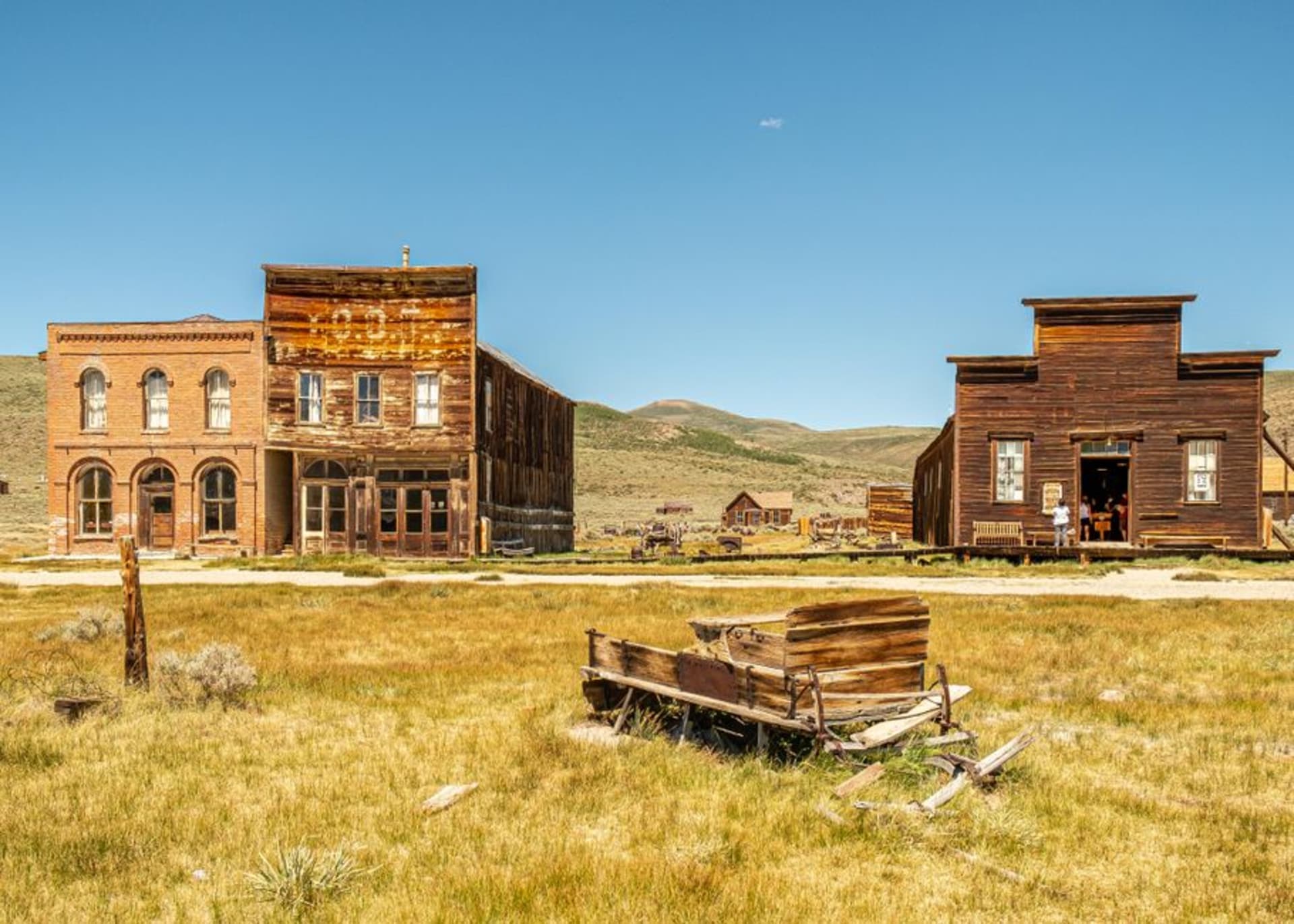
Bannack State Park
"I stood in the doorway of a saloon nobody has poured a drink in for a century, and I swear I could still hear it."
A ghost town of weathered wood and gold-rush ghosts, frozen since Montana's lawless, gold-hungry beginnings.
Lia and I drove into Bannack on a June afternoon with the windows down, and the first thing that struck me wasn’t a building or a sign — it was the silence. No engines, no chatter, just wind moving through Grasshopper Creek’s cottonwoods and the creak of a door somewhere down the row. I’d read that this was Montana Territory’s first capital, for one improbable year in 1864 before Virginia City took the title, but nothing prepares you for actually walking a street that a territorial governor once walked, now empty except for you and the gravel crunching under your boots.
The gold is what built this place, and you feel that history the moment you crouch at the edge of Grasshopper Creek where John White found the first flecks in 1862. Within months the population exploded past 3,000, and by the time we’d wandered through a dozen of the roughly 60 surviving structures — the Hotel Meade, the Masonic Lodge with its second-story schoolroom below — I kept doing the math on how fast a town like this rises and how completely it can be left behind.
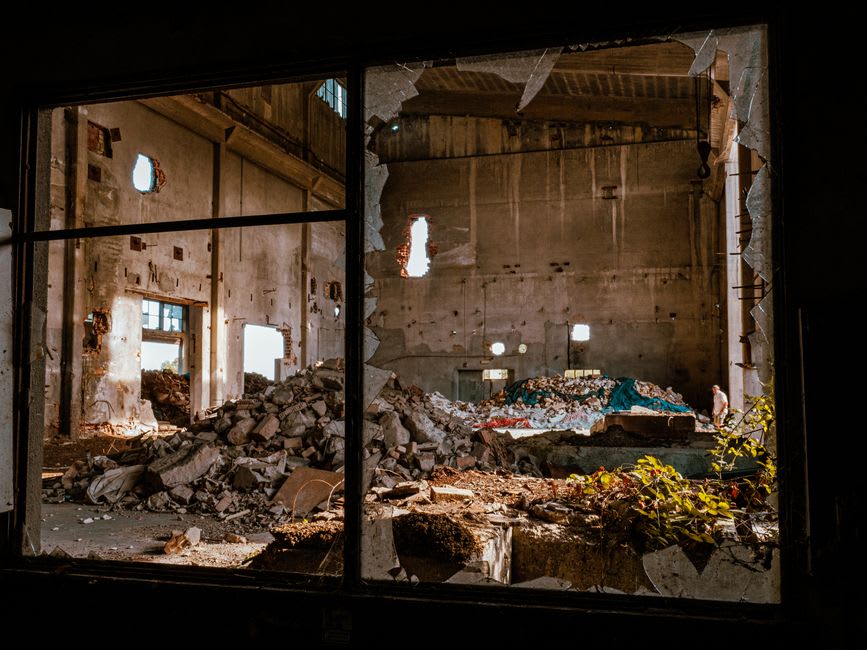
What got me most, though, was the Henry Plummer story. Lia read the plaque aloud while I peered through a warped window: elected sheriff, later hanged by his own vigilantes who accused him of running the outlaw gang he was supposed to be policing. Standing near where the gallows are said to have stood, that particular brand of frontier justice stopped feeling like a movie trope and started feeling uncomfortably real. We ate our sandwiches sitting on the creek bank afterward, half-listening for footsteps that never came.
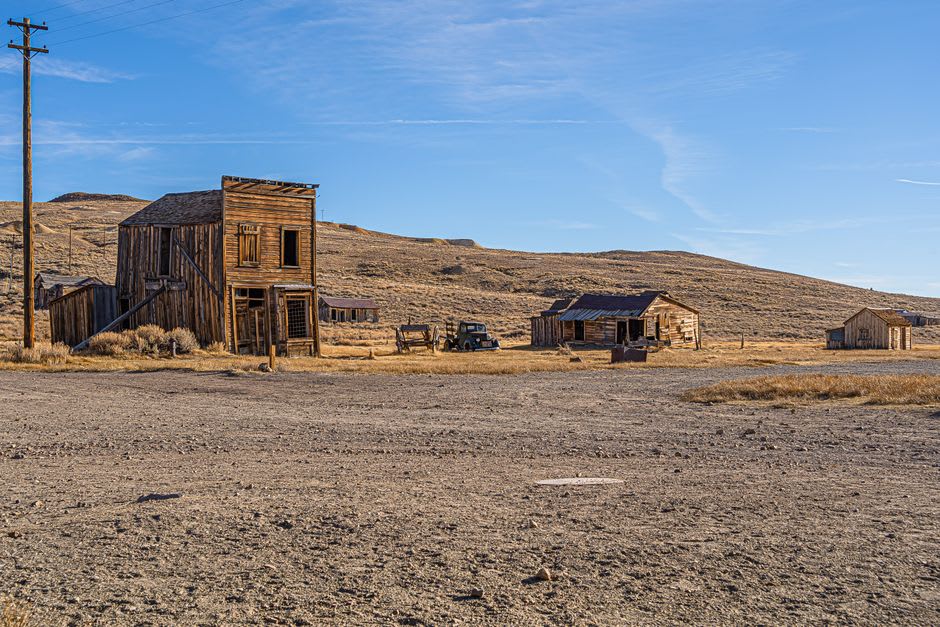
By the time the light went gold and long across the false-front buildings, I understood why this whole town earned National Historic Landmark status back in 1961 — it isn’t a reconstruction, it’s the actual thing, sagging and sun-bleached and honest about its age. We left dusty, a little sunburned, and strangely quiet in the car, the kind of quiet that only comes after walking through somewhere that used to be full of noise.
When to go: Aim for May through September — that’s when Bannack’s buildings and trails are fully open, the creek is running, and you can spend a whole unhurried day wandering the town without fighting the Montana winter.
Keep exploring
More from Montana
 montana
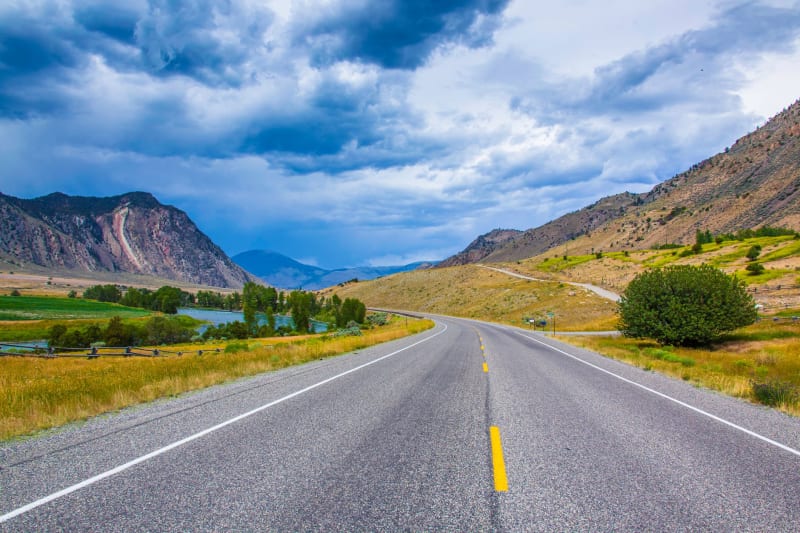
 Beartooth Highway
Charles Kuralt called it the most beautiful drive in America, and for once the superlative doesn't embarrass itself.
Explore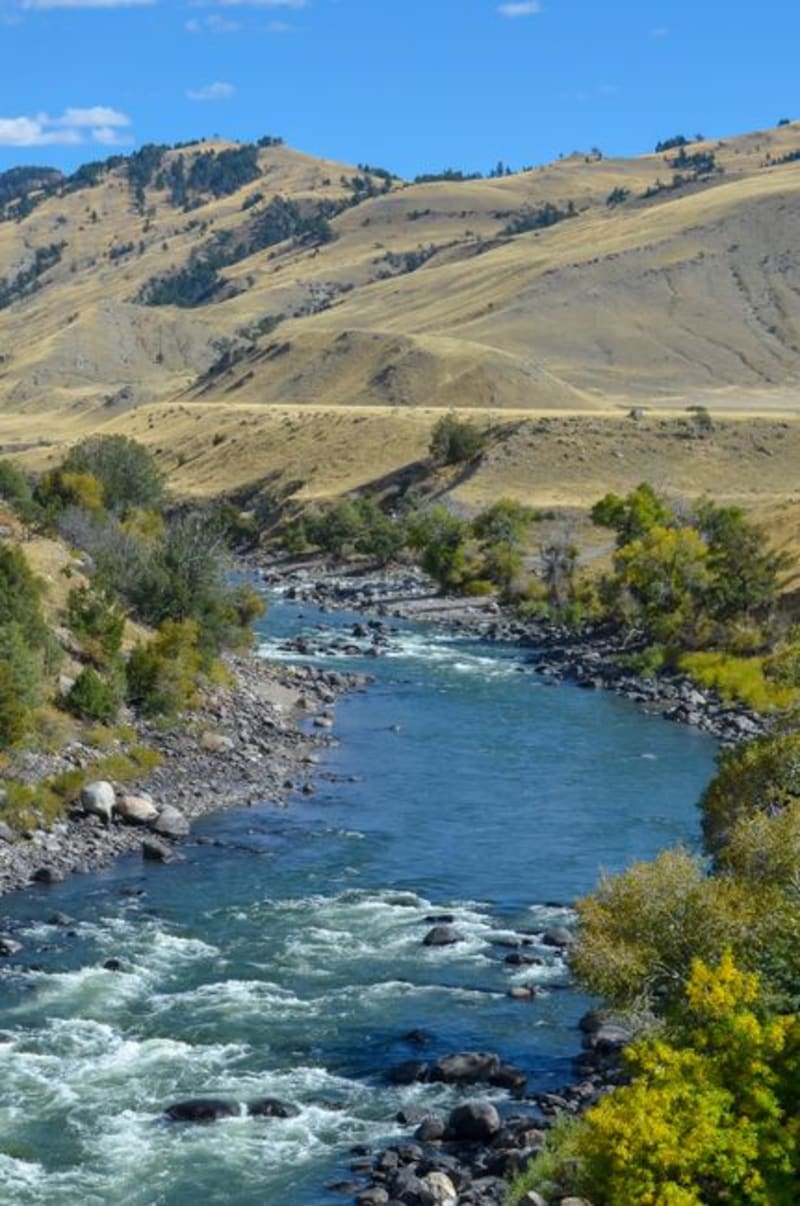 montana
 Big Hole National Battlefield
A quiet valley in southwestern Montana where grass and wind now cover the ground of one of the Nez Perce War's deadliest mornings.
Explore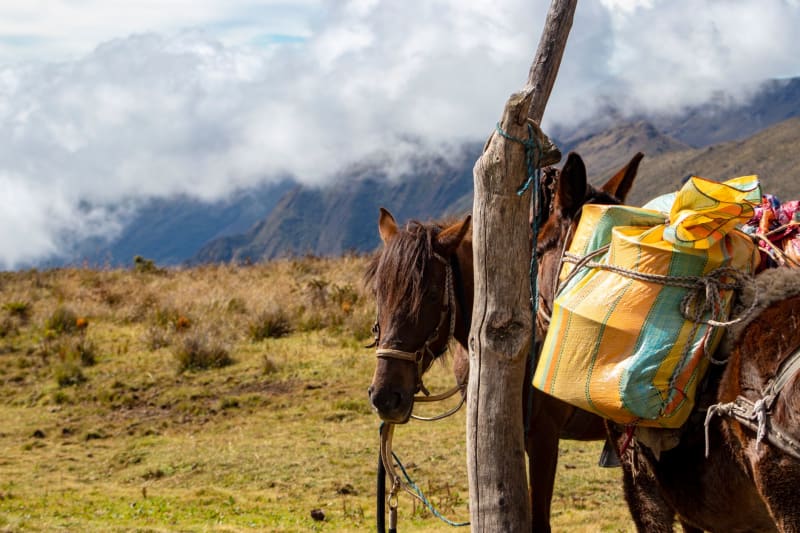 montana
 Bob Marshall Wilderness
Over a million acres with no roads at all — the largest roadless wilderness in the contiguous United States, where you go in on horseback or on foot.
Explore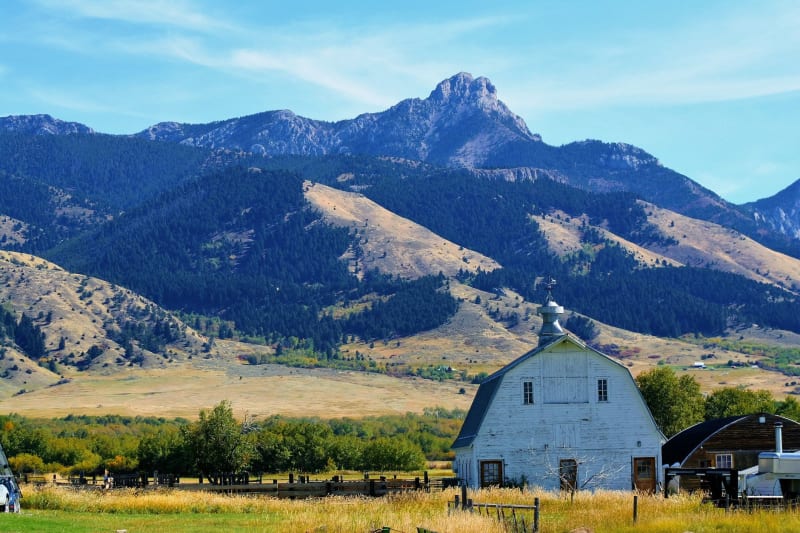 montana
 Bozeman
A mountain town growing fast enough to alarm its longtime residents but still with the Gallatin River running cold and clear through its canyon.
Explore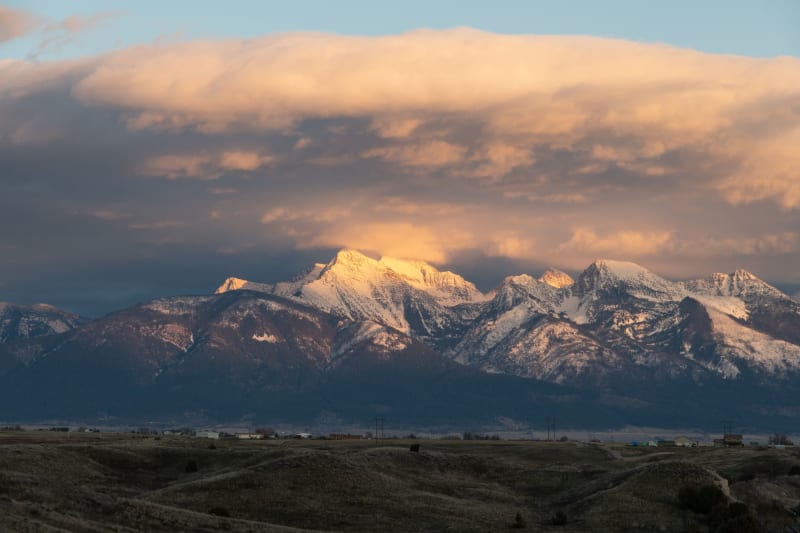 montana
 Browning
The heart of Blackfeet Nation on the high plains east of Glacier, where the history most tourists miss begins to come into focus.
Explore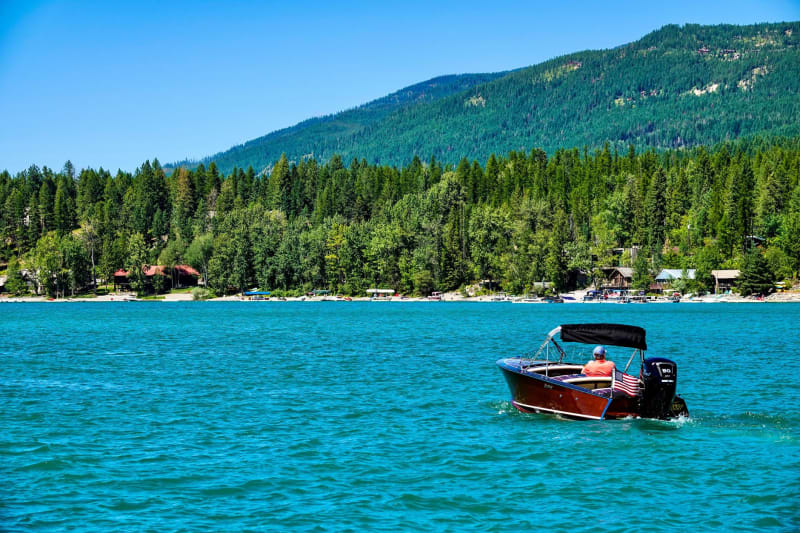 montana
 Flathead Lake
The largest natural freshwater lake west of the Mississippi, cold and clear enough to read the bottom at thirty feet, ringed by cherry orchards and mountains.
Explore