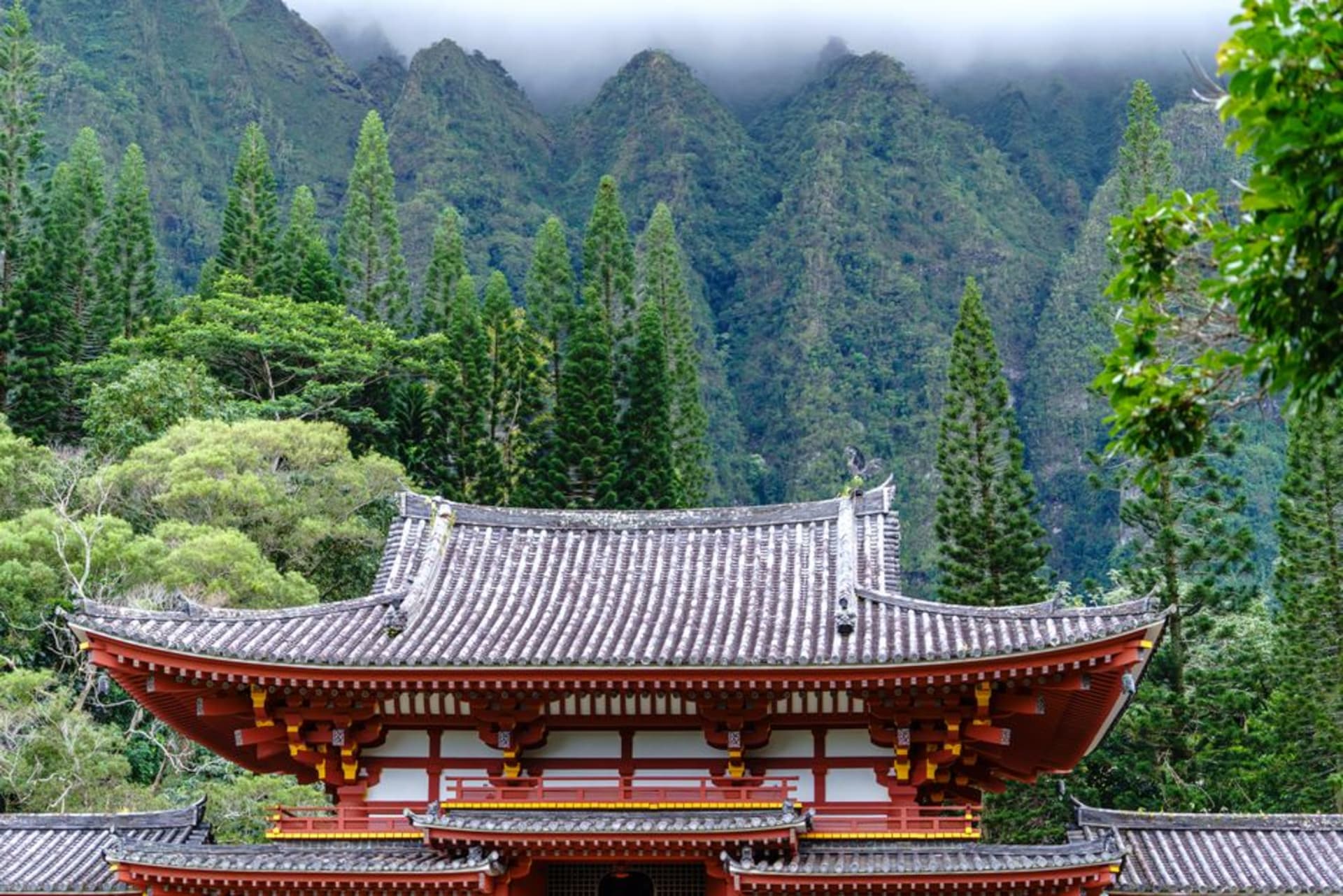
Manzushir Monastery
"I found a boulder with a footprint carved into it larger than my whole body. My guide said it belonged to a Buddha. I didn't argue."
A ruined mountainside temple complex an hour from Ulaanbaatar, half-swallowed by pine forest, with a museum, a giant granite footprint, and enough silence to make the capital feel imaginary.
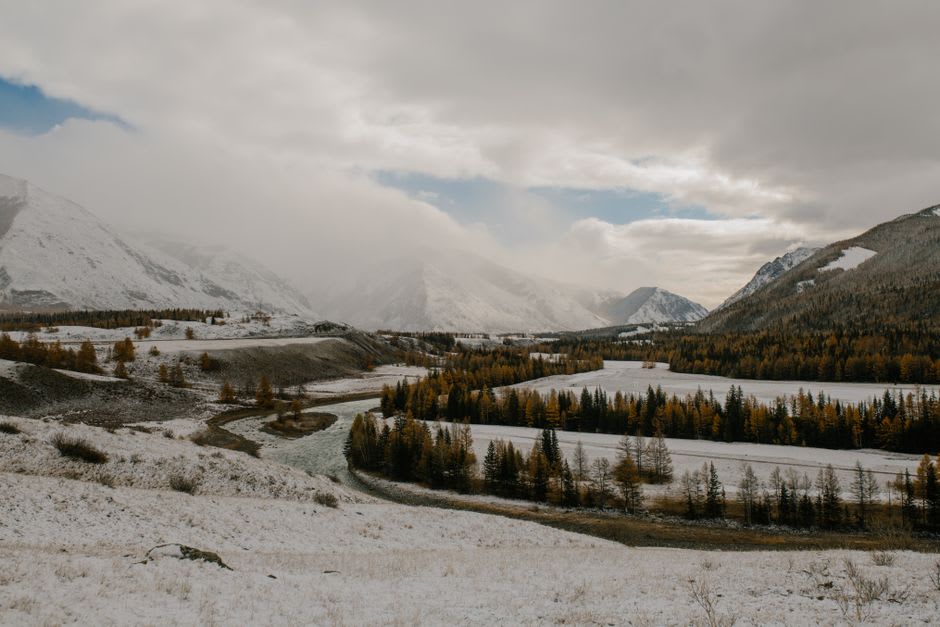
Manzushir sits on the northern slope of Bogd Khan Mountain, one of the oldest protected natural areas in the world, designated a sacred and off-limits zone by Mongolian rulers as early as the eighteenth century, and reachable in under two hours from central Ulaanbaatar — close enough for a half-day trip, far enough that the change in atmosphere feels entirely disproportionate to the short drive. I went on a whim on a free afternoon in the capital, expecting a minor detour, and ended up staying until the light went, walking the ruins and the forest paths above them longer than I’d planned.
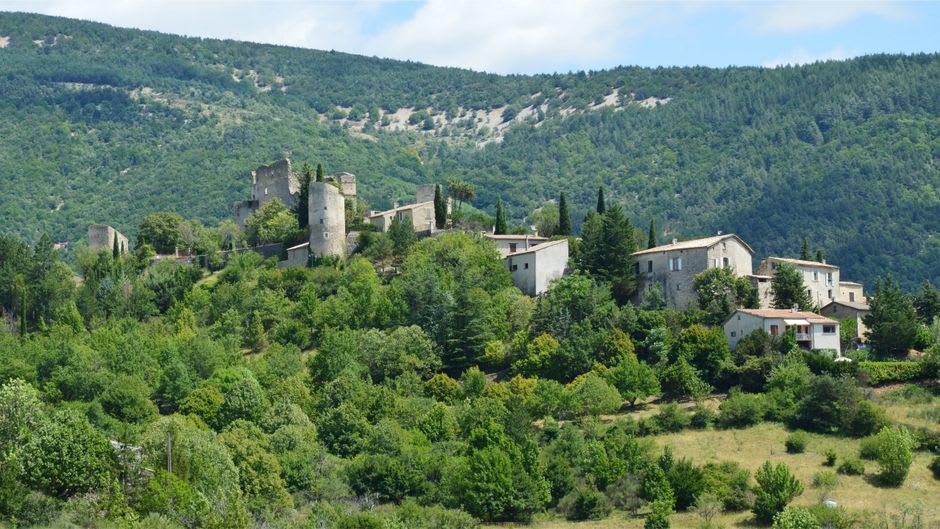
The monastery once housed several hundred monks across some twenty temple buildings, one of the significant religious centers in the region before the 1930s purges reduced it to the single restored temple and scattered stone foundations that remain today. Walking among the ruins has a different texture than a site like Ongi — here the surrounding pine forest has moved in aggressively, trees growing directly out of collapsed foundations, moss covering fallen stone, so that the destruction reads less as a historical wound freshly inflicted and more as something the forest has spent decades quietly absorbing.
The single restored temple building now functions as a small museum, housing musical instruments, ceremonial masks, and religious artifacts recovered or reconstructed after the purge, along with a somewhat startling display of instruments made from human bone — thighbone trumpets and skull-cap drums used in specific tantric ceremonies, displayed with a matter-of-fact museum labeling that undercuts what might otherwise feel like a shock. My guide, an older man who’d worked at the site for years, walked me through the collection with practiced patience, clearly used to visitors needing a moment to recalibrate around the bone instruments before moving on to the rest of the exhibit.
Above the main ruins, a trail climbs through increasingly dense pine forest to a massive granite boulder bearing what local tradition identifies as the footprint of a Buddha — a natural depression in the rock, considerably enlarged by centuries of veneration and probably some amount of deliberate carving, now a minor pilgrimage point in its own right with prayer flags strung from the surrounding trees. The climb rewards you regardless of what you make of the footprint claim: a clear view back down over the ruined monastery complex and, further out, the hazy outline of Ulaanbaatar’s tower blocks on the horizon, an odd reminder of how close the capital actually is.
I left in the early evening with the specific, slightly melancholy satisfaction of a place that gives you both real history and real quiet within arm’s reach of a capital city, without asking you to travel for days to get either.
When to go: Year-round as a half-day or full-day trip from Ulaanbaatar; the forest is at its most vivid in early autumn, and summer offers the most comfortable hiking conditions on the trail above the ruins.