Khogno Khan Uul
"It's the kind of mountain that seems to gather every kind of Mongolian landscape at once — rock, ruin, sand, and grass — as if the country wanted one stop to summarize itself."
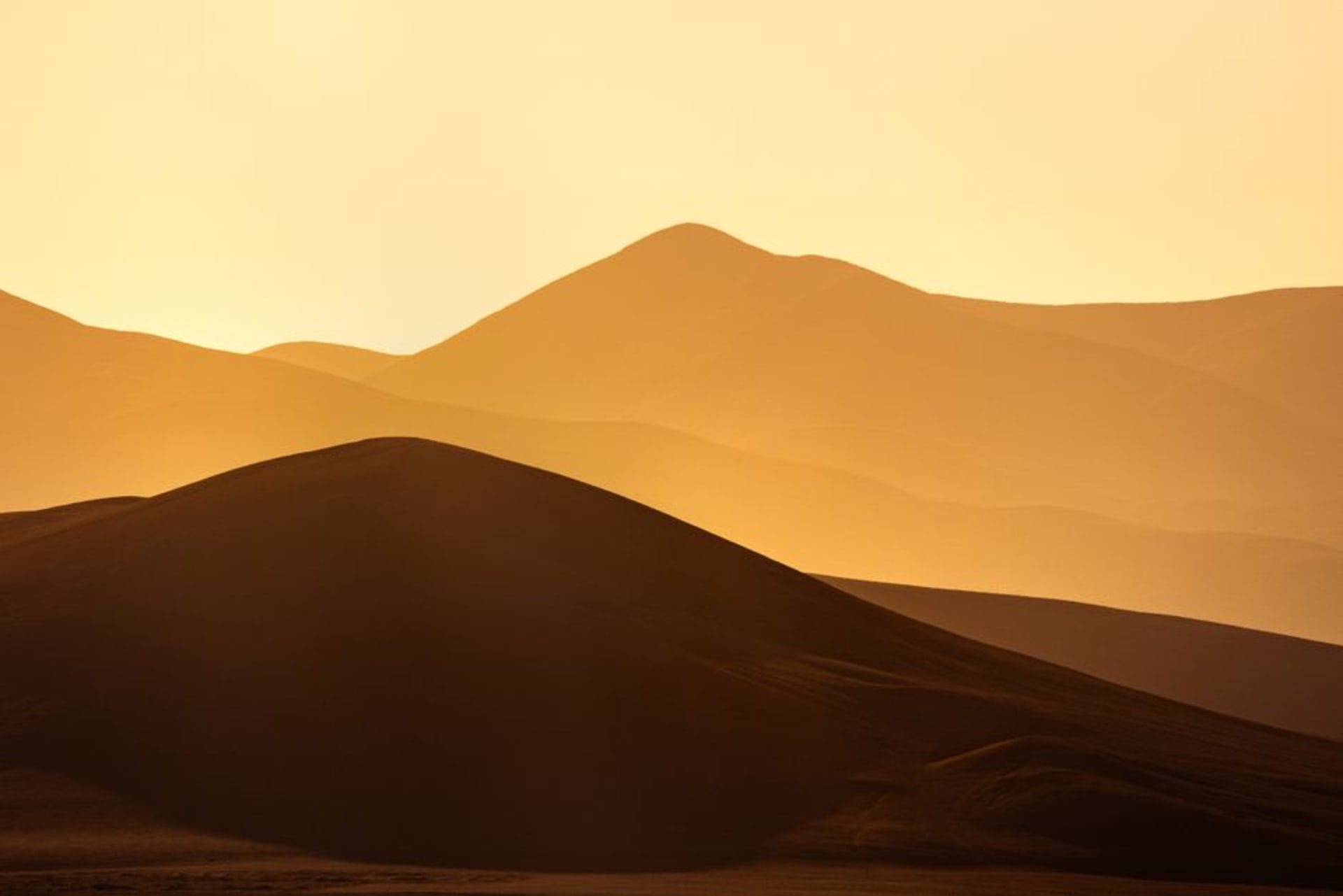
A sacred granite mountain between the capital and the Gobi, with a ruined monastery on its slopes and a small dune field at its base that feels like a preview of the desert still to come.
Khogno Khan Uul sits roughly midway between Ulaanbaatar and Karakorum, a granite massif rising abruptly out of the surrounding steppe in Bulgan district, and it functions as one of those quietly efficient stops that rewards travelers heading toward the Gobi or the Orkhon Valley without requiring any real detour from the main road. I stopped originally just to stretch my legs on a long drive and ended up staying the better part of a day, drawn in first by the mountain’s odd, sudden verticality against the flat grassland and then by the monastery ruins scattered across its lower slopes.
Övgön Khiid, the monastery, was built in the seventeenth century into a natural fold of the mountain’s granite, using the rock formations themselves as part of the temple structure in a way that made the destruction of the 1930s purges feel, walking through it, slightly less absolute than at other ruined sites — the granite walls that formed part of the original construction are simply still there, unmovable regardless of what happened to everything built against them. A single small temple has been reconstructed near the base, home to a handful of resident monks, while the upper ruins remain scattered stone foundations climbing up into narrow granite gullies that require a genuine scramble to properly explore.
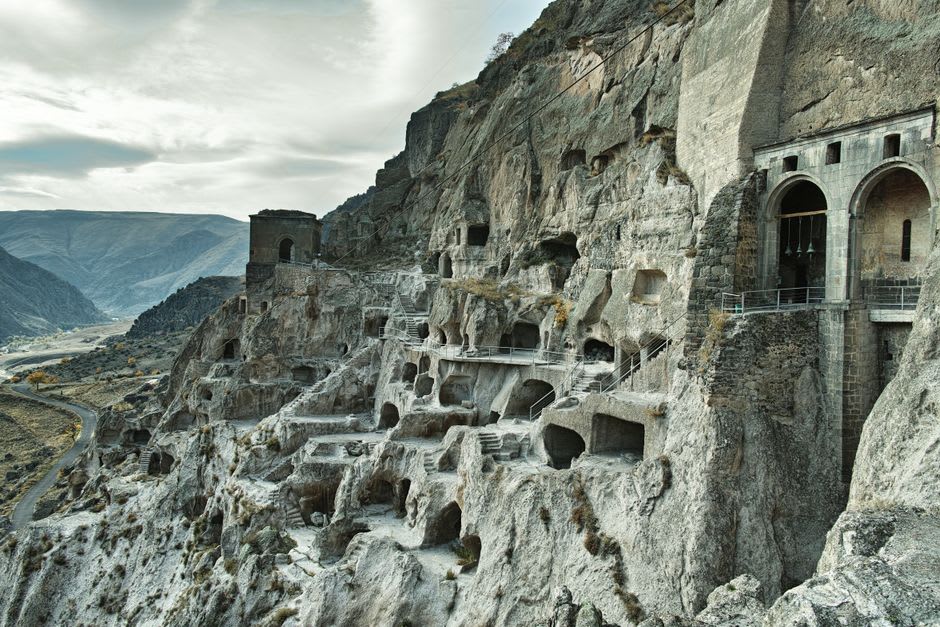
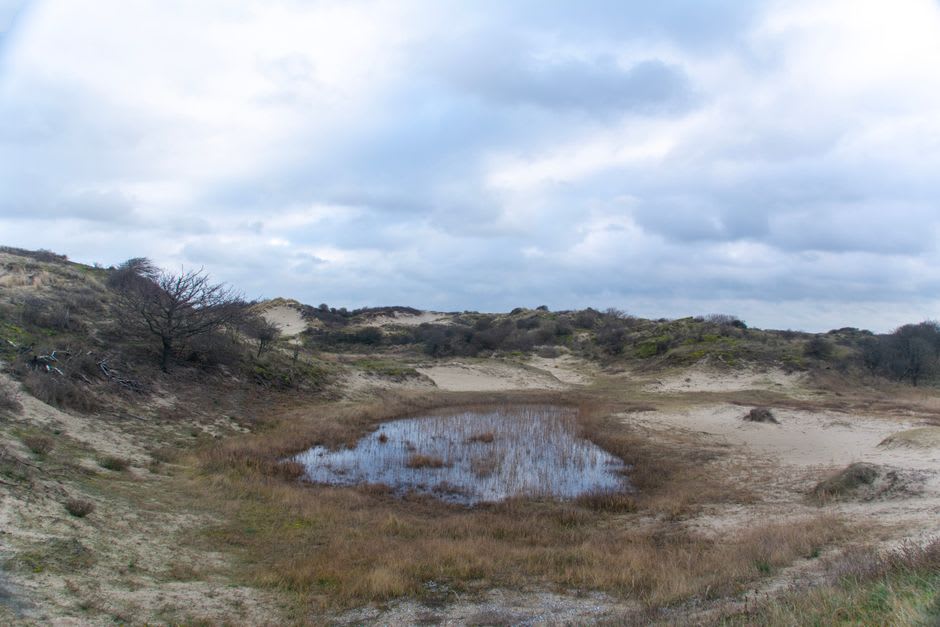
I climbed partway up the mountain in the late morning with a local guide, Bat-Erdene, who pointed out a network of caves used historically by monks for meditation retreats, some still containing faded painted images on their interior walls, protected somewhat by their inaccessibility rather than by any active preservation effort. The climb is steep in sections, requiring hands as much as feet on the granite, and the views from partway up open out over the full sweep of the district — steppe grassland running in one direction, and, unexpectedly, a modest field of sand dunes settled at the mountain’s base in the other, a small preview of the true Gobi dunes that lay still further south on my route.
That dune field, called Mongol Els by some locals though distinct from the better-known dune field of the same name nearer Ulaanbaatar, offered a pleasant surprise at the end of the climb down — camels grazing at its edge, a scattering of ger camps offering basic accommodation, and a sunset that lit the sand a deep gold against the darkening granite of the mountain behind it. Bat-Erdene told me the combination of sacred mountain, ruined monastery, and dune field made Khogno Khan a popular stop for Mongolian families on domestic road trips, a genuinely local rather than foreign-tourist-driven site, evidenced by the extended families I saw picnicking near the dunes as the light dropped.
Khogno Khan packs an unusual amount of Mongolia’s core landscape vocabulary — granite mountain, ruined monastery, sand dune, open steppe — into a single accessible stop, and it remains one of the more efficient single-day detours I made in the whole country.
When to go: May through September for comfortable climbing conditions and accessible dune camps at the base. Late afternoon light is best for both the ruins and the dunes, so plan to arrive with several hours of daylight still ahead.
Keep exploring
More from Mongolia
 mongolia
 Khongoryn Els
The singing sand dunes of the Gobi, a wall of mountainous sand that rises three hundred metres straight out of the gravel desert and groans like a distant engine when the wind moves it.
Explore mongolia
 Khovd
A river town at the crossroads of western Mongolia's ethnic patchwork, where Kazakh, Torguud, and Uriankhai communities share a market and a mountain skyline.
Explore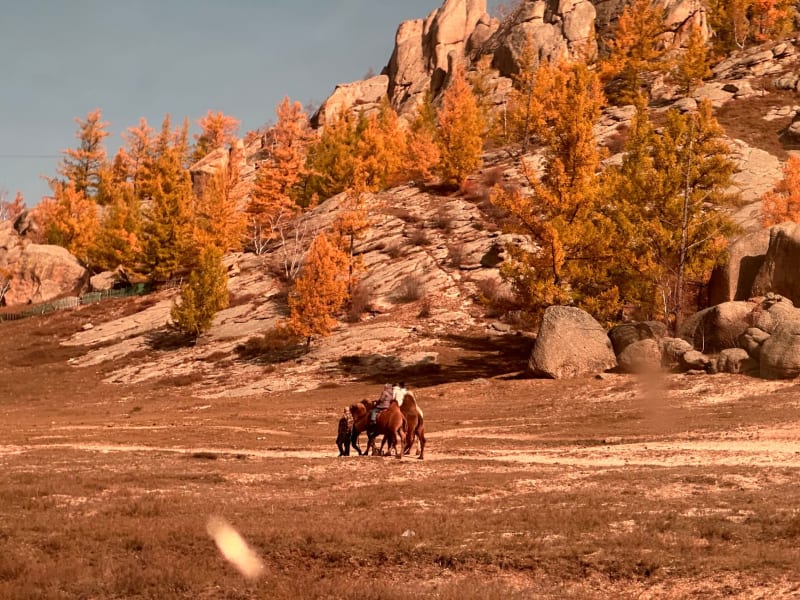 mongolia
 Khustai National Park
Where the world's last truly wild horse was brought back from extinction, running free across river valleys it left a century ago.
Explore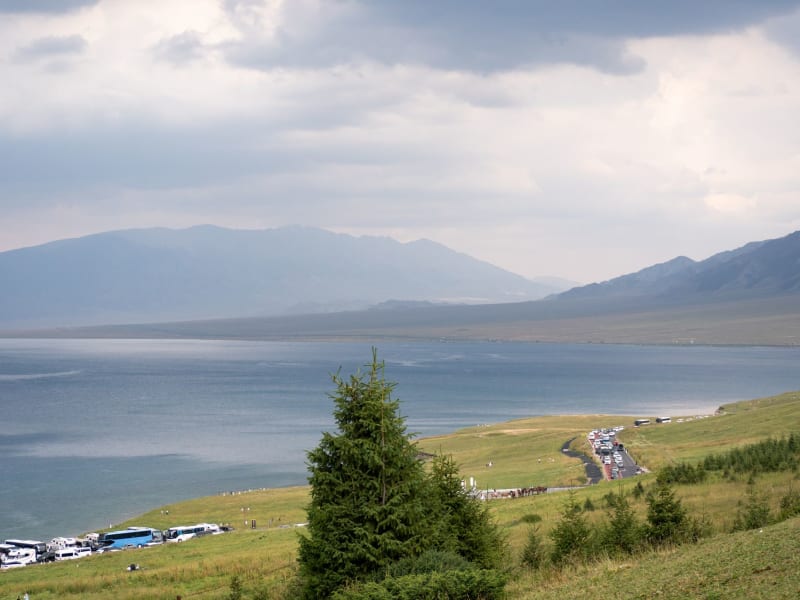 mongolia
 Khövsgöl Lake
Mongolia's deep-north freshwater sea, so clear you can see the bottom at fifteen metres and so cold it slows thought to a useful pace.
Explore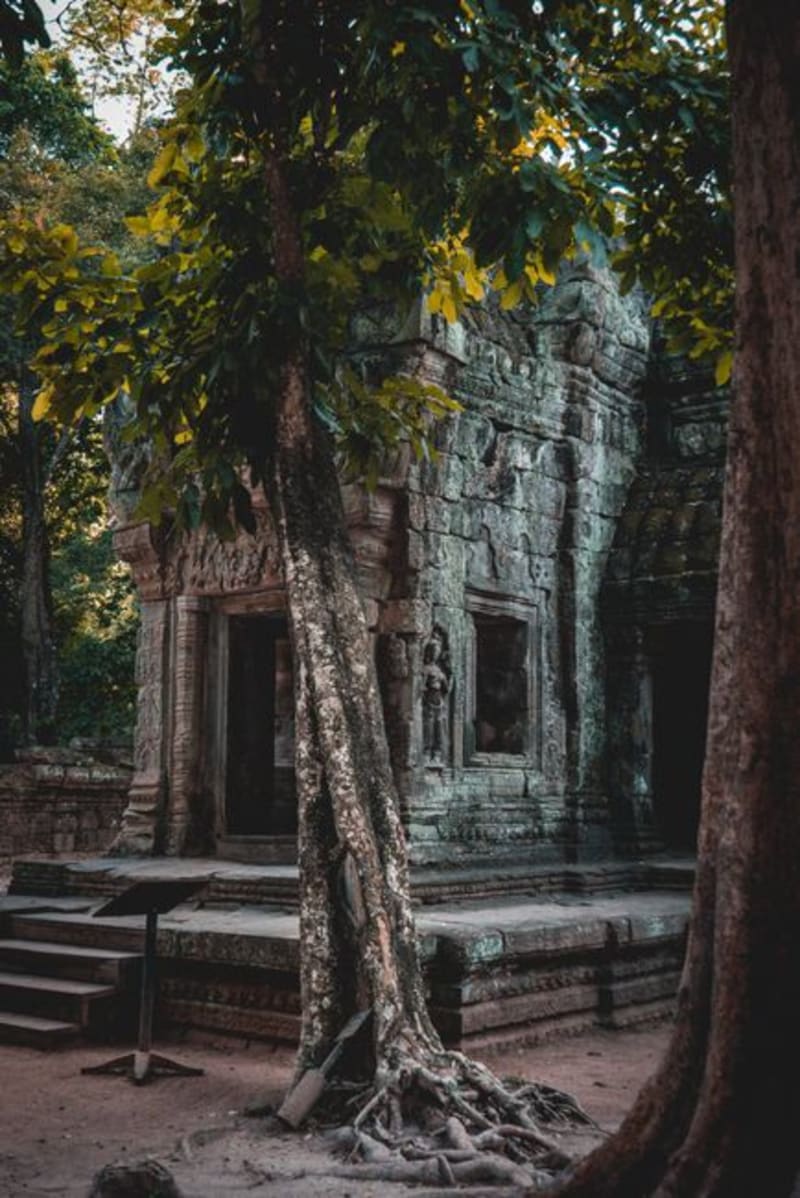 mongolia
 Manzushir Monastery
A ruined mountainside temple complex an hour from Ulaanbaatar, half-swallowed by pine forest, with a museum, a giant granite footprint, and enough silence to make the capital feel imaginary.
Explore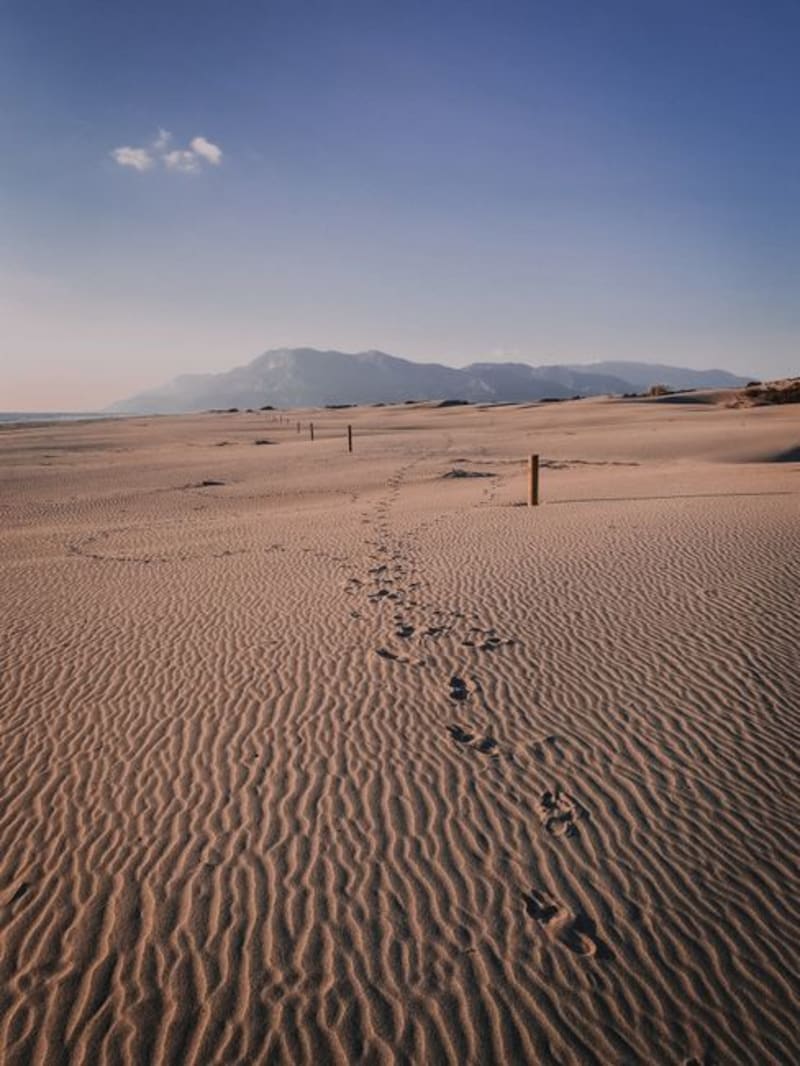 mongolia
 Mongol Els
A ribbon of sand dunes just two hours from the capital, small enough to feel like a rehearsal for the Gobi and close enough to visit on a whim before dinner in Ulaanbaatar.
Explore