Arvaikheer
"I came for a livestock market on a Sunday morning and left understanding more about how Mongolia actually runs than any museum had taught me."
A working provincial capital in central Mongolia where livestock trading defines daily life more than any single monument, and the steppe stretches uninterrupted in every direction.
Arvaikheer is the capital of Uvurkhangai province, sitting on the main route between Ulaanbaatar and the Gobi, and most travelers treat it exactly as a waypoint — a fuel stop, a place to grab a meal before pushing on toward Karakorum or the Orkhon Valley further west. I stopped for two nights on the recommendation of a Mongolian herder I’d met further north, who told me the town’s Sunday livestock market was one of the largest and most authentic in central Mongolia, unfiltered by any tourism infrastructure, and worth seeing if I wanted to understand how the country’s pastoral economy actually functions day to day rather than as a photographed abstraction.
The market lived up to the recommendation. Held on the outskirts of town in a wide dusty lot, it brought in herder families from across the province, trucks and horse trailers loaded with sheep, goats, cattle, and the occasional camel, all traded through a mix of loud negotiation, quiet appraisal, and the kind of practiced haggling that clearly followed rules I wasn’t equipped to fully read. I spent two hours simply watching — a buyer running his hand along a sheep’s back to assess its condition before naming a price, a seller counting cash with the specific unhurried focus of someone who has done this exact transaction hundreds of times, a cluster of older men standing near the cattle pens debating something with real intensity that had nothing to do with the animals directly in front of them.
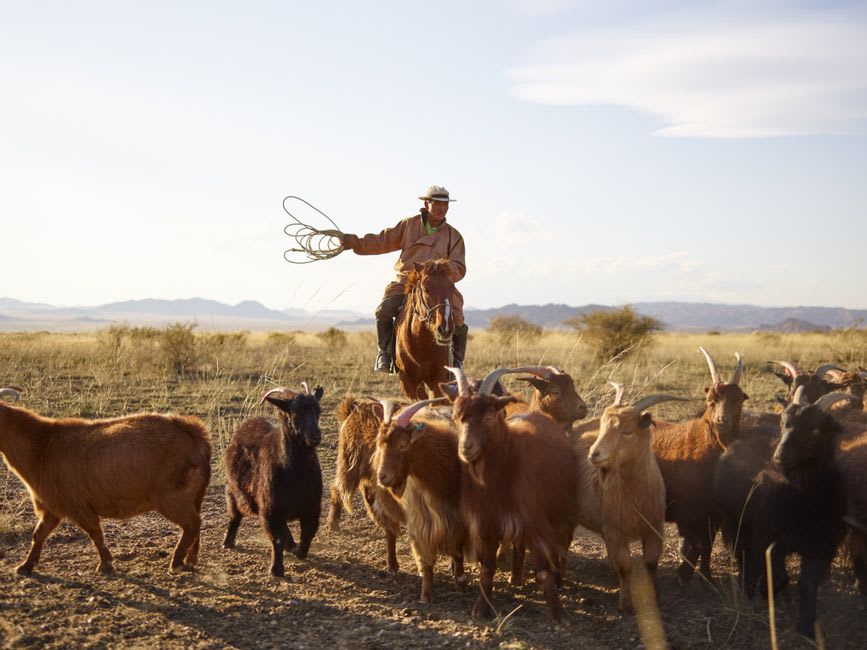
The town itself, away from the market, is unremarkable in the way most provincial capitals built up rapidly in the mid-twentieth century tend to be — a grid of low buildings, a central square with a statue, a scattering of guanz serving the same reliable roster of mutton dishes I’d encountered everywhere else in the country. But its position at the edge of genuinely open steppe gives it a specific visual character: walk two blocks past the last row of buildings in almost any direction and you’re standing in grassland that runs, apparently uninterrupted, to a horizon broken only by the occasional distant ger or grazing herd.
My guesthouse host, a woman who’d moved to Arvaikheer decades earlier from a herding family further south, told me over breakfast that the town’s population swelled noticeably every autumn as families came in to sell livestock before winter, timing sales around weather forecasts and the specific anxieties of a pastoral economy still largely dependent on how brutal the coming cold season looked likely to be. “Everyone here is doing math about winter,” she said, “even in summer.”
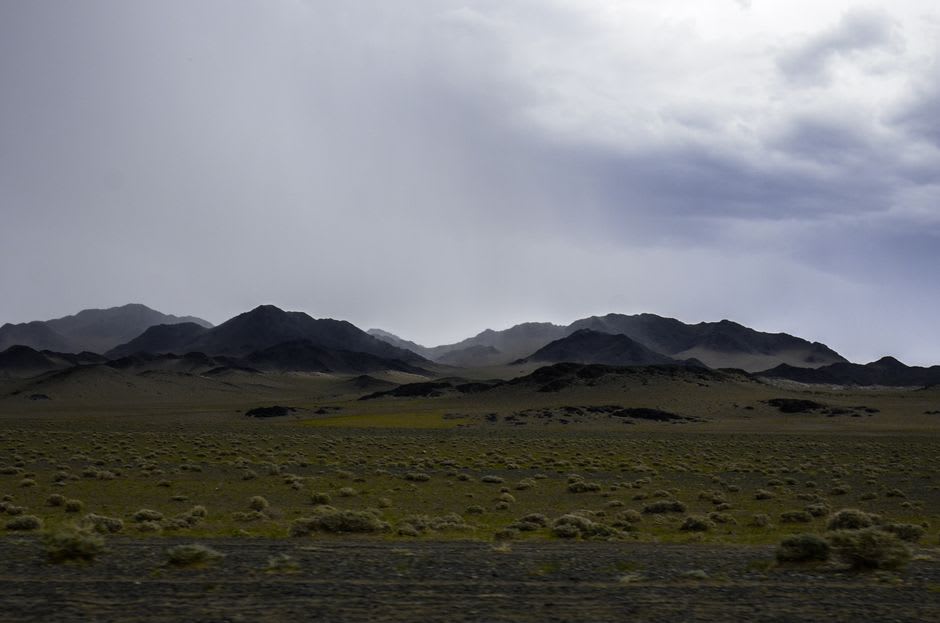
Arvaikheer isn’t a scenic highlight, and nobody would suggest building a trip around it alone. But as a genuine, unpolished window into the economic rhythms that still underpin rural Mongolian life, it offered more insight in a single Sunday morning than most curated cultural experiences I encountered elsewhere.
When to go: Sunday mornings for the livestock market, ideally in early autumn when trading activity peaks ahead of winter. The town works well as an overnight stop en route to the Gobi or Orkhon Valley.
Keep exploring
More from Mongolia
 mongolia
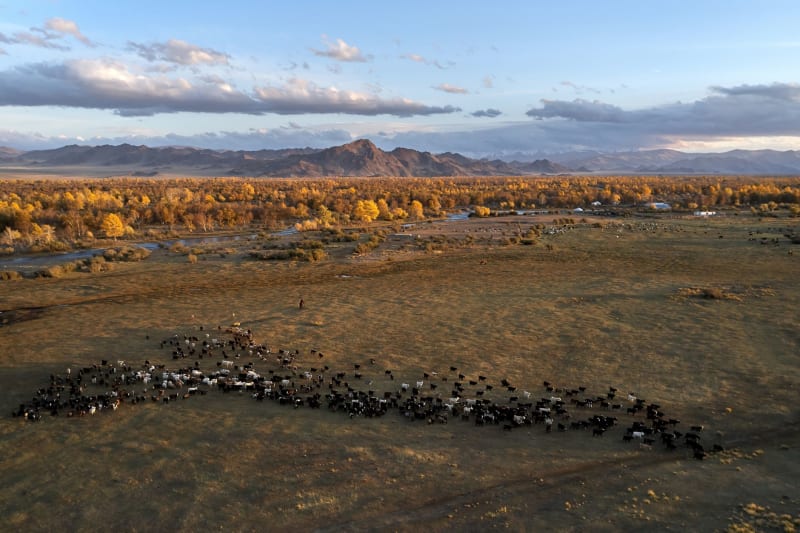
 Bayan-Ölgii
Mongolia's far western province where Kazakh culture, eagle hunting, and snow-capped Altai peaks make you feel you've crossed into a different country entirely.
Explore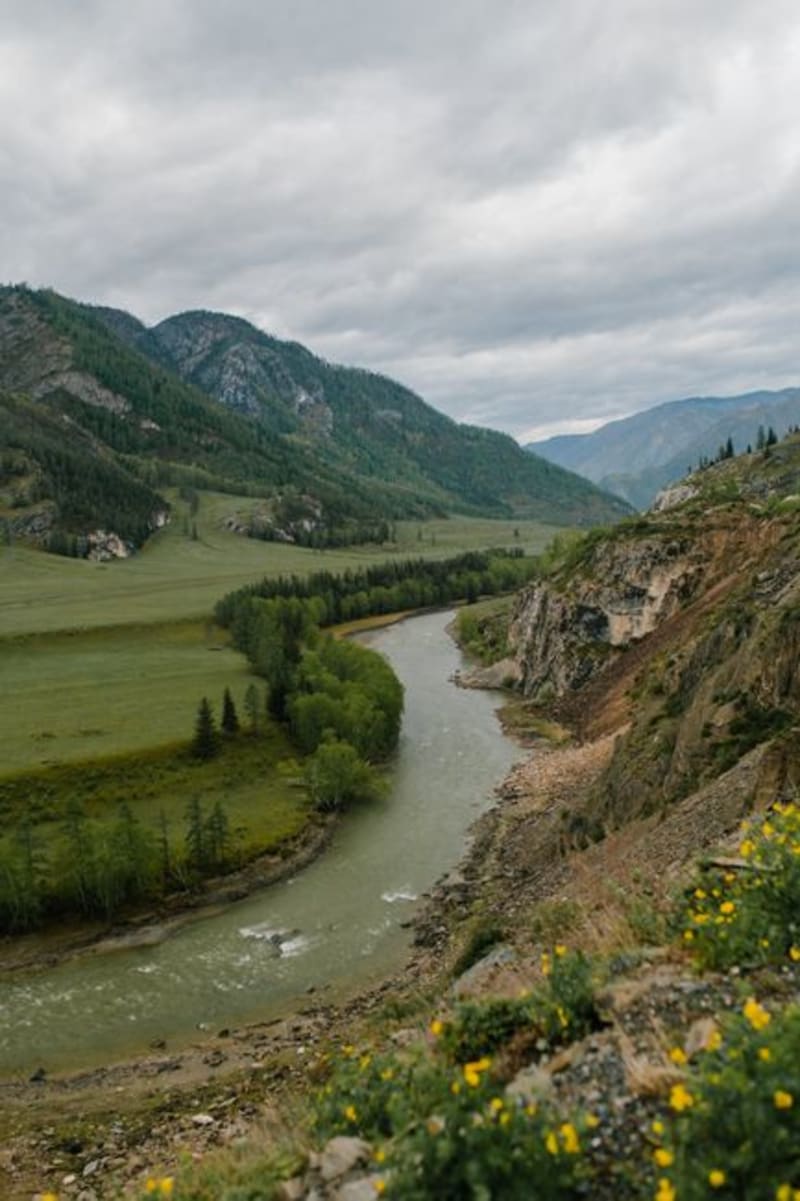 mongolia
 Bulgan
A quiet forested province in Mongolia's north where the steppe gives way to taiga, and a sleepy aimag capital sits on a river nobody outside the region has heard of.
Explore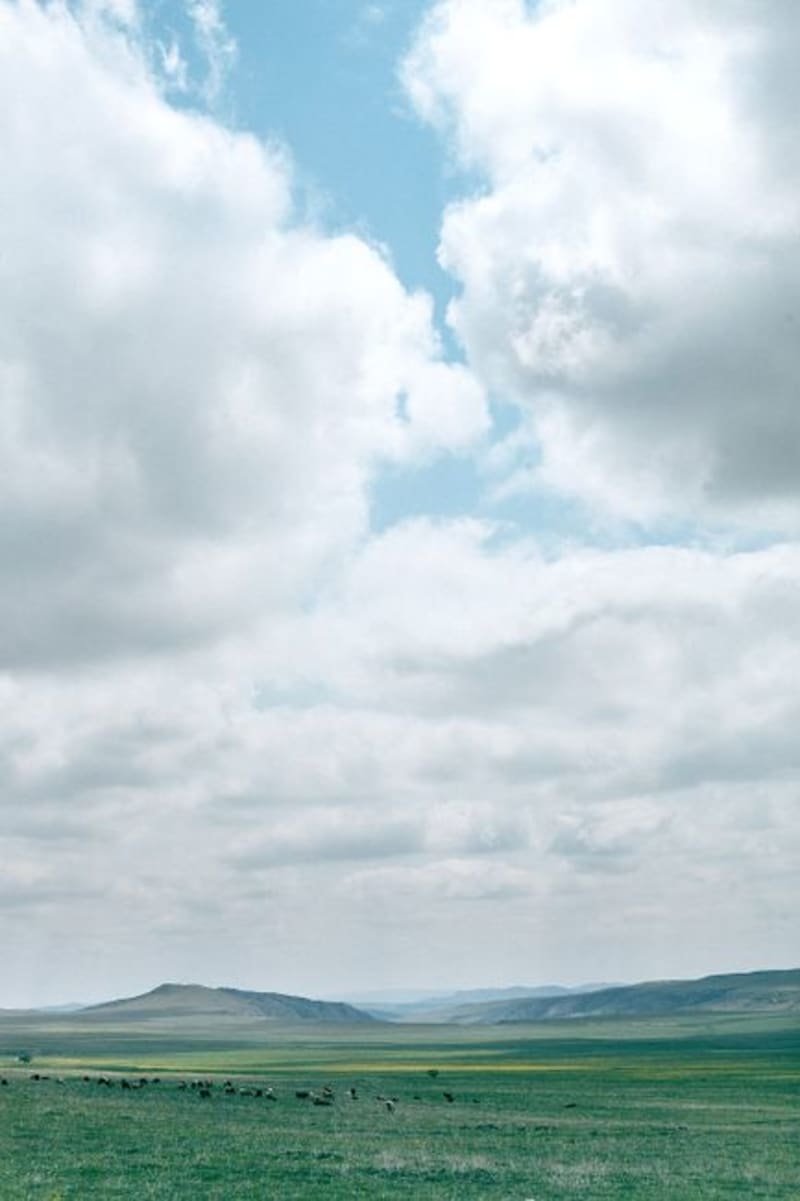 mongolia
 Choibalsan
A river town on the far eastern steppe, the biggest city almost nobody visits, where the Kherlen River curls past Soviet-era buildings and the grassland runs flat and empty toward Manchuria.
Explore mongolia
 Dalanzadgad
The gateway town to the South Gobi, unglamorous by design, where every traveler heading toward the dunes and canyons of Gurvansaikhan passes through and few actually stop to look.
Explore mongolia
 Dariganga
An extinct volcanic field in the far southeast where two hundred cinder cones rise out of the steppe and sand dunes creep up against grassland like they can't decide what desert means.
Explore mongolia
 Darkhan
Mongolia's second city, a Soviet-planned industrial hub on the road north to Russia, more useful as a waypoint than a destination but honest about it in a way I respected.
Explore