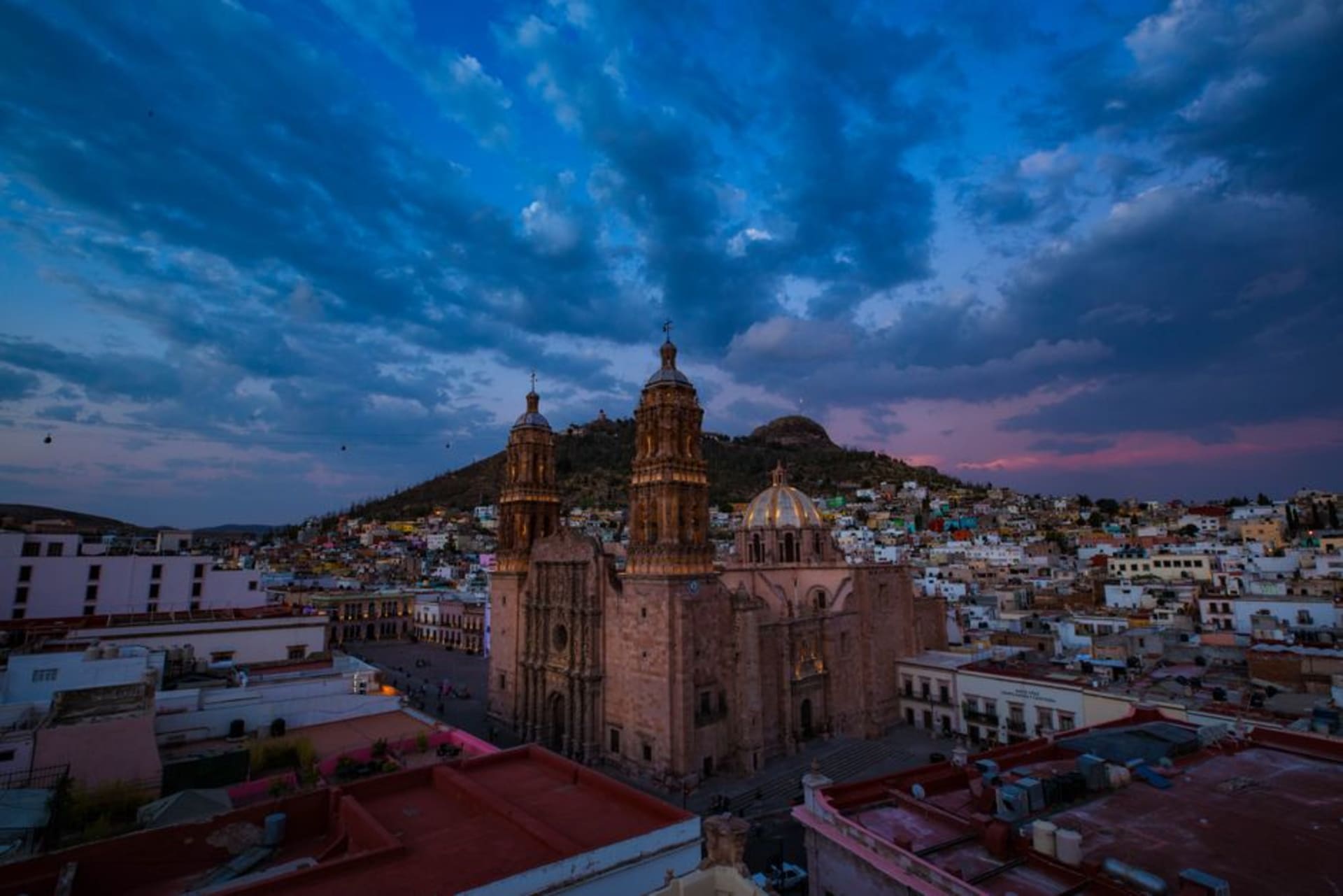
Valparaíso
"Three hours from Zacatecas City on a road that gets progressively worse, and I found a town that has absolutely no interest in being discovered."
The road from Jerez drops you into Valparaíso with something like finality. I came on a Monday — market day — and the main street was already thick with the smell of pine resin, animal heat, and copal smoke lifting from a direction I couldn’t quite place. The Sierra Madre Occidental does something peculiar to light at this altitude: flattens it, bleaches it almost white. The air had a cold edge at ten in the morning that sent me back to the truck for a jacket I hadn’t thought I’d need in July. Nobody looked particularly surprised to see me arrive. Nobody looked particularly interested, either.
The Monday Tianguis
Valparaíso’s Monday market is not the artisan variety that gets photographed for weekend supplements. It’s a working livestock tianguis — horses, cattle, and goats cycling through makeshift corrals at the edge of the plaza while men in vaquero hats negotiate in the particular low register that livestock deals seem to require everywhere in the world. Stands along the perimeter sell tack, rope, veterinary supplies, and, incongruously, stacks of polyester blankets printed with tigers.
The food stalls open early. I ate birria de res from a woman who had been setting up that particular spot, she told me without being asked, since 1994. It came in a clay bowl with the broth separated in a smaller cup alongside — consommé dark as coffee and tasting of dried chiles and long patience. I ate standing because there was no room to sit, which seemed appropriate. The market exists to move animals and goods, not to be experienced by someone passing through on a weekday with a notebook.
The Road to Chalalá
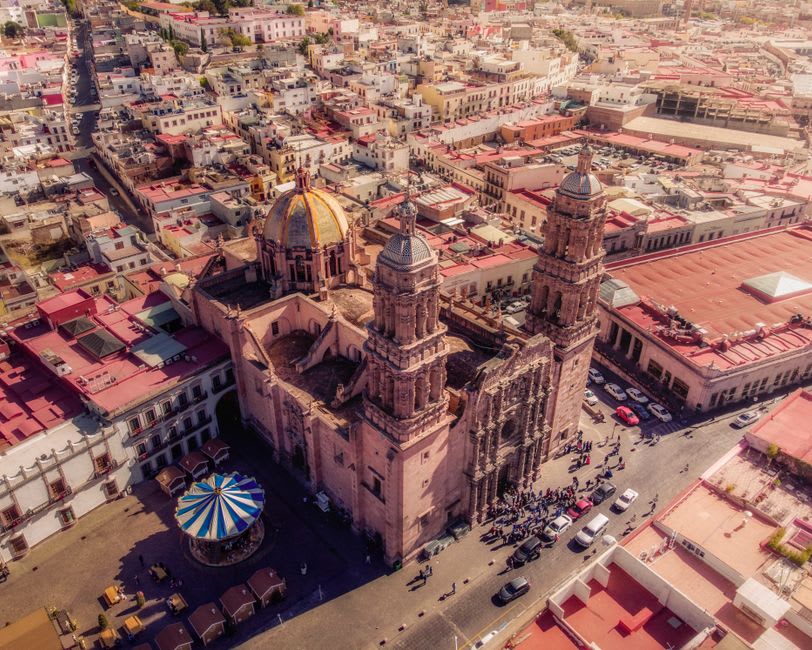
The Sierra Madre Occidental rises immediately north and west of the plaza in a way that clarifies just how small Valparaíso actually is — a few thousand people tucked into a fold in the mountains. The pine smell I noticed on arrival turns out to be permanent. Walking uphill from the market, the town gives way to forest within twenty minutes, quiet enough that you lose the sound of the tianguis entirely before you’ve gone a kilometer.
Two hours by dirt road from the center, the Cascada Chalalá drops into a narrow canyon that local kids use as a swimming hole in summer. The road is genuinely bad — not the apologetic “unpaved road” that some guides use for washboard gravel, but the kind requiring real clearance and a vehicle you’re not overly attached to. The waterfall rewards the chassis negotiation: a single curtain about fifteen meters tall into a pool ringed with ferns and carrying the cold-mineral smell that moving water in limestone country always produces.
Four Hundred Pesos and Roosters at Five
A few fondas near the plaza serve the Zacatecan range: caldillo de res, enchiladas mineras, asado de boda on Sundays if you time it right. I had the asado at a place I failed to write down — the red mole carried exactly the right quantity of bitter chocolate, and the tortillas were handmade, thick, with the slightly scorched edges that a too-impatient comal produces, which is actually the better outcome.
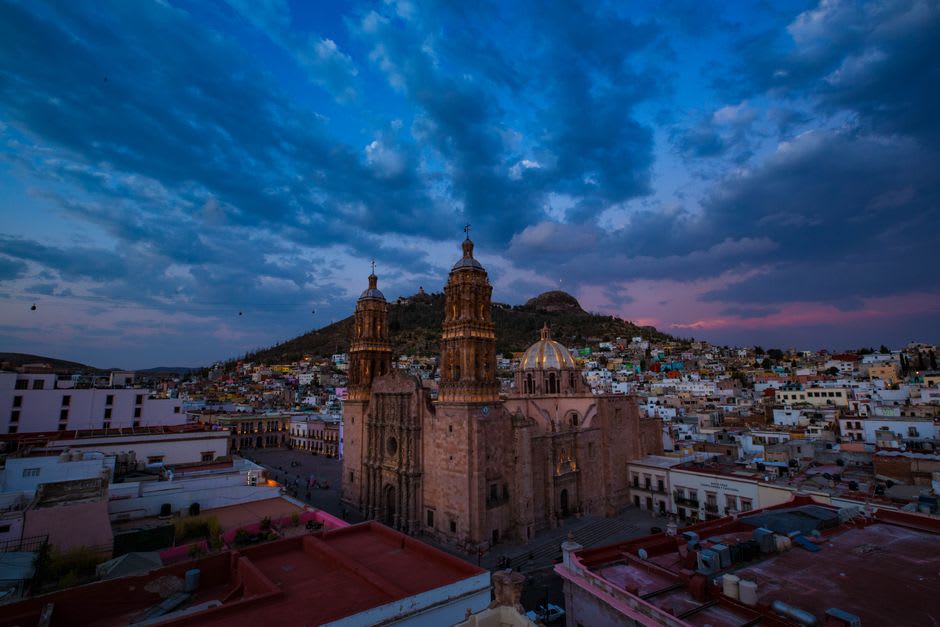
Accommodation is limited to one small hotel on the main square. It’s clean, functional, and costs around four hundred pesos a night. Don’t come expecting boutique. Come expecting a firm mattress, reliable hot water, and roosters at five in the morning with no intention of stopping.
Getting There
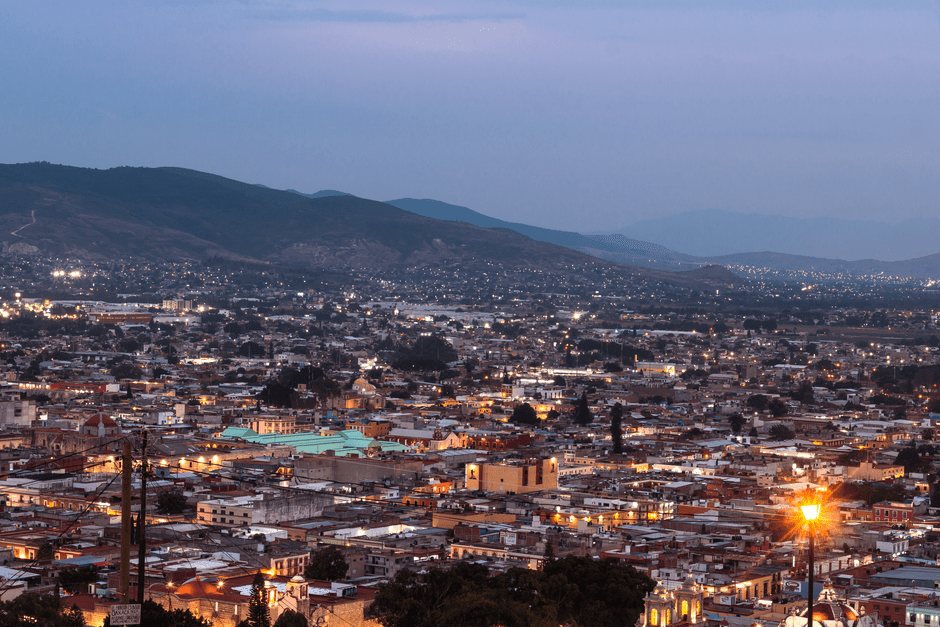
Valparaíso sits roughly three hours from Zacatecas City — south through Jerez, then west into the sierra on a road that deteriorates with purpose. Buses from Zacatecas run infrequently; verify the return schedule before committing. Market day is Monday; arriving Sunday evening and leaving Tuesday morning gives you the full picture. November through April, dry season, is considerably easier on the roads and on the vehicle’s suspension.