Xico
"The mole recipe here is older than anyone in town, and they argue over it like a family inheritance — which, essentially, it is."
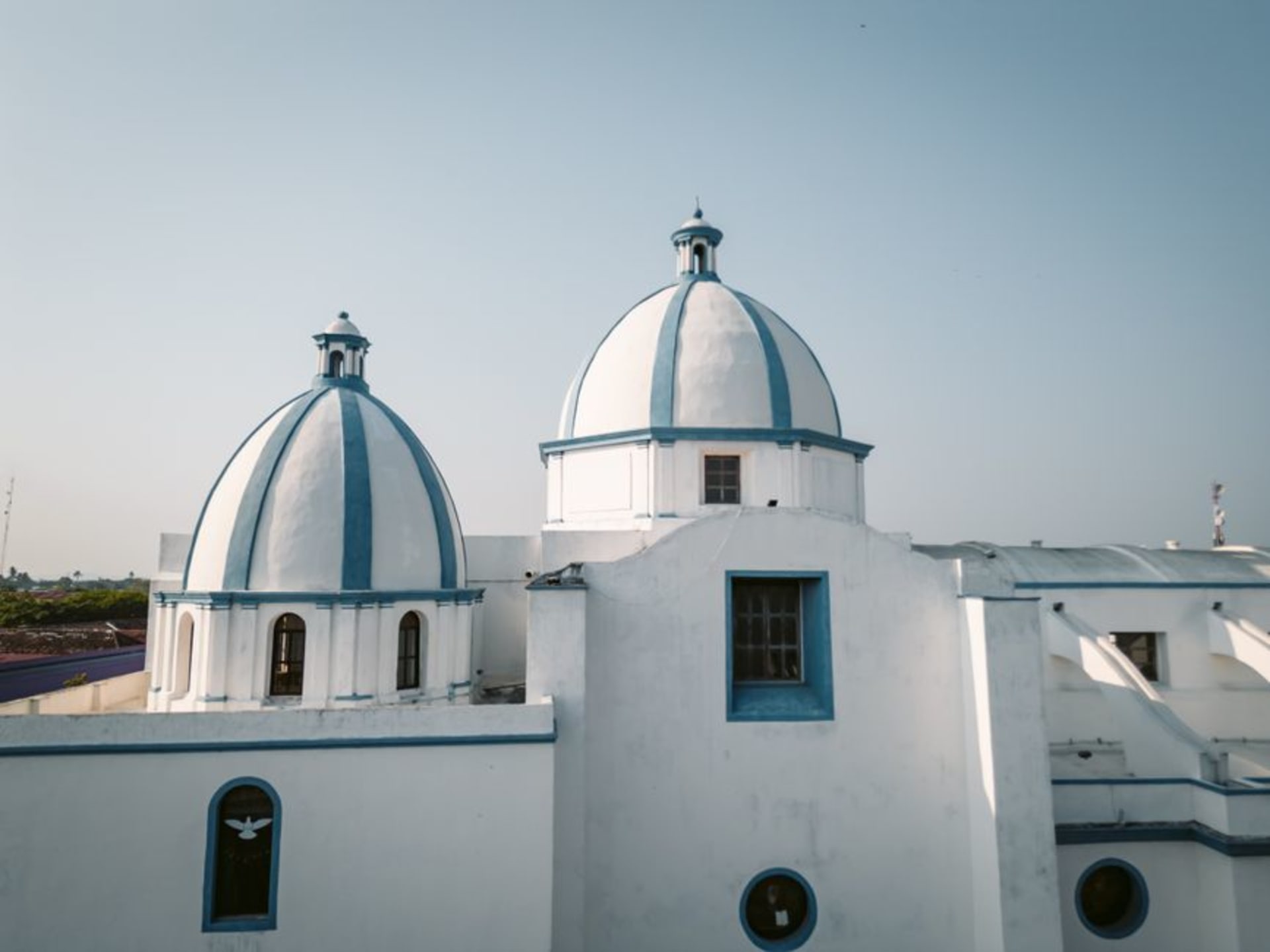
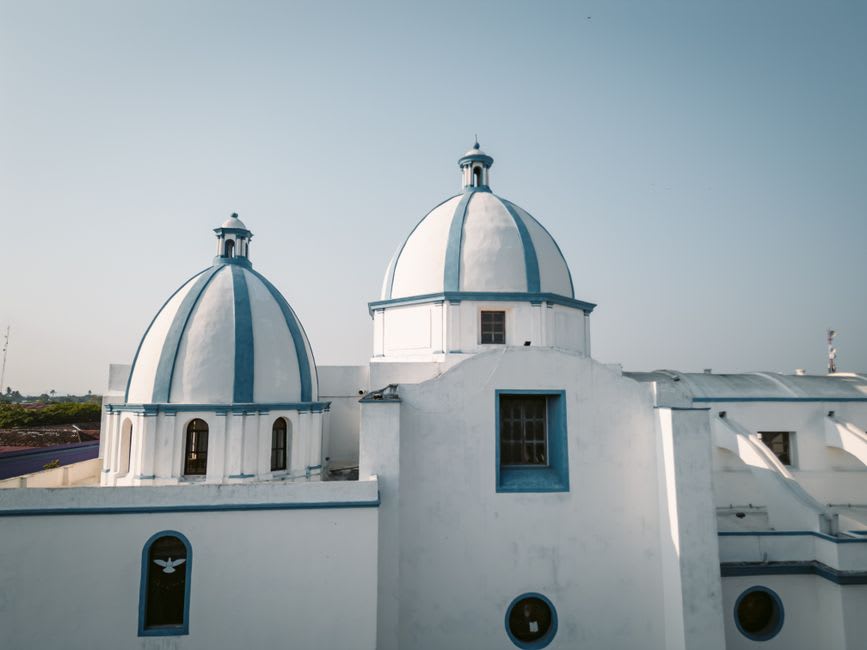
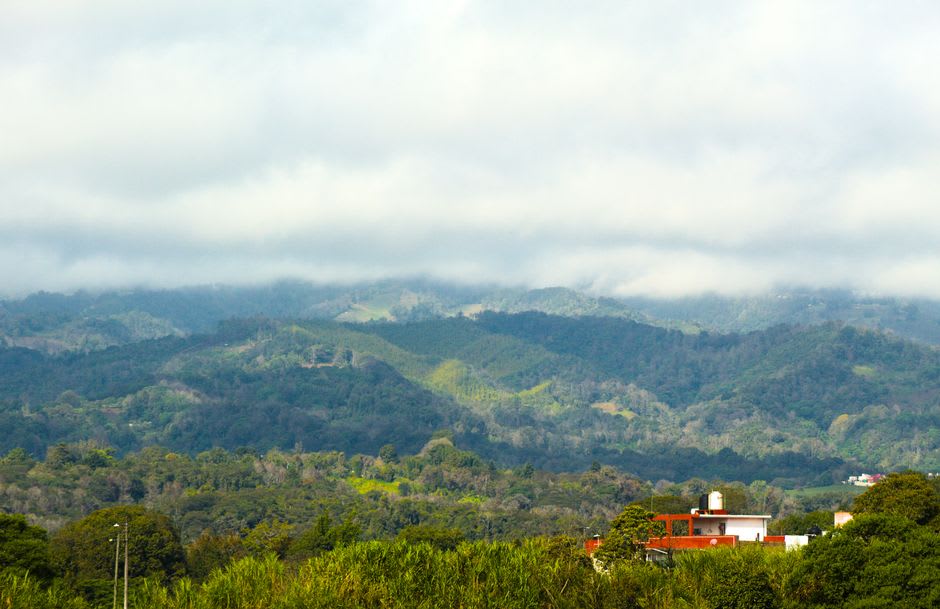
I came to Xico for the mole and stayed three days longer than planned. That should tell you something. The colectivo from Xalapa deposits you at the edge of town — which is also essentially the center, because Xico is not large — and from there you walk downhill on damp cobblestones past houses painted in yellows and burnt oranges that absorb what little light filters through the cloud cover. The coffee mountains don’t give the sun generously here. What they offer instead is mist, wood smoke, and the particular stillness of a place that has been doing the same things for several centuries and sees no reason to stop.
Every November, the Streets Belong to the Bulls
The thing nobody explains about Xico’s pamplonada is that the town seems designed for it. The streets don’t merely accommodate the running of bulls — they look like they were planned with this specific chaos in mind, narrow enough that there’s nowhere sensible to stand except inside a doorway that may or may not open in time. Every November the cobblestones that are otherwise given over to old women with market bags and dogs sleeping in doorways transform into something else entirely. The encierro here predates the Instagram version of Pamplona by generations; locals will tell you this is how it has always been done, which in Xico means loudly, with ceremony, and with a seriousness that tourists occasionally mistake for danger. It is both. I watched from a balcony above Calle Zaragoza, nursing a coffee from a nearby finca, while the street below became briefly ungovernable. Within an hour, the town had returned to its quiet self as if nothing had happened. That composure felt like the whole point.
The Mole That Takes Three Days
The mole negro from Xico has thirty-four ingredients — or thirty-six, depending on who is making it, and the two cooks will not be in the same room long enough to settle the question. I ate my first bowl at a small comedor near the market, the kind of place with four plastic tables and a handwritten menu, and the woman who served it told me flatly that the version from the restaurant two streets over was a shortcut. She used “shortcut” the way a doctor uses “concerning.” The mole is dark, barely sweet, with a depth that takes time to read — you’re tasting across three days of work: the toasting of dried chiles mulato and pasilla, the grinding, the slow stirring over wood fire. It is not the mole negro I know from Oaxaca. It carries a different weight, or an older one. I ordered a second bowl and did not mention it reminded me of home.
The Waterfall at the End of the Finca Road
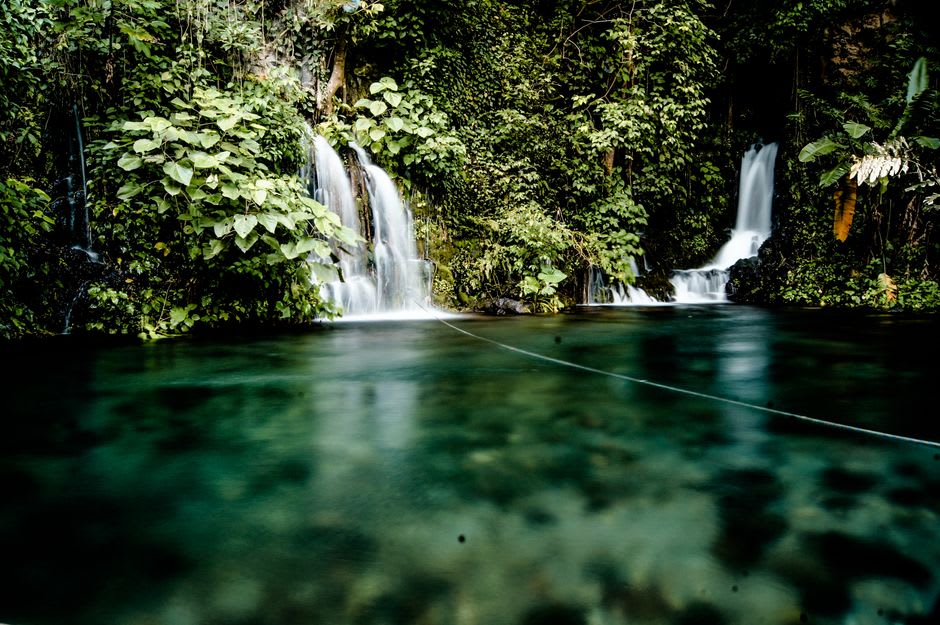
Two kilometers from the plaza, the road to the Cascada de Texolo winds through coffee and banana plantations before arriving at a viewpoint where the falls drop into a gorge thick with tree ferns and cloud-forest vegetation. The mist rising from the water is the same mist that sits over town at dawn; here you see its source. Local guides offer walks to the base of the falls — worthwhile, if the return climb agrees with you — and the surrounding fincas sell coffee roasted that morning. I bought half a kilo of a medium roast from a woman at a roadside table and drank it for the rest of the trip from a chipped mug in my guesthouse. Some purchases solve the question of what you’ll remember about a place.
Getting There
Xico is about thirty kilometers from Xalapa — forty minutes by car or a short colectivo ride from the Mercado Jáuregui terminal. Xalapa connects by ADO buses from Mexico City (roughly four hours), Veracruz city, and Puebla. November draws the biggest crowds for the pamplonada; for the town at its quietest, come in March or April when the coffee harvest is winding down and the mountain fog is still doing its slow work.