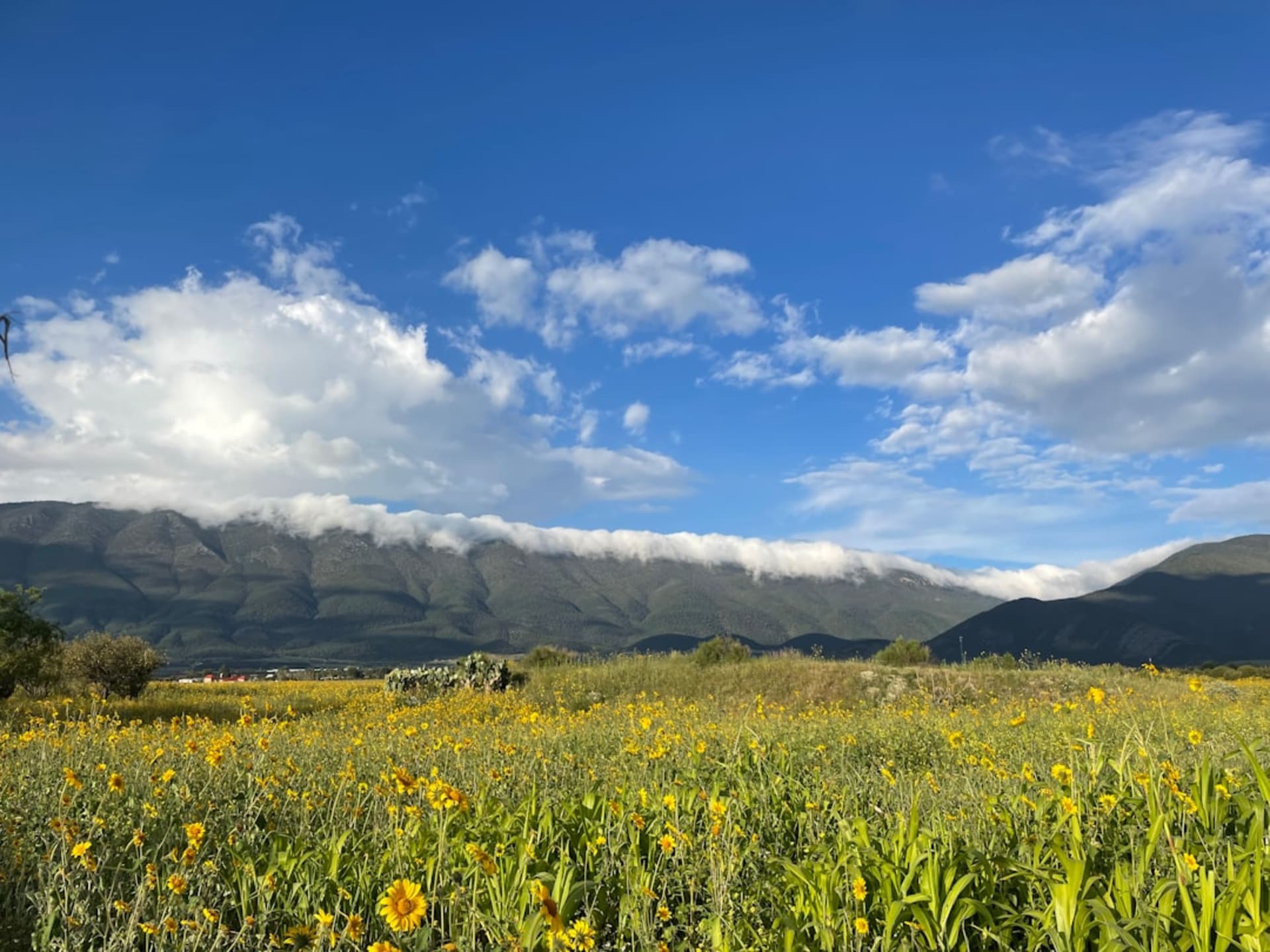
Álvaro Obregón
"The Yaqui ceremonial dances I stumbled into outside Ciudad Obregón were some of the most moving I have seen in Mexico — and the city never once marketed them."
I arrived in Ciudad Obregón on a Tuesday in March, which is a deliberately unremarkable sentence about a deliberately unremarkable city. My GPS put me on the Boulevard Rodríguez in forty-degree heat and I thought: this place does not want anything from me. No colonial plaza polished for tourists, no Instagram mural angled toward the golden hour. What it had, three kilometers east of the city limits on a road I almost missed, was a Yaqui village preparing for a ceremony nobody had listed on any tourism website — because nobody had thought to. That was the first honest thing Ciudad Obregón told me about itself.
The Dances Nobody Schedules
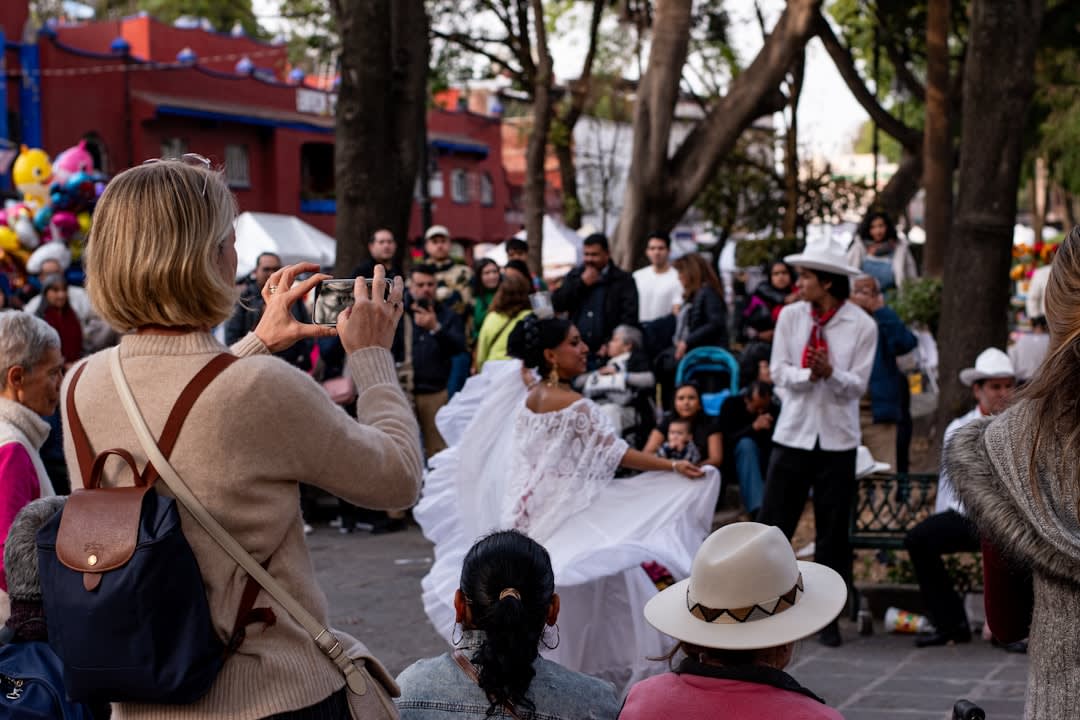
The Yaqui people have lived along the Río Yaqui for longer than the Mexican state has existed, and their ceremonial calendar is not a performance calendar. I learned this when I followed the sound of a drum and a high flute past a line of acacia trees into a small plaza in Cócorit and watched a Deer Dancer — the Maso — move through a ritual I could feel without understanding a word of Yaqui. The maso wears a small deer head above his own, dried cocoon rattles at his ankles, and he moves in a way that is simultaneously slow and irreversible. Around him, Pascola dancers wear carved wooden masks — spiders, serpents, old faces — and the ceremony continued through the afternoon and into dark.
I did not photograph it. Some things resist that reflex. The Yaqui have defended their territory and identity through four centuries of colonial pressure, military campaigns, and forced displacement, and the weight of what you are watching is not reducible to a shutter click. The Centro Cultural Yaqui in Cócorit has modest but serious documentation if you want context before you arrive. Go with patience and the clear understanding that you are a guest, not an audience.
What the Valle Produces
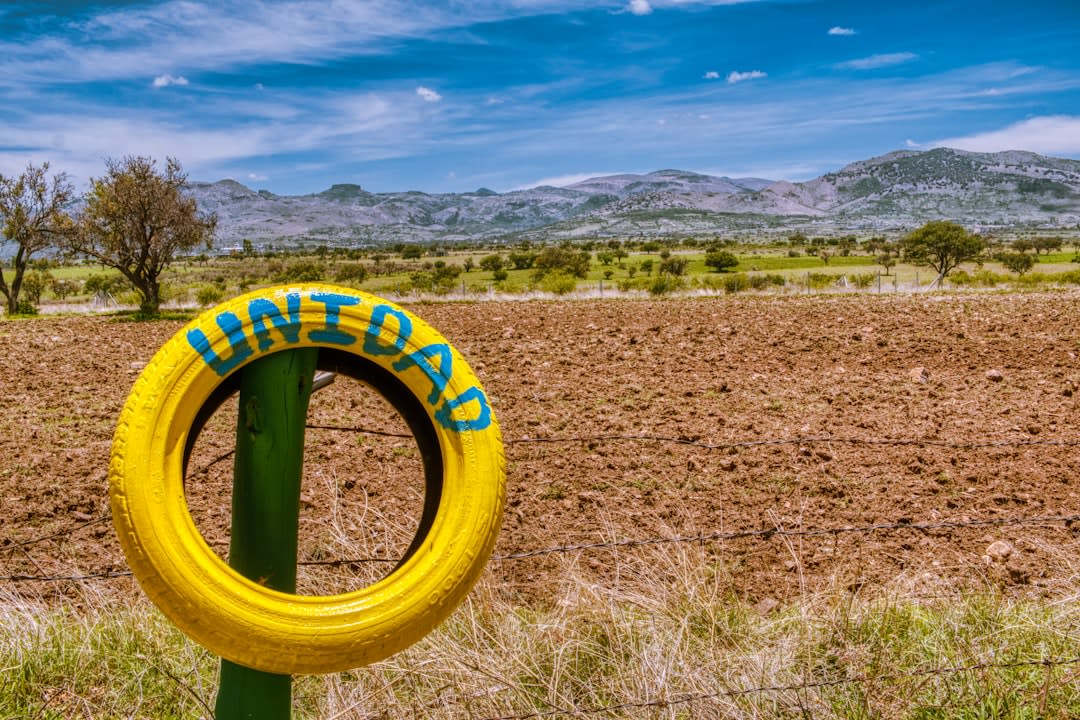
The Valle del Yaqui is one of Mexico’s most productive agricultural zones — wheat, chickpeas, safflower, sorghum — and Ciudad Obregón wears this without apology. The Mercado Municipal off Calle 500 smells of fresh produce at a scale that reminds you food has a source. I ate caldo de res at a corner stand for sixty pesos and watched men in work boots eat the same thing at the same hour.
The food runs northern Mexican: carne asada cut thick, machaca pulled apart with care, flour tortillas the diameter of a small table, burritos stuffed with potato and egg before dawn. At Restaurante El Farolito on the Boulevard, I had a machaca con huevo slow-cooked with actual intention. The agua de cebada — barley water, cold, lightly sweet — is a Sonoran staple I had not encountered in the south and ordered twice without embarrassment.
This is not a city where you eat through a curated list. You eat what is in front of you at whatever hour you are hungry, and it is usually very good.
The General’s City
Ciudad Obregón carries the name of Álvaro Obregón, the Sonoran general who lost his right arm during the Battle of Trinidad in 1915 and later became president of Mexico. There is a monument to him near the city center — functional, unsentimental, appropriate for the man. The dams and irrigation infrastructure that made the Valle del Yaqui agriculturally viable were part of the modernization project his generation launched, which means the general is present in both the stone and the fields.
My practical advice for this place is simple: stay longer than you planned. The first day you will wonder what you are doing here. The second day you will find the Yaqui villages on the eastern edge, or the rhythm of the market, or a lonchería with no sign that serves the best flour tortillas you have encountered in your life. That is the tempo Ciudad Obregón asks of you, and it is not an unreasonable request.
Getting There
Ciudad Obregón has its own airport — General Leobardo C. Ruiz International — with connections to Mexico City and Guadalajara. By road it sits on Federal Highway 15, roughly five hours south of Hermosillo and four hours north of Culiacán. The bus terminal on Calle Michoacán connects well to the rest of northern Mexico. I drove from the south in stages over three days, cutting east into Sonora at Navojoa on Federal Highway 15, which is the most direct route from the Pacific coast.