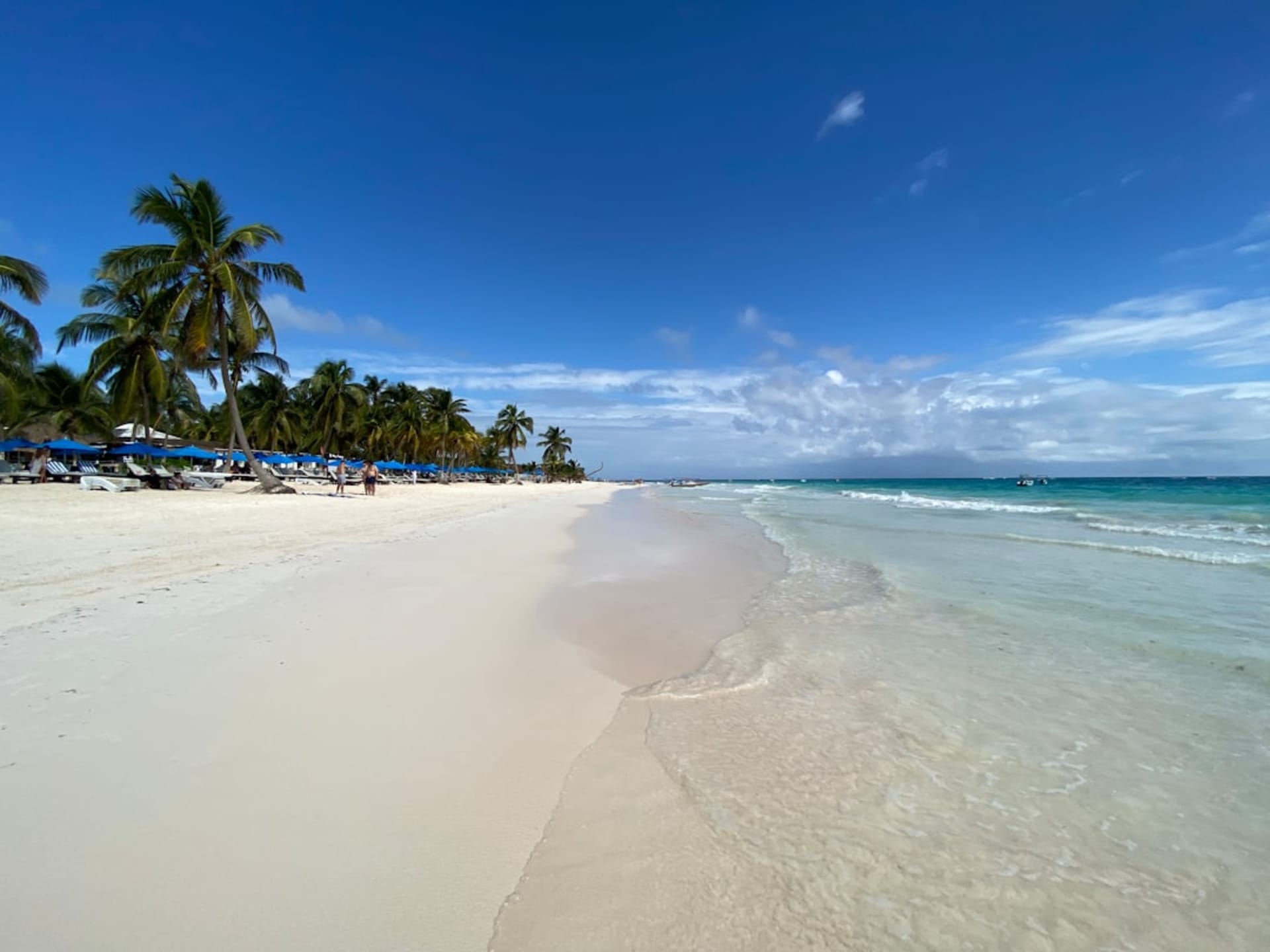
Xcalak
"The road to Xcalak is 60 kilometers of unpaved Quintana Roo coast. At the end is a village. The reef is 20 meters from the beach. The snorkeling starts at the shore."
Xcalak is the last word in Quintana Roo before the Belize border. The village sits at the southern tip of the Banco Chinchorro reef district, connected to the rest of Mexico by a 60-kilometer road of varying quality running south from Mahahual (the Costa Maya’s cruise ship port). The road passes through the mangrove and coconut palm coast of the Área de Protección de Flora y Fauna Uaymil without passing through anything that could be called development. At the end: 350 people, a handful of palapa restaurants, a few small guesthouses, and the Sistema Arrecifal Mesoamericano — the Mesoamerican Barrier Reef, the second longest in the world — starting approximately 20 meters from the beach.
Xcalak is not Tulum. It is not Holbox. It is what those places were before they were those places.
The Reef
The Mesoamerican Barrier Reef runs 1,000 kilometers from the tip of the Yucatán Peninsula to the Bay Islands of Honduras. At Xcalak, it sits close enough to shore that the current visible from the beach — the line where the turquoise shallows meet the deeper blue of the fore-reef — is the actual reef crest, 500-800 meters offshore and 3-5 meters below the surface.
The Parque Nacional Arrecifes de Xcalak (established 2000) protects the reef and the seagrass beds in the lagoon between the village and the reef. The no-take zone within the park has allowed fish populations to recover — the grouper, snapper, and parrotfish that were fished heavily during the 20th century are now abundant in the shallower zones.
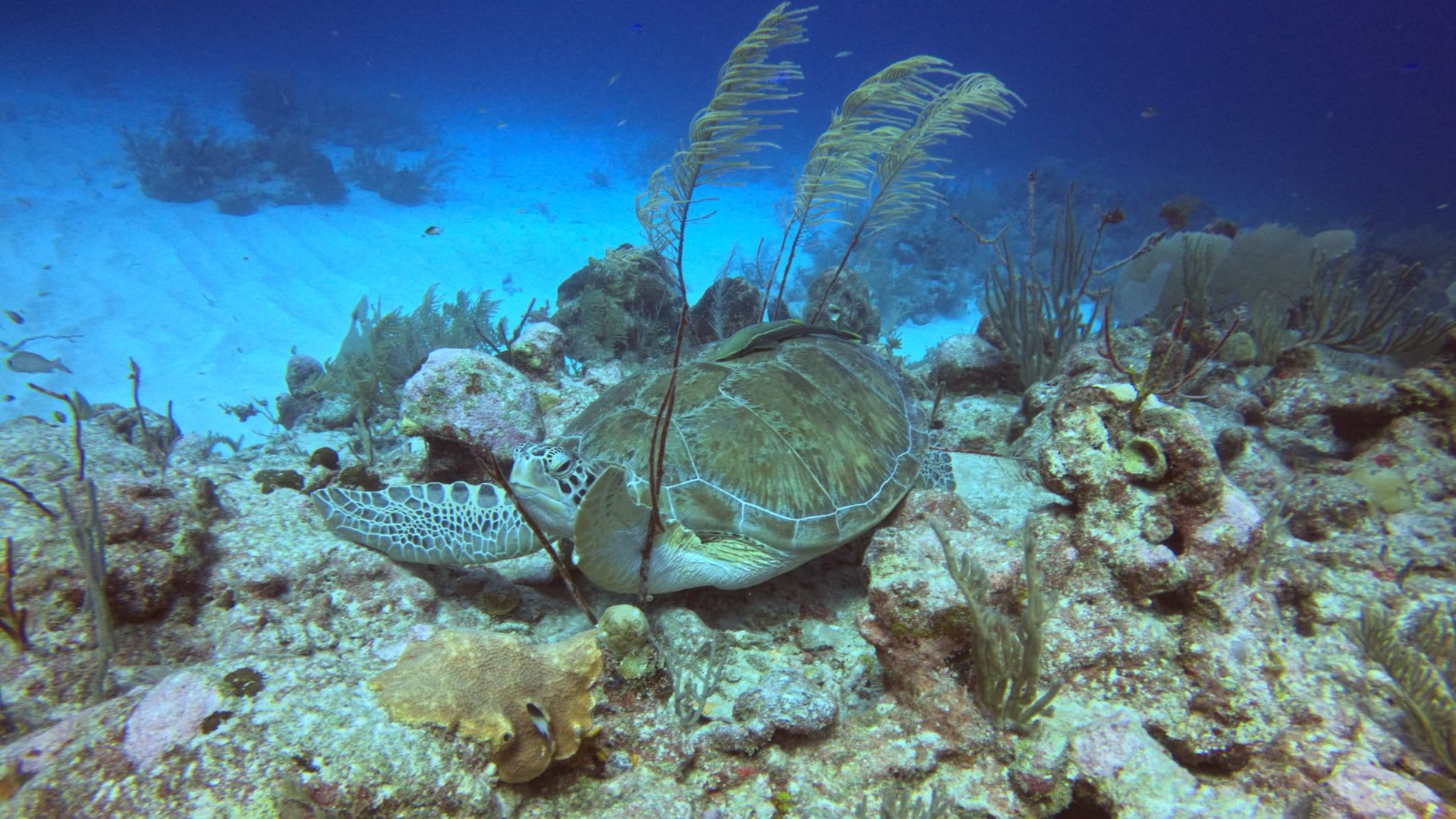
Snorkeling begins from the beach: the seagrass beds 30-50 meters from shore hold queen conch, sea turtles (the turtle population is a visible feature of the Xcalak lagoon), and the endemic juvenile fish species that use the grass beds as nursery habitat. The reef face proper requires a short boat trip or a stronger swim.
Diving at Banco Chinchorro: 50 kilometers offshore from Xcalak, the Banco Chinchorro is an atoll with the largest coral reef system in Mexico and one of the most biodiverse in the Caribbean. It also contains the wrecks of Spanish galleons and 19th-century cargo ships sunk on the shallow reef — the ships that gave the atoll its reputation as the “Ship Graveyard” of the Caribbean. The Banco Chinchorro dive requires a full-day boat trip (weather dependent) and booking in advance; the local operators in Xcalak organize these trips.
The Village
Xcalak was destroyed by Hurricane Janet in 1955 and by Hurricane Dean in 2007. The buildings that exist now are mostly post-2007. The architecture is practical — concrete, wood, corrugated metal — with no pretension toward tourist aesthetics. The guesthouses are small: three to ten rooms, owner-operated, breakfast on request, the owner also runs the dive operation.
The restaurants serve fish. The fish was caught this morning, probably by the owner’s brother. The preparation is Yucatán coast: zarandeado (butterflied and grilled over wood), al mojo de ajo (garlic butter), or simply fried with tortillas and the habanero salsa that the Quintana Roo coast uses as a baseline condiment.
There is no nightlife. The reef is the reason people are here. Most guests are asleep by ten.
Getting There
The distance from Mahahual (the nearest town) is 60 kilometers on a road that has been partially paved in sections and remains unpaved in others. A standard sedan can manage it in dry season; after rain the soft limestone surface becomes challenging. The drive takes 1-1.5 hours. There is no bus service; a car, rental truck, or taxi from Mahahual are the options.
Mahahual itself is reached by bus from Chetumal (2h) or Felipe Carrillo Puerto (2.5h). From Cancún, the journey is 5-6 hours by bus.
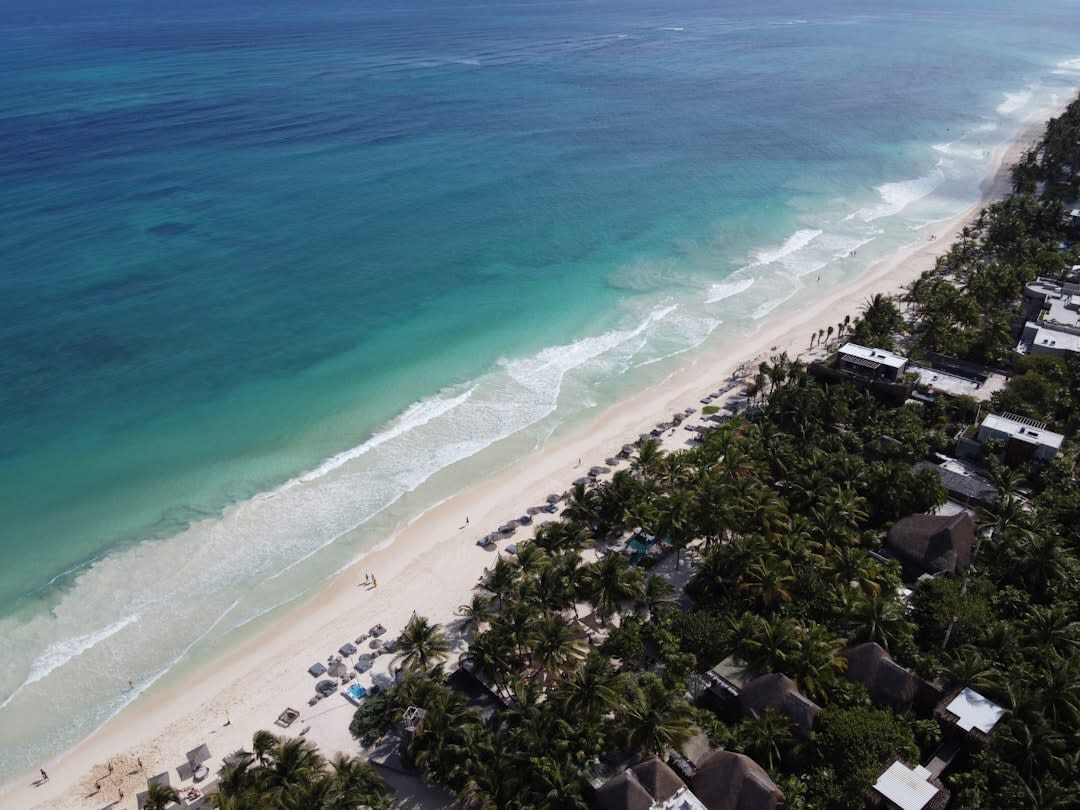
When to go: November through April for the calmest seas and clearest visibility. December through March is the peak season for the few visitors who come here (still quiet by any other standard). May through October brings heat, humidity, and occasional tropical storms that close the reef to diving; August through October is hurricane season.