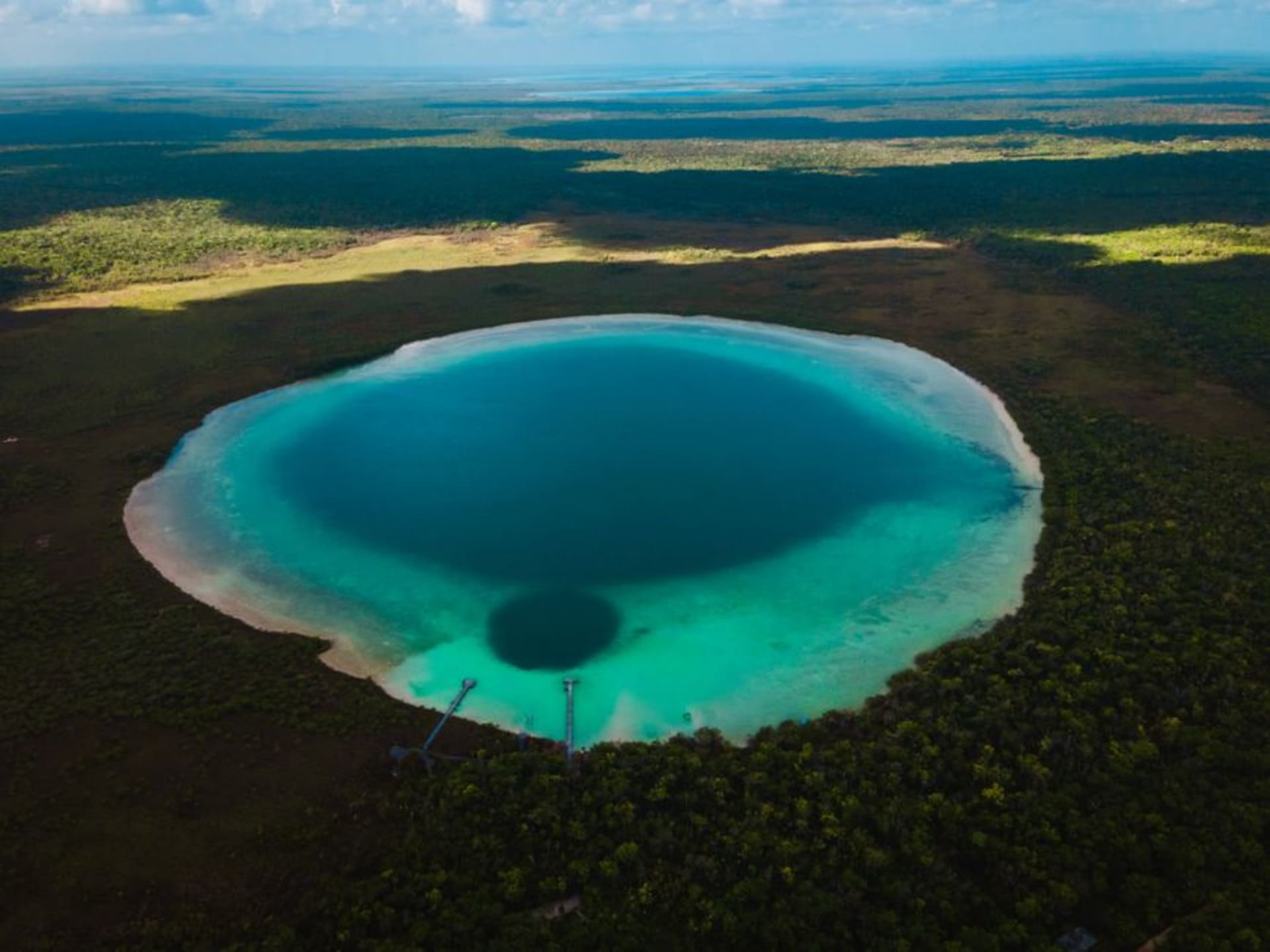
Sian Ka'an
"Floating down a Maya canal surrounded by jabiru storks while a crocodile gives me absolutely no eye contact — I will think about this for years."
I drove down from Tulum at dawn, which sounds romantic until the road turns to rutted limestone somewhere past the Boca Paila bridge and your coffee goes cold on a pothole. I was going to see crocodiles. That was the stated reason. Two hours of bone-jarring dirt road later, I was standing at the edge of a lagoon the color of strong tea, watching a jabiru stork the size of a small child stalk through the shallows without a single acknowledgment of my presence. Sian Ka’an has a way of making you feel neither welcome nor unwelcome — just irrelevant, which is exactly the right relationship to have with a million hectares of wilderness.
The Canals That Still Work
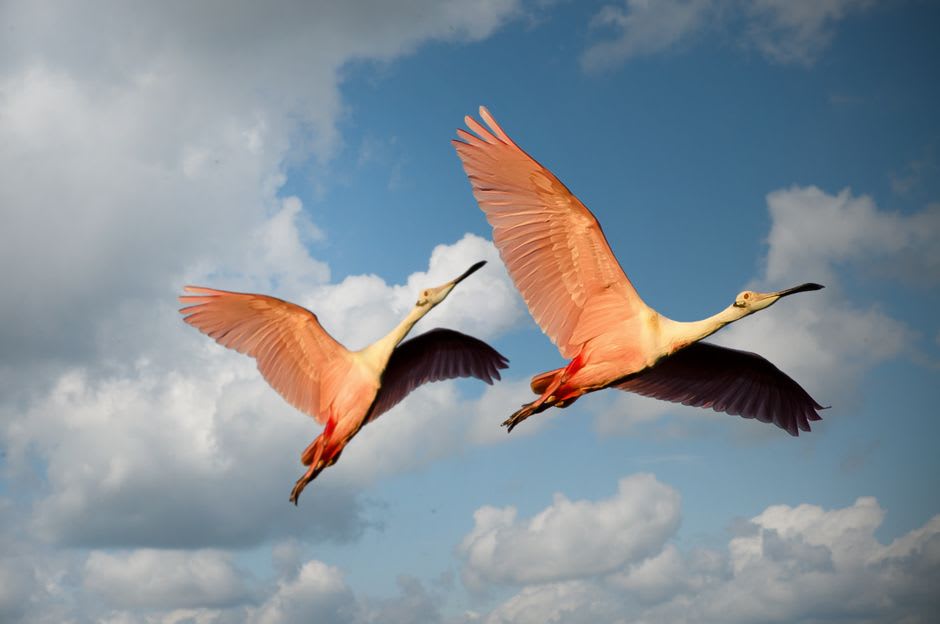
The ancient Maya built a system of channels through the wetlands here, and the remarkable thing is not that they built them — it is that they still function. You can hire a boat through the guides at Muyil, which sits on the reserve’s western edge along the Tulum–Felipe Carrillo Puerto highway, walk a short path through secondary jungle past the ruins of Chunyaxché, then lower yourself into a life vest and float. The current does the rest. For forty-five minutes, maybe an hour, the canal pulls you north through walls of red mangrove, past egrets that do not flinch, past a bend where roseate spoonbills cluster in such number that the tree line turns pink. I had my phone in a dry bag and kept reaching for it. I left it there. Some things are better remembered imperfectly.
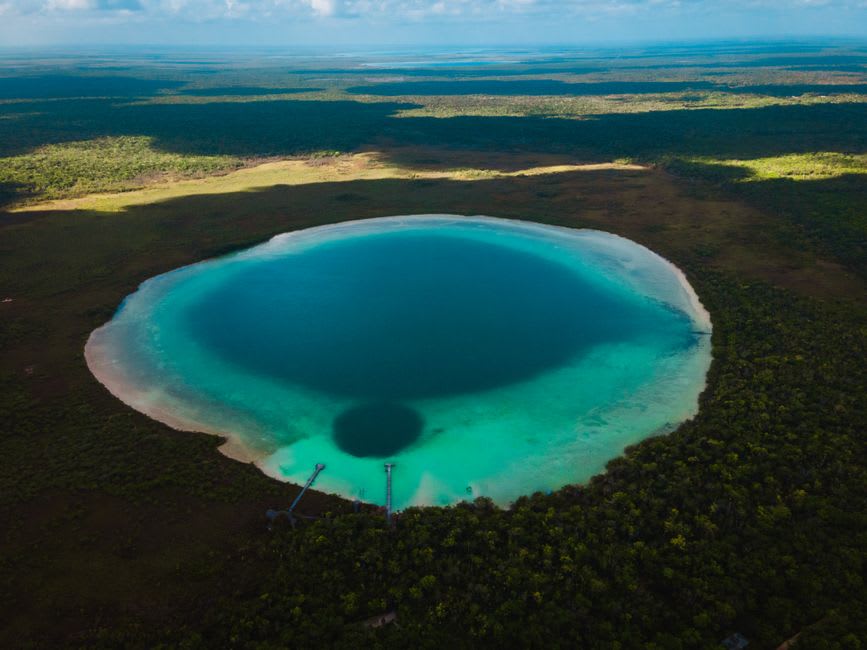
What the Reserve Actually Is
Most visitors arrive with Punta Allen in mind — the fishing village at the tip of the peninsula, known for permit fishing and small lodges where the electricity goes off around ten. That is a real place worth reaching. But Sian Ka’an is not a destination so much as a category of landscape. The northern section is mostly wetland and coast; the southern reaches are dense tropical forest where you will not go without a guide and should not want to. The coral reef system along the coast belongs to the Mesoamerican Barrier Reef — the second largest in the world — and snorkeling off Boca Paila in the right conditions reminds you that everything above water is preamble. I counted fourteen frigatebirds riding a thermal over the main lagoon one morning. A guide told me that was a quiet day.
How to Actually Be Here
Go with a guide. I know how that sounds, but I mean it practically: the reserve has no marked trails, no signage, nothing outside of Punta Allen and the Muyil access point. The licensed guides working with CESIAK, the local cooperative near Tulum, know where the crocodiles are sunning themselves on the bank at seven in the morning, which channel the jabirus have been using this season, when to cut the motor and let the boat drift. Book in advance — they fill in high season, especially December through March. Bring more water than you think you need. The sun here is a serious interlocutor.
Getting There
From Tulum, the Boca Paila road heads south along the coast — roughly two hours of unpaved track to reach Punta Allen, considerably less if you are stopping at Muyil, which is paved and about 24 kilometers south of Tulum town. CESIAK runs guided tours departing from Tulum. There is no ATM in Punta Allen. Bring cash, bring enough, and do not assume the road is faster than it looks on a map.