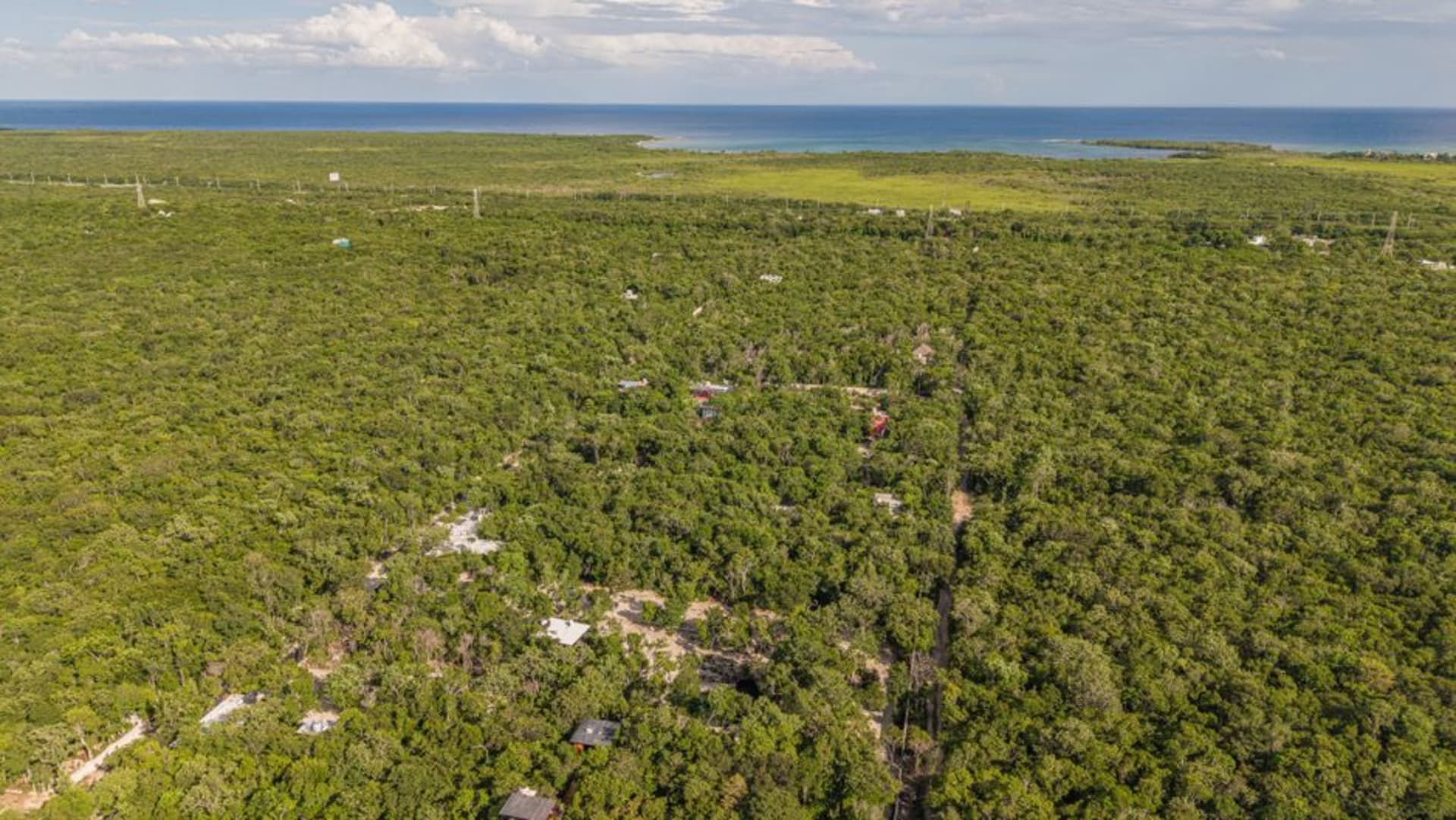
Punta Allen
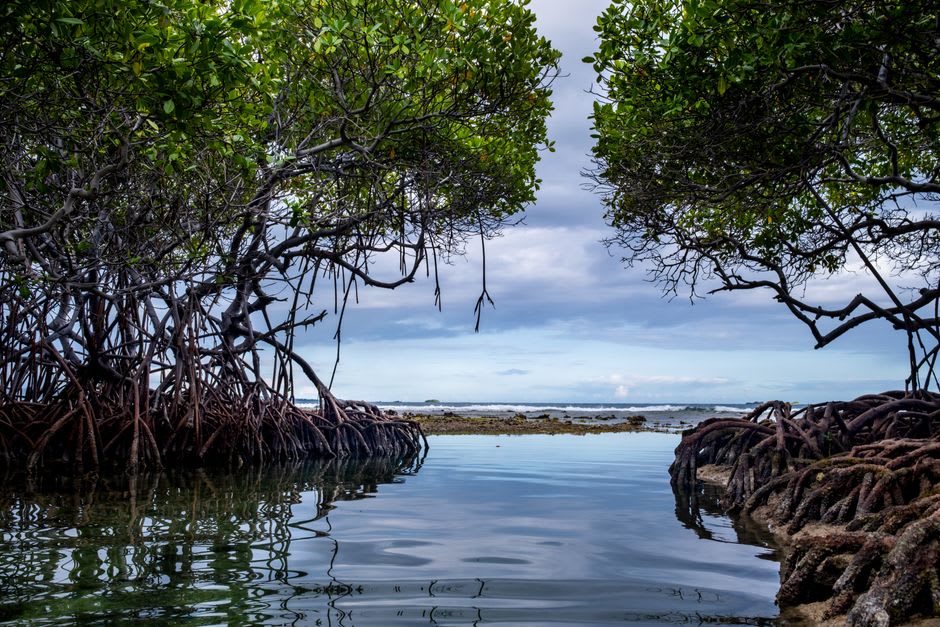
"The last hour of driving on that road you start to wonder if you made a mistake — then the mangroves open onto the Caribbean and you realize Mexico was keeping this one for the people who actually wanted it."
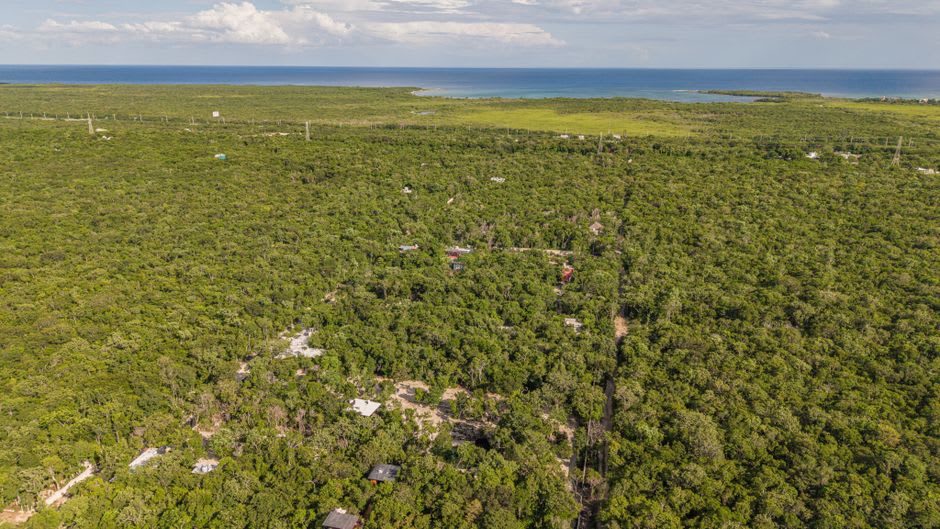
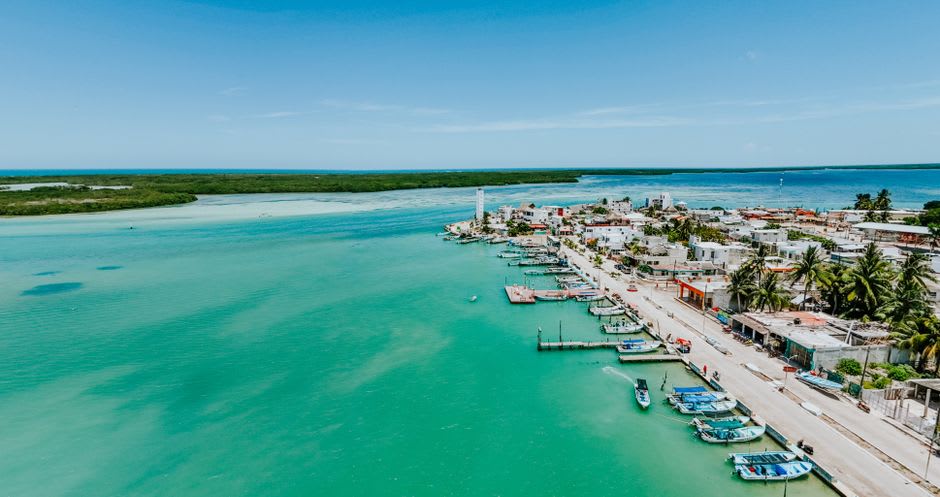
I pulled into Punta Allen just before noon with a cracked windshield wiper and roughly half the water I’d started with. The road from Tulum — sixty kilometers of pot-holed dirt that cuts through the Sian Ka’an Biosphere Reserve — had taken two and a half hours and rearranged my spine in ways I’m still accounting for. The village appeared without ceremony: a handful of painted cinder-block houses, a basketball court, two restaurants, a dock. Three pelicans sat on a wooden railing and watched me park with the specific indifference of locals who have seen every version of this arrival.
On the Flats
The thing nobody tells you about Punta Allen is that the water is the whole reason. Not the beach — there isn’t much of one — but the shallow flats that stretch out from the peninsula into Bahía de la Ascensión, where the turtle grass makes the sea look like hammered jade. This is one of the premier bonefish destinations in the western hemisphere, which is a strange sentence to type about a village that gets electricity for only part of the day. Local guides like Javier Cetina will pole you across those flats at first light in a wooden panga, reading the water with a patience I find genuinely humbling. I don’t fly fish. I went anyway. We drifted for three hours and a pod of dolphins came alongside the boat — not the performative kind you see on tourist catamarans, but wild ones moving through their own morning, close enough that I could hear them breathe.
What They Cook Here
The village runs on lobster. The season runs roughly July through February, and during it the fishermen head out before dawn and come back with what becomes your lunch. Doña Candy’s place — a few plastic tables set under a palapa near the dock — serves grilled lobster tails with rice and sliced cucumber that tastes better than the same dish has any right to in a restaurant this modest. There is no menu beyond what came in that morning. I ate there three times in two days, twice ordering the fish tacos with the habanero salsa she keeps in a repurposed hot sauce bottle and doesn’t offer unless you ask. A liter of agua fresca costs twenty pesos. Nobody is in a hurry. I took this as instruction.
After Dark
The village shuts down early and goes properly dark — no streetlights, generator noise fading by nine. This is the condition the lagoon has been waiting for. On a moonless night, paddling a kayak into the bioluminescent water near the mouth of the estuary, each stroke through the surface ignites a cold green-blue light that trails off the paddle like something dissolving. I had read about it. Reading about it is not sufficient preparation. I sat there for a long time doing nothing useful, which felt like the correct response.
Getting There
Punta Allen sits at the end of the coastal road that begins south of Tulum, past the Sian Ka’an reserve entrance. The drive takes two to three hours depending on road conditions — dry season is easier, but the road is passable year-round in a standard car if you’re not reckless about it. There is no bus. Bring cash, more water than you think you need, and a full tank of gas. The driest, calmest months run November through April.