Playa del Carmen
"I kept dismissing Playa as a layover until I watched the Cozumel ferry disappear into the sunrise from a pier that was still empty of tourists — some cities only reveal themselves to the early risers."
The first time I came to Playa del Carmen, I was on my way somewhere else. Most people are. I had a Cozumel ferry to catch at eight and spent the night before walking La Quinta Avenida — that long pedestrianized corridor of tacos al pastor and souvenir hammocks — telling myself this was fine, just a staging point. Then I got up at five-thirty, walked down to the pier in the half-dark, and found the Caribbean completely still and lit orange at the horizon. I missed the first ferry on purpose. I also missed the second one. By the third, I had stopped checking the schedule.
The Pier at First Light
The pier costs nothing. No wristband, no resort day pass, no queue at a gate. You walk down Calle 1 Sur at six in the morning and you are at the dock, and the Cozumel ferry terminal is just waking up — workers in high-visibility vests drinking café de olla from a thermos, a pelican working the pilings with industrial patience. The Caribbean this early is a different color than it is at noon: darker, more honest, a shade of blue that doesn’t need a filter. When the first ferry fires up and pulls away, the wake it leaves crosses the whole bay in slow motion.
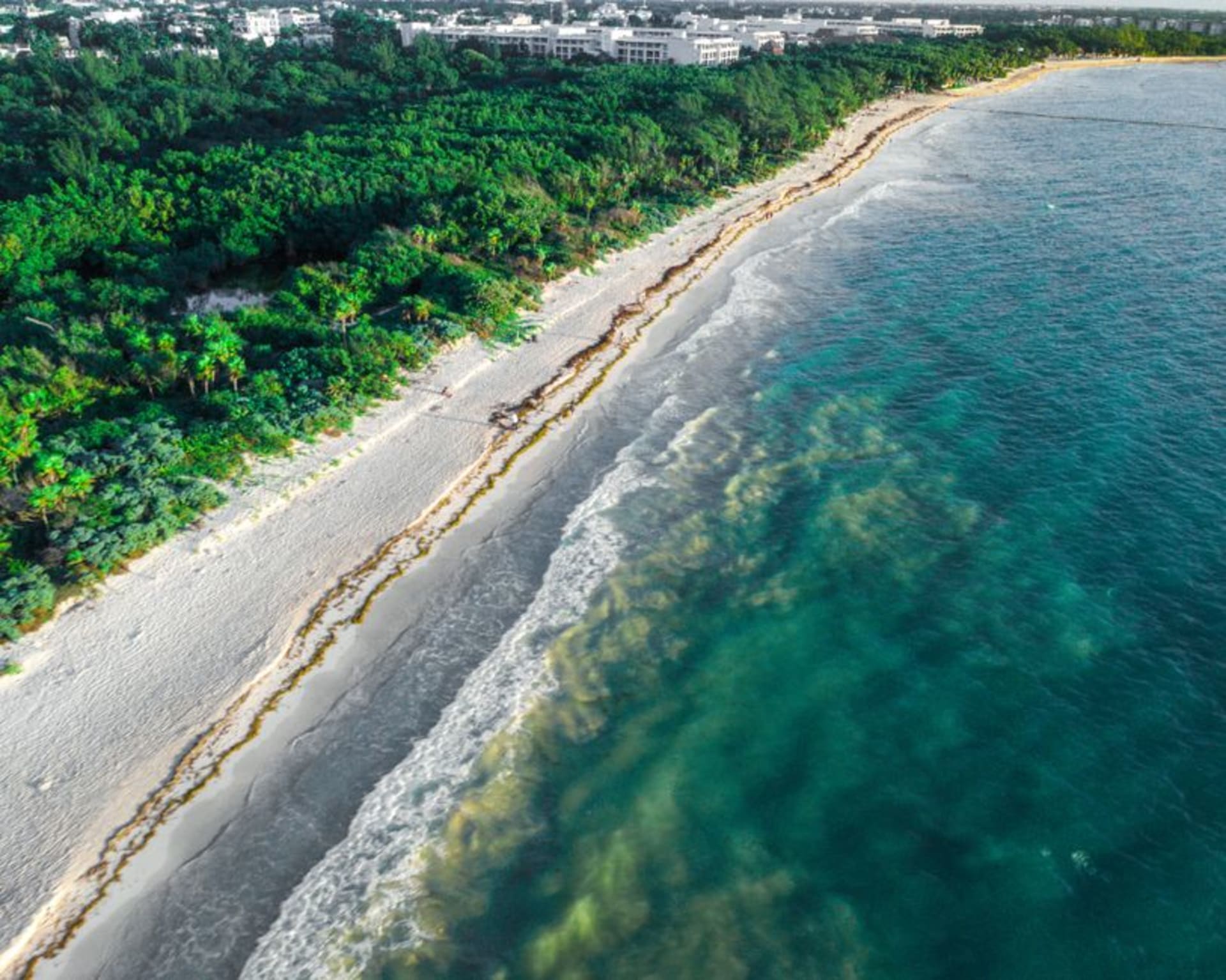
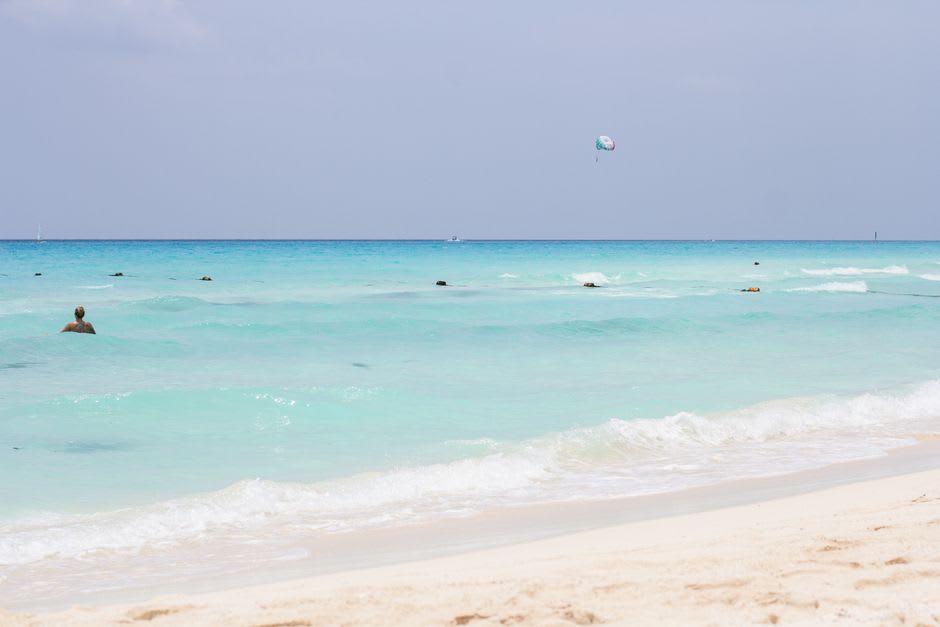
This is the city’s best feature, and it is free. The beach itself — Playa Mamitas at the north end, the quieter stretch below the ferry dock — is narrower than the brochures suggest, but the water compensates. The reef structure offshore keeps the surf gentle and the visibility clear enough to see your feet on the sand at two meters. Come back at noon if you want noise and a sunbed. Come at six if you want the place to yourself.
Where the Workers Eat
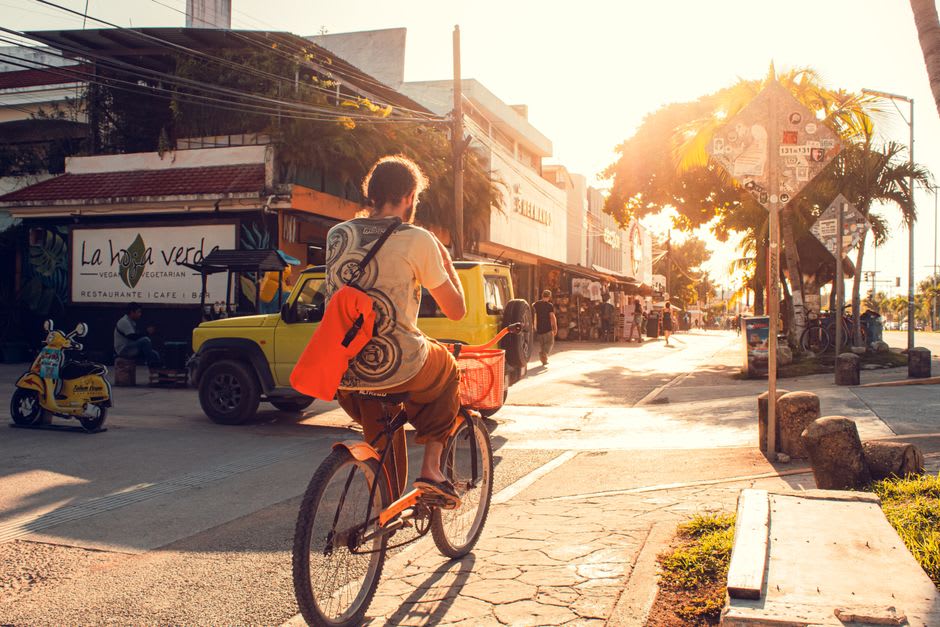
La Quinta Avenida is unavoidable and not entirely without merit — there are decent taco stands operating behind the souvenir shops if you know which side streets to take — but the real eating in Playa happens one or two blocks east or west of it, and earlier in the morning than most tourists are awake. On Avenida 10, between Calle 2 and Calle 6, there are a handful of small comedores that open at seven. I followed the smell of frijoles negros one morning and ended up at a plastic-table spot with a handwritten menu board and a plate of huevos motuleños that cost me sixty pesos. The ferry workers at the table beside me were comparing phone videos of the previous night’s football match. Nobody looked up at the tourist with the notebook. That is the benchmark I use for whether a place is actually local: whether the people who live there eat there without noticing you.
Twenty Minutes from the Shore
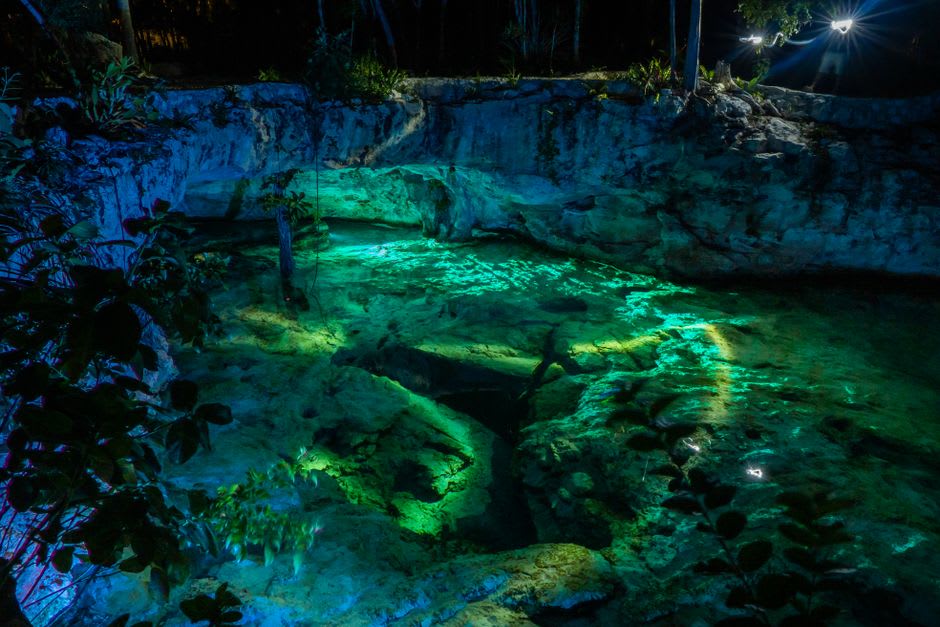
Inland from the beach, the jungle starts faster than you expect. The road west on Federal Route 307 passes through a landscape that feels genuinely wild even from the window of a colectivo. You do not need to go far. Cenote Cristalino is twenty minutes from the ferry terminal by taxi — a spring-fed pool in a limestone outcrop where the water is cold enough to make you gasp and clear enough to see the submerged roots of the trees hanging over the edge. I went on a Tuesday in November and shared it with two other people. If you go on a Saturday in February, adjust your expectations accordingly. The Yucatán’s cenote network extends beneath most of the peninsula; Playa del Carmen happens to sit at a convenient entrance point, which is something the city rarely advertises about itself.
Getting There
Cancún International Airport is forty-five minutes north by car or ADO bus; buses run frequently and cost around 300 pesos. Colectivos along Federal Route 307 connect Playa to Tulum, Akumal, and most of the Riviera Maya corridor. The best months are November through February — manageable heat, finished hurricane season. High season peaks in December and March; book accommodation early for both, or expect to pay twice as much for half as much quiet.