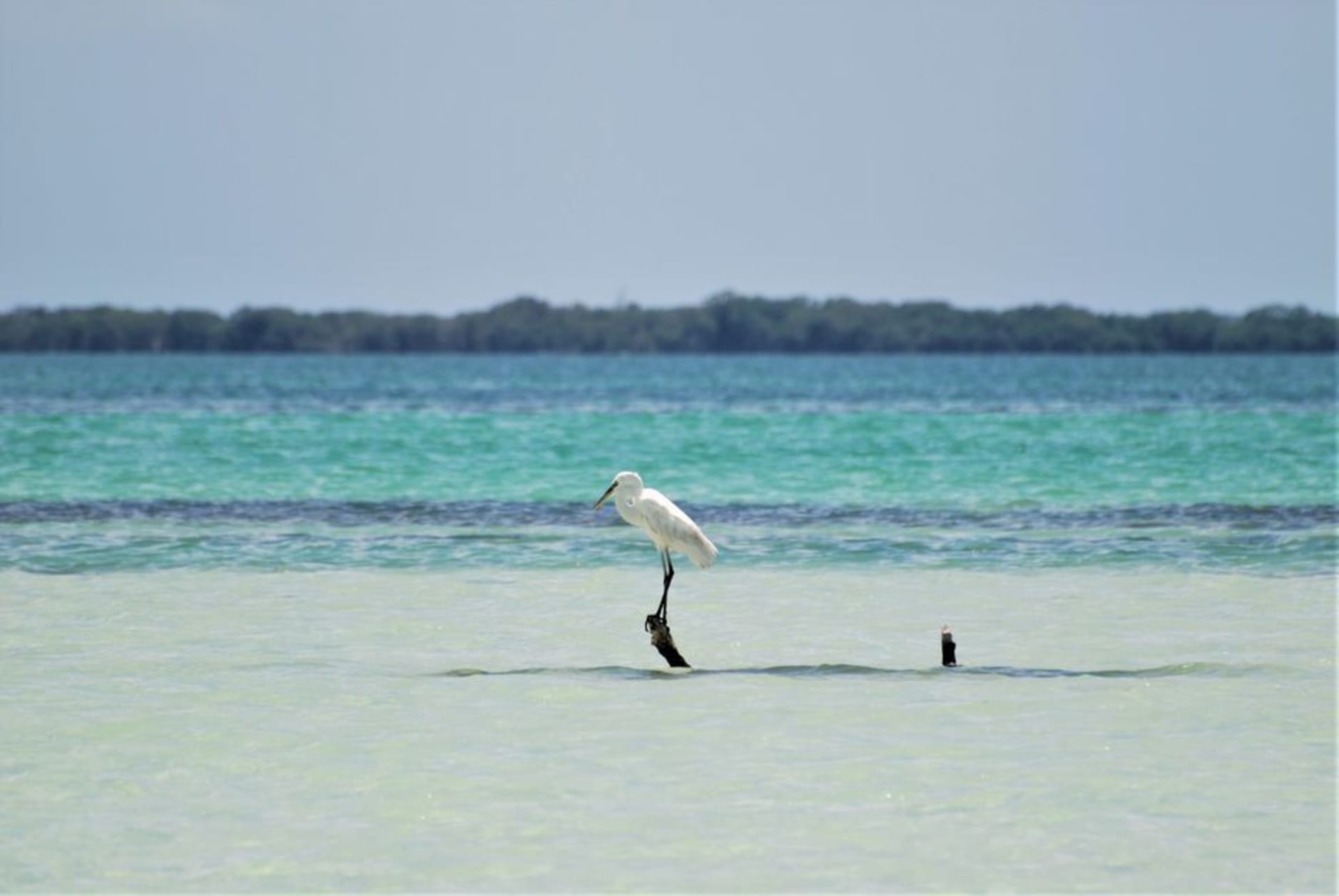
Isla Contoy
"It is one of the few places left in the Caribbean where you feel genuinely small — not because of the ocean but because of the birds."
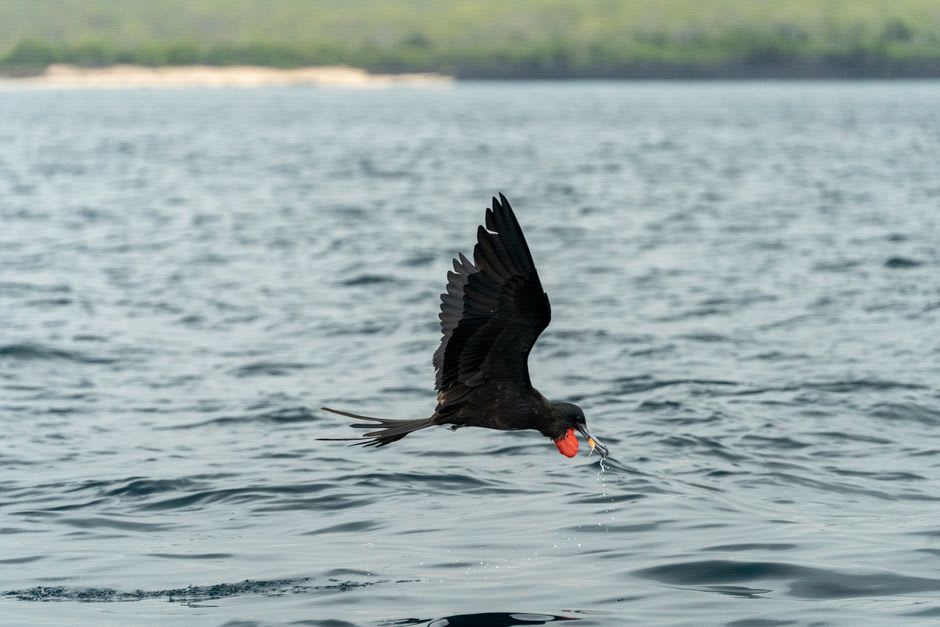
I booked the tour from Isla Mujeres on a Tuesday because the Saturday slots had been gone for weeks. The panga left the dock at seven in the morning, the sky still pink at the edges, and by the time we cleared the northern tip of the island and the open water opened up ahead of us, I understood why people plan months in advance for a place that is, by the map, barely two hours from Cancún. The engine noise dropped. Someone pointed. Above us, a magnificent frigatebird hung motionless against the blue like it had nowhere it needed to be.
A Canopy That Moves
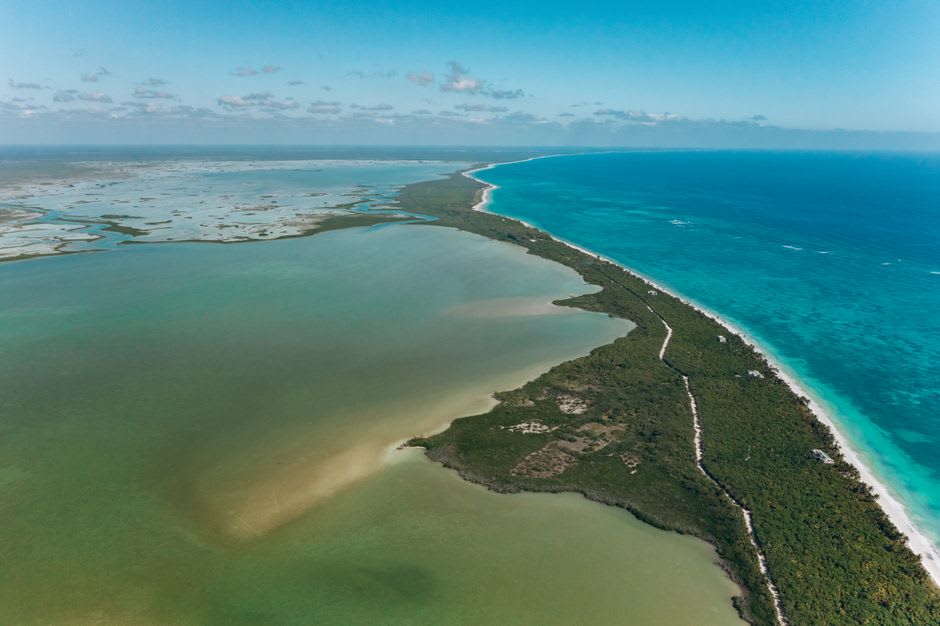
Isla Contoy is a national park and a biosphere reserve, and the Mexican government takes both designations seriously enough that only 200 people are allowed ashore each day. The island itself is about eight kilometers long and mostly mangrove, scrub, and low coastal forest — none of it dramatic until you walk the boardwalk into the interior and realize the canopy is not still. It is covered in nesting frigatebirds, their red throat pouches inflated in that implausible way, and beneath them the brown boobies crowd every horizontal surface. Our guide, a birder named Alejandro who works out of the Cooperativa Isla Mujeres, named species without pausing. Neotropical cormorants. Royal terns. Laughing gulls massing along the sand spit to the west. The roseate spoonbills, he explained, tend to appear in the late afternoon when the light goes gold — a detail I filed away and then confirmed at four-fifteen, standing at the observation tower while three of them crossed the lagoon in slow, deliberate wingbeats, pink against the mangrove.
The Permit System Is the Point
The thing nobody tells you when you start looking up Isla Contoy is that you cannot simply show up. There is no ferry, no independent access. You book through one of the licensed tour operators from Isla Mujeres or Cancún, they obtain the park permit, and the numbers are enforced. On the day I visited there were perhaps sixty people on the island at once — spread across the beach, the boardwalk, the tower — and the effect was something I have not experienced elsewhere in the Caribbean: genuine quiet. The birds were louder than the tourists. Midday, the tour includes time to snorkel off the northern point, where the water is the kind of transparent that makes you distrust your own depth perception, and a lunch the operators prepare on board — fresh ceviche, rice, grilled fish. Simple, cold beer, the sun high by then and the shade of the boat’s canopy doing most of the work.
What to Carry, What to Leave
Reef-safe sunscreen only — the park entrance checks, and they mean it. I brought a polarizing filter for my camera and it earned its weight: the light off the water at ten in the morning is blinding, and the birds in the canopy are shadowed and fast. Binoculars are worth more than any camera here unless you shoot with long glass. Alejandro lent me a pair when mine fogged up, and I spent forty minutes at the tower not photographing anything at all, which turned out to be the right decision. The island does not reward impatience or distraction. It rewards paying attention.
Getting There
Tours depart from Puerto Juárez in Cancún and from the main dock on Isla Mujeres. Operators including Cooperativa Isla Contoy and several registered agencies on Isla Mujeres run full-day trips, typically leaving between 7:00 and 8:30 a.m. and returning by late afternoon. Book at least a week ahead in high season, two weeks or more in winter. The permit is included in the tour price.