Cozumel
"Jacques Cousteau filmed here in 1961 and called it one of the most beautiful dive sites in the world. The reef has degraded since then. It is still one of the most beautiful dive sites in the world."
Cozumel is the island that divers talk about the way surfers talk about Pipeline — as a defining experience of what the ocean can be when the conditions are right. Jacques Cousteau brought a film crew here in 1961 and made a documentary that introduced Cozumel’s reefs to the world; the subsequent fifty years of diving tourism have changed the island and put pressure on the reef, and yet the Mesoamerican Barrier Reef — the second-largest coral reef system on Earth, after Australia’s Great Barrier Reef — runs the entire western coast of Cozumel in water of such clarity that the reef’s colors are visible from the surface.
The island sits 19 kilometers offshore from Playa del Carmen, accessible by ferry in forty-five minutes. Most of Cozumel’s tourist infrastructure faces west (the calm side, protected from the prevailing Caribbean wind), while the eastern shore faces the open Caribbean with surf beaches and reef breaks that see almost no visitors.
The Diving
Cozumel’s diving advantage is a combination of factors that are difficult to replicate: the Cozumel Channel between the island and the mainland funnels a powerful north-to-south current along the western reef wall, creating the conditions for drift diving — a technique where divers descend onto the reef and let the current carry them along the wall, covering distance effortlessly while the reef passes at the speed of a slow walk.
The current brings nutrients that maintain the coral and the fish life; on a good day the visibility extends 30-40 meters in every direction. The wall drops from 5 meters at the top to beyond recreational diving depth at the base, and the transition from the shallow hard coral gardens to the deep wall with its black coral trees and large pelagics (eagle rays, sea turtles, nurse sharks in the sandy channels) happens over a few meters of depth.
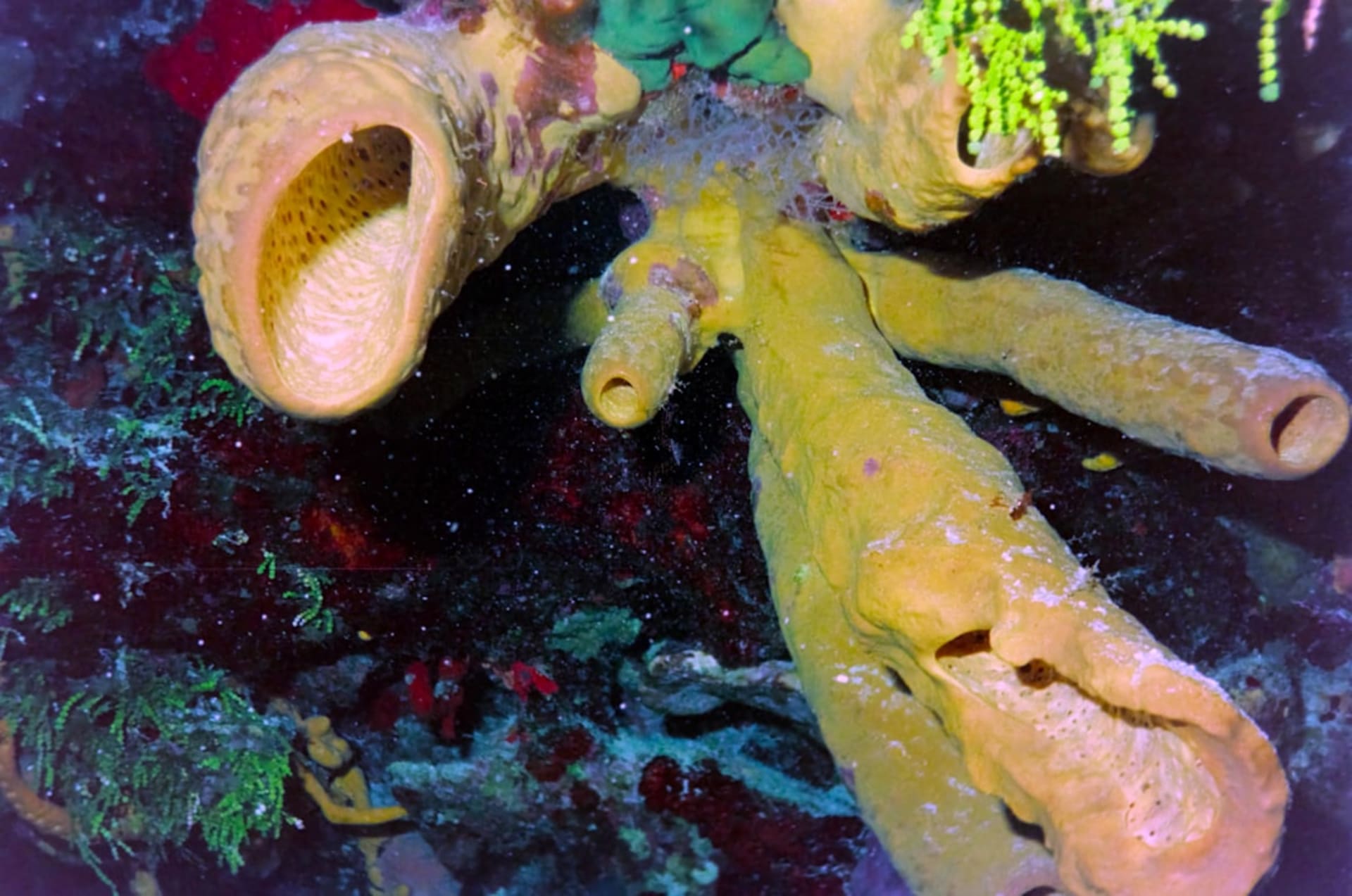
Palancar Gardens — the most celebrated dive site on the island — is a system of coral pinnacles and swim-throughs at 10-25 meters, covered in brain coral, elkhorn coral, and the sponge life that indicates a healthy reef. The formations are large enough to navigate between on a single tank without repeating sections.
Santa Rosa Wall — the most vertical section of the reef, a sheer drop where the current is strongest. Drift diving here at the right state of tide, the wall going past like a living escalator: this is what Cousteau filmed in 1961.
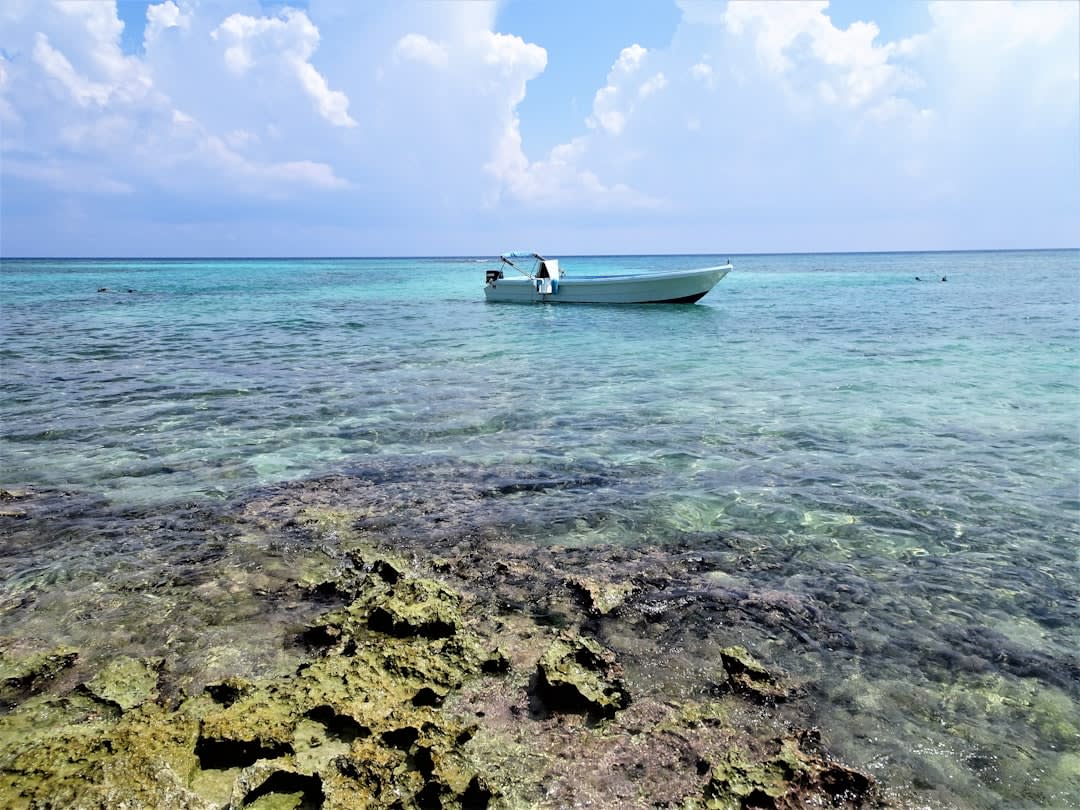
For non-divers: snorkeling on Cozumel’s shallow reef (the top of the wall begins at 3-5 meters in many spots) provides access to the same fish life and coral formations that make the diving famous. The current is manageable in the shallow zone and the visibility is the same.
The Island
San Miguel de Cozumel — the island’s only town, on the western shore — is a port town organized around the cruise ship pier and the dive operations. The cruise ship infrastructure (jewelry stores, tequila shops, the pier mall) occupies the immediate waterfront; two blocks inland the town is a normal Mexican city of supermarkets, taco stands, and residents going about their days.
The Sunday tianguis market in the town plaza is a genuine local market of produce, crafts, and street food that operates alongside but separate from the tourist economy. The carnitas stand near the market that has been in the same spot since the 1970s: three preparations of pork (maciza, surtida, cueritos) in corn tortillas, with pickled habanero and red onion, eaten standing at a folding table. This is the correct breakfast before a dive.
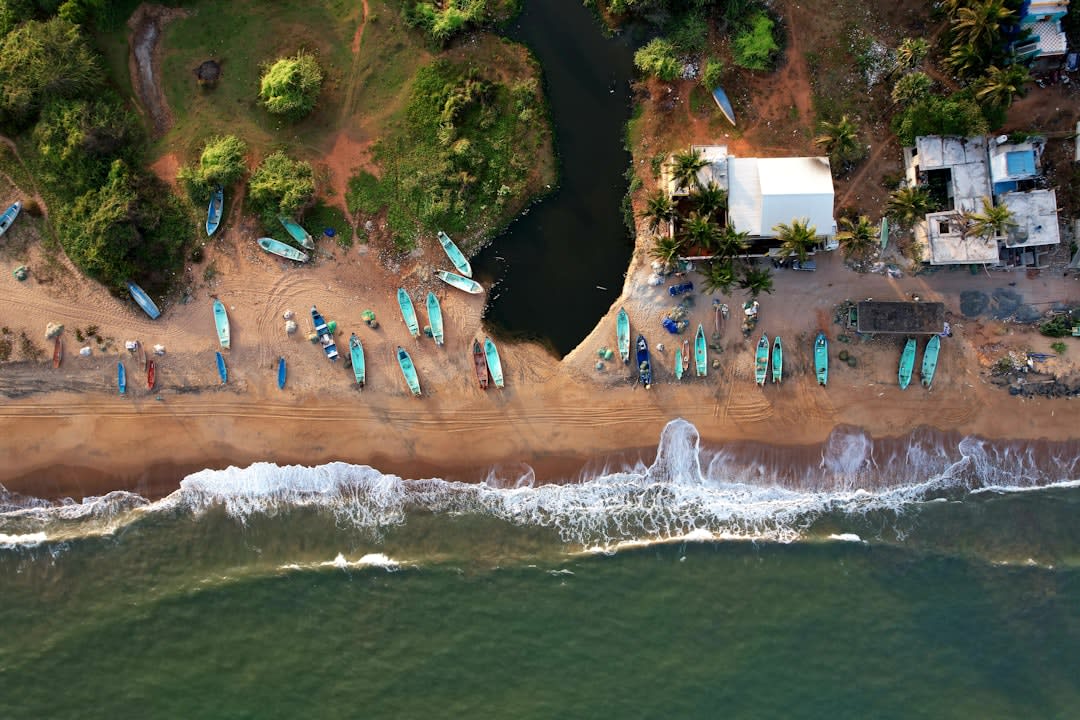
The eastern shore road runs the length of the island’s Caribbean-facing coast through scrub jungle and past reef-break surf beaches (Playa Chen Río has a protected cove for swimming; the other beaches are for watching the surf). The road is empty except for the occasional local cyclist and has the specific quality of Caribbean wilderness accessible from a tourist island.
Getting there: Ferry from Playa del Carmen (45 min, frequent) or from Puerto Morelos. Direct flights from Mexico City, Cancún, and US cities to Cozumel airport. The island is small enough to explore by rented scooter or car.
When to go: November through April for calmest weather and best visibility. June-September is hurricane season (the reef dives continue in non-storm conditions but August-October carries real risk). The summer months have warmer water and more whale shark sightings offshore.