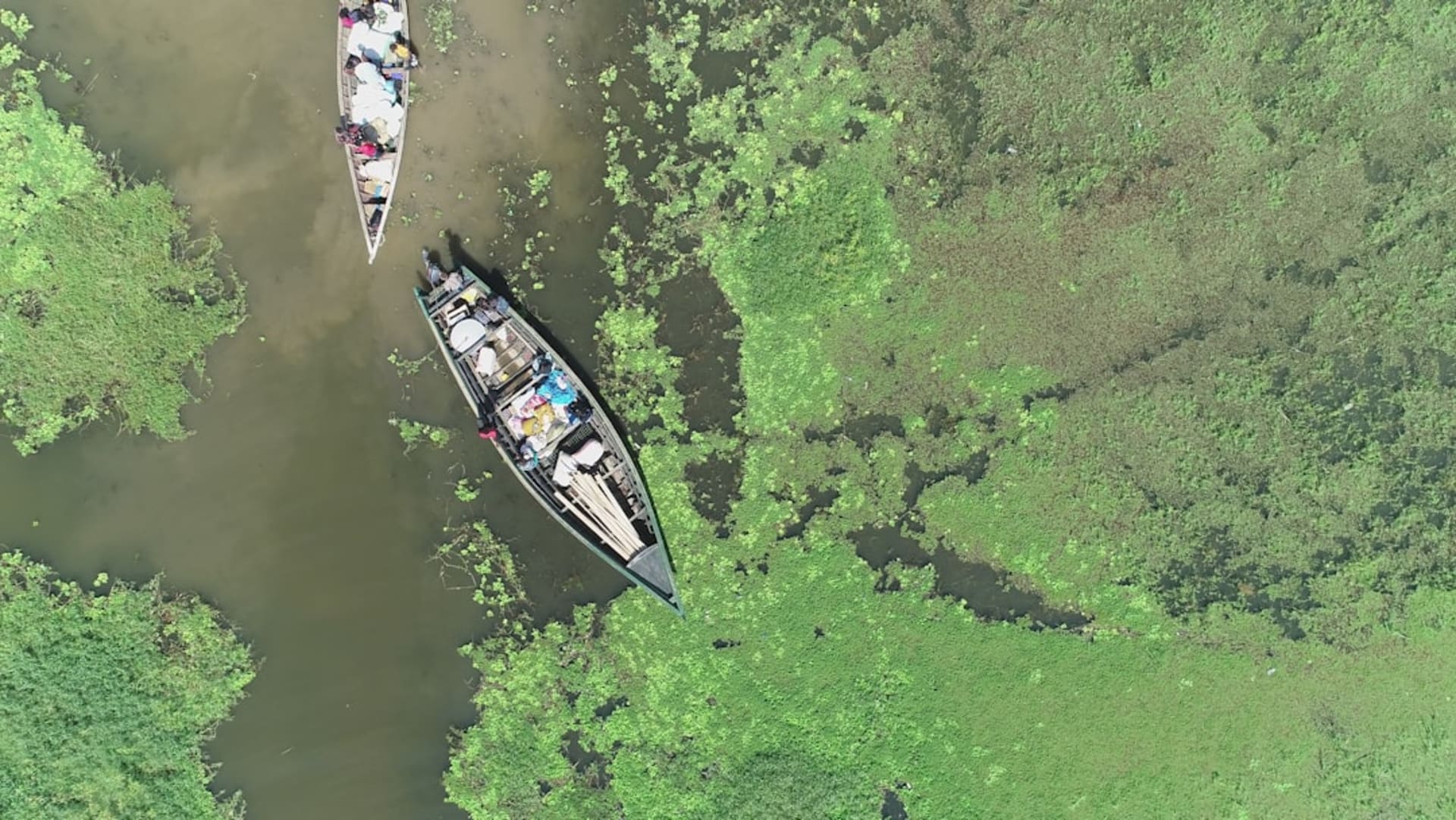
Laguna Bacalar Stromatolites
"I floated above three-billion-year-old life and thought about how small everything else is."
I had been in Bacalar two days before a local naturalist guide, Rodrigo, mentioned the stromatolites almost as an aside — the way you mention something you assume everyone already knows. I did not know. The next morning I rented a kayak from a palapa near the Calle 14 dock before seven, when the light comes in flat from the east and the tour boats are still sleeping, and paddled south into the Canal de los Piratas. What I found in the shallows there rearranged something in my head that has not quite settled back into place.
The Oldest Living Things You Will Ever Swim Near
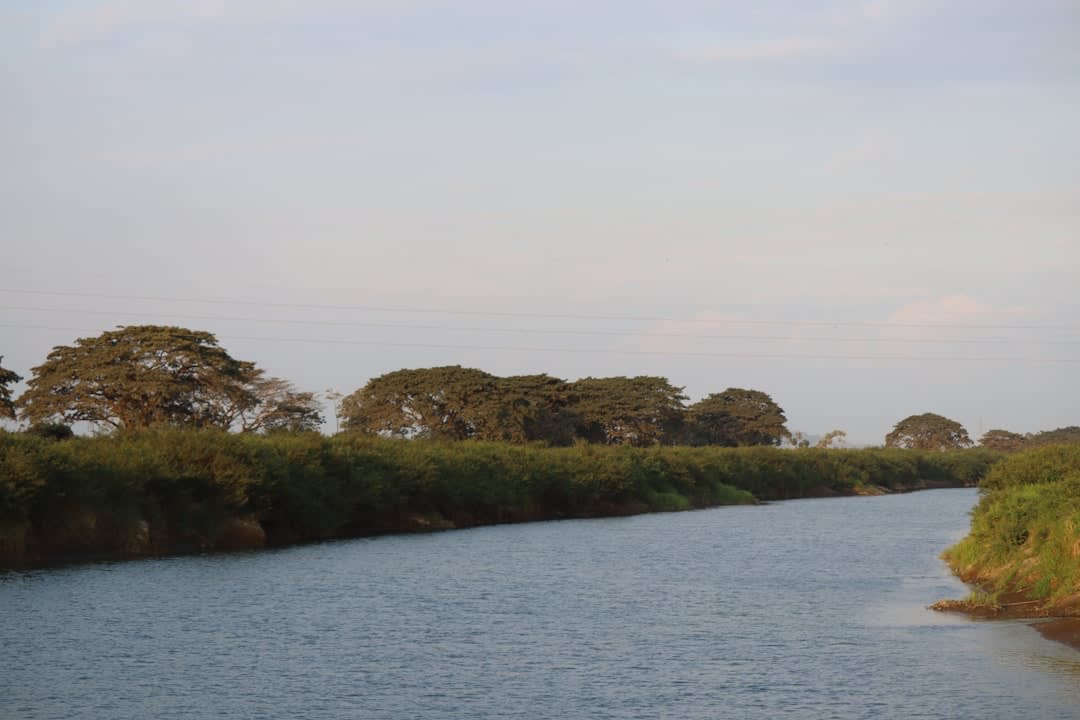
Stromatolites are microbial mats — colonies of cyanobacteria — that build themselves into rocky mounds over millennia. The ones in Bacalar are among the few living examples in the world, and some of the formations are estimated to be hundreds to thousands of years old, part of a lineage of organisms that stretches back roughly three billion years. They are the reason Earth’s atmosphere has oxygen. Floating above them in clear, waist-deep water, I could see the dark, cauliflower-textured domes clustered across the sandy bottom like something from a different planet. The shapes are irregular, almost deliberate, and the water between them is so clear that the refraction plays tricks. You keep thinking something is about to move. Nothing moves. That stillness is part of it — these things grew at a pace that makes geological time feel rushed.
How to See Them Without Ruining Them
The thing nobody tells you at the pier is that the stromatolites are fragile in a way that is easy to underestimate. A single footstep on a colony can set back decades of growth. Rodrigo was firm about this: you float, you do not stand, you do not anchor a boat on them. The canal’s southern section near Isla Chica is the most accessible zone by kayak, and the water is shallow enough to snorkel comfortably. I wore a rash guard because the sun by nine in the morning is already serious, even in November. Go early — by midday the tour lanchas come through and the wash disturbs the visibility. A guided kayak trip takes around two hours and is worth every peso for the orientation alone; doing it alone without knowing where to look means you will probably paddle right over them and see nothing.
What Bacalar Looks Like From the Water at Dawn
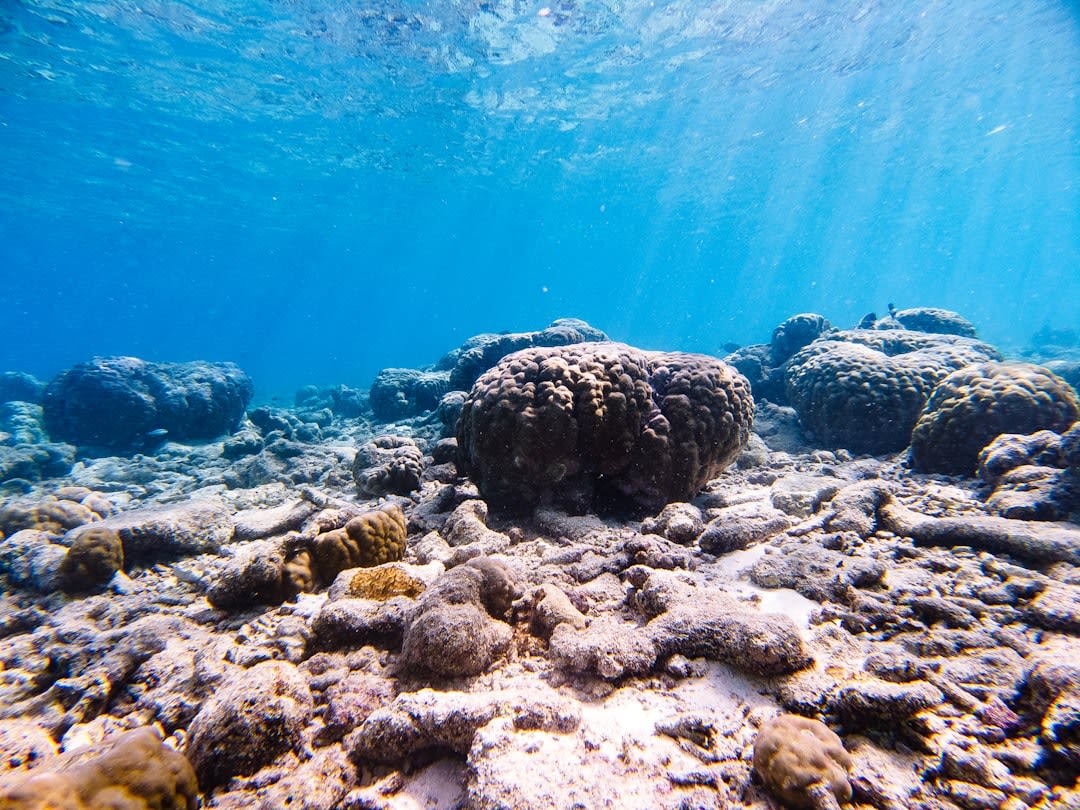
The canal in early morning is a different lagoon from the one the Instagram grid knows. The famous seven shades of blue are real, but at six-thirty they are more grey and copper, the colors shifting as the sun clears the tree line. Herons work the shallows. The fortress, the Fuerte de San Felipe, sits quiet on the hill. I paddled back north slowly, stopping at a small dock near Calle 22 for coffee from a woman who opens her window at seven and does not have a name on the sign. The stromatolites were behind me in the water, doing exactly what they had been doing before I arrived.
Getting There
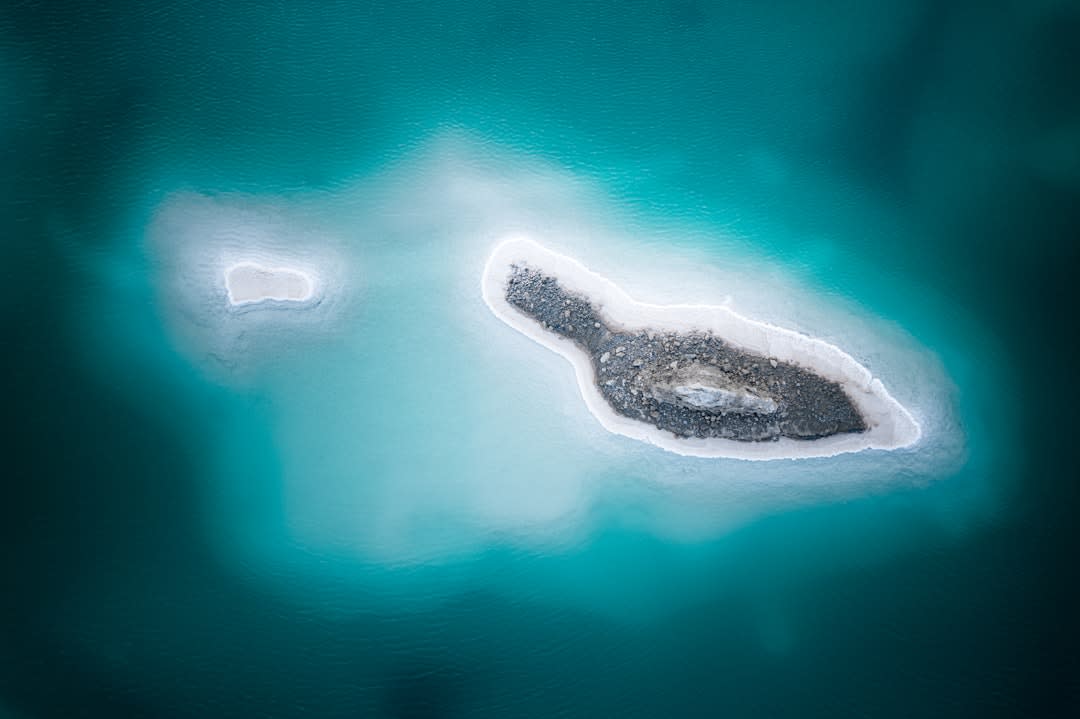
Bacalar is roughly 40 minutes south of Chetumal by colectivo from the terminal on Avenida Insurgentes. From Bacalar town, the Canal de los Piratas is a 20-minute kayak south of the main pier. Several outfitters near Calle 14 rent kayaks by the hour; guided stromatolite tours depart around 7 a.m. and run two to three hours. Confirm the guide has a permit — unregulated entry to the colony zones is restricted.