
Mineral de Pozos
"I spent an afternoon watching a man grind a deer bone into a flute in the courtyard of a roofless hacienda — Mineral de Pozos is the kind of place that specializes in afternoons like that."
Mineral de Pozos is hard to categorize, which is probably why it has survived. I arrived on a Saturday morning in March, coming off the toll road from Querétaro city through a landscape that turns the color of old copper coins as you head north. The town announced itself with a water tower and then a scatter of stone buildings, some roofed, most not. A dog crossed the main plaza at the pace of someone who had nowhere to be. That struck me as the right introduction to a place that had already waited a hundred and fifty years for visitors who didn’t quite know what to do with it.
The Ruins Are the Point
The silver and copper ran out around 1910, roughly when the Revolution made everything else run out too, and Mineral de Pozos emptied with unusual thoroughness. What remained were the mine shafts — some still open to the sky, fenced loosely with wire that doesn’t particularly discourage curiosity — and the hacienda walls, which stand two and three stories in places but have long since surrendered their roofs. The effect is less melancholy than you’d expect. The high desert light does something to roofless stone buildings: it fills them the way it fills canyons, making the absence of a ceiling feel architecturally intentional rather than catastrophic. I walked into the Hacienda del Cinco Señores on a Tuesday afternoon and found it occupied only by a man painting watercolors in one corner and a cat sleeping in another. The colonial boom-and-bust cycle — the thing that shaped most of central Mexico without anyone ever drawing a map of it — is completely legible here. No interpretive panels, no audio guides. Just walls, and the desert pressing in at the edges.
Bone Flutes and Clay Ocarinas
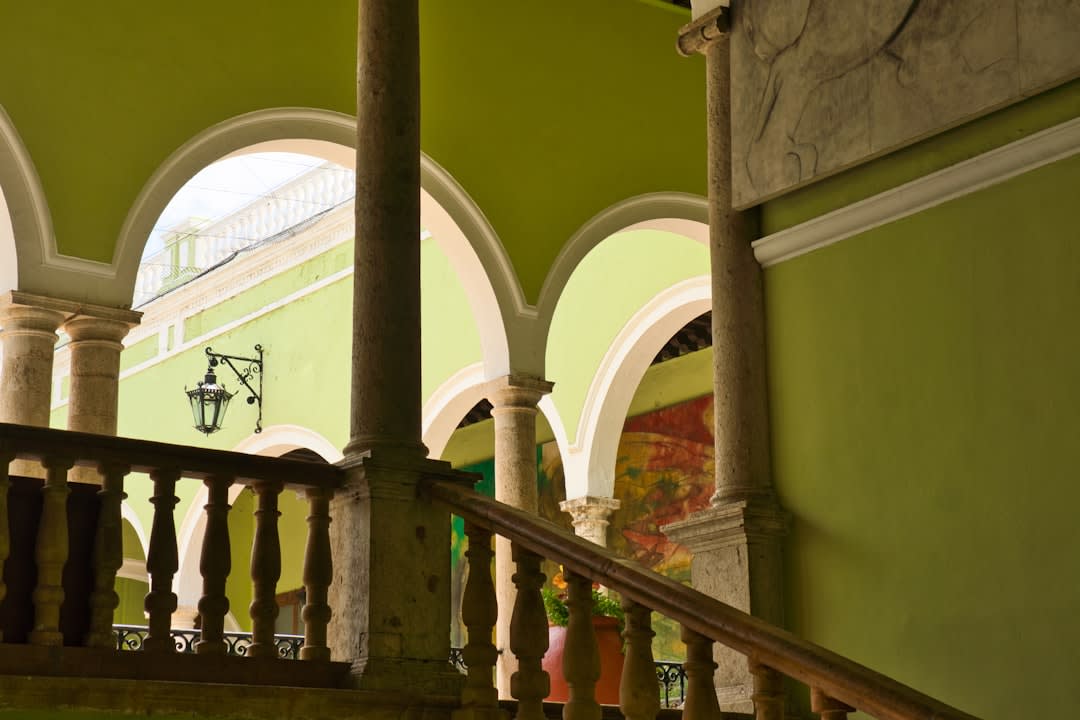
The slow resurrection of Pozos is, in large part, a musicians’ project. Workshops selling pre-Hispanic instruments — bone flutes made from deer leg, clay ocarinas shaped like owls and fish — have settled into the ruins with what looks like permanence. The afternoon I keep returning to in my head happened in a courtyard off Calle Cinco de Mayo, where a man named Alejandro was grinding a deer bone against a flat stone with the patience of someone who has been doing this for decades and has no intention of stopping. He sold me a double flute for 280 pesos and played it first to demonstrate the range, which was four notes and considerably more expressive than I expected. The small market ringing the main plaza — quieter than Oaxaca’s Mercado de Artesanías, more serious than the souvenir rows in San Miguel — has the same quality. The craft here is not decorative. It is functional in a way that the ruins behind it make difficult to dismiss.
Where the Day Anchors
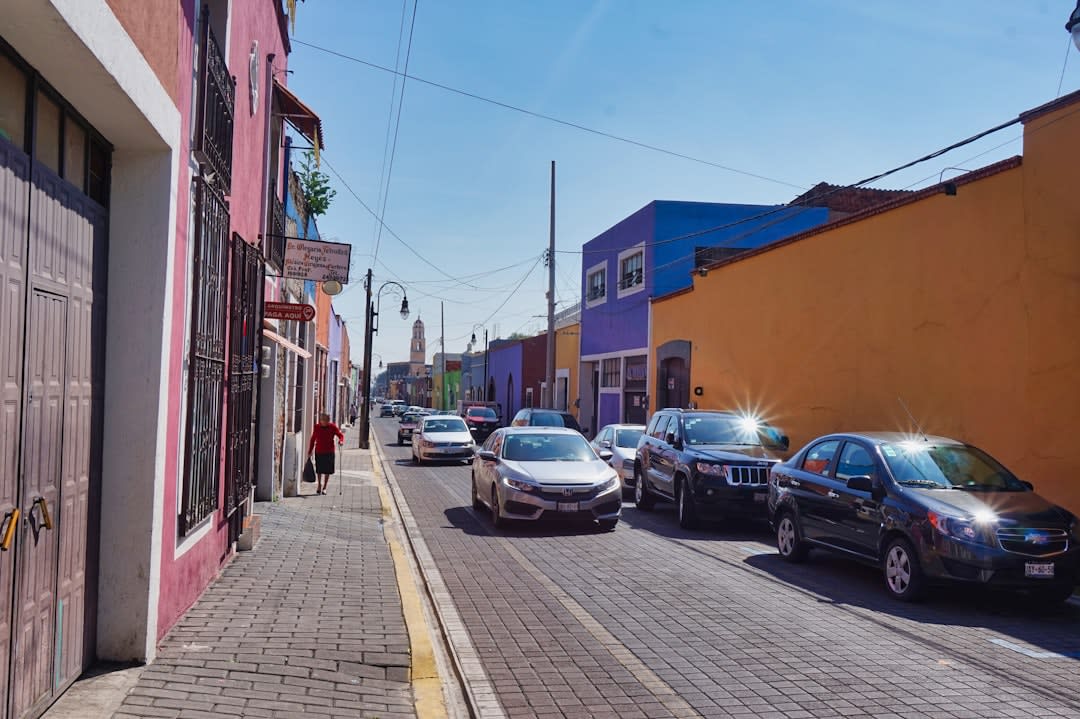
The restaurant situation in Pozos is spare, which focuses the mind usefully. Las Delicias on the plaza serves decent enfrijoladas and a goat barbacoa on Sundays that arrives in clay wrapped in maguey leaves — I ate it standing at a folding table because the seating was full by eleven. For a room, Casa Montana has a garden that looks like it was transplanted from somewhere in southern Portugal; breakfast is included and appears without being requested. For an afternoon drink, the mezcalería past the parish church on the corner stocks several local agaves I couldn’t identify, poured by a man who seemed genuinely relieved to be asked about them.
Getting There
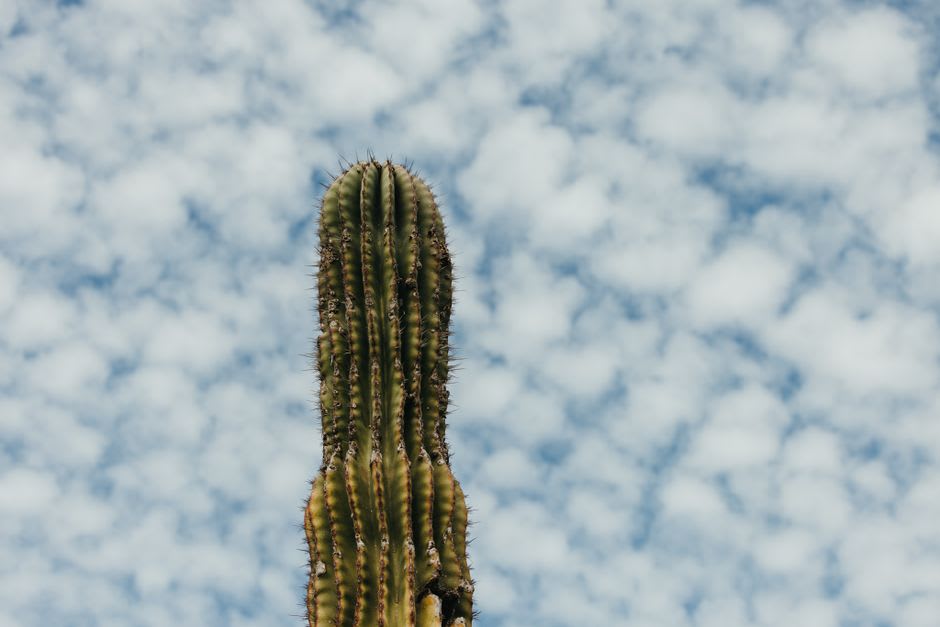
Mineral de Pozos sits about two hours by car from Querétaro city and forty minutes from San Miguel de Allende. There is no direct bus from Querétaro — take a first-class service to San Luis de la Paz and negotiate a taxi from there, roughly 25 minutes and 150 pesos. Altitude is around 2,200 meters. The dry season from October through April is most comfortable, though the summer storms roll in fast from the north and look spectacular from a covered courtyard.