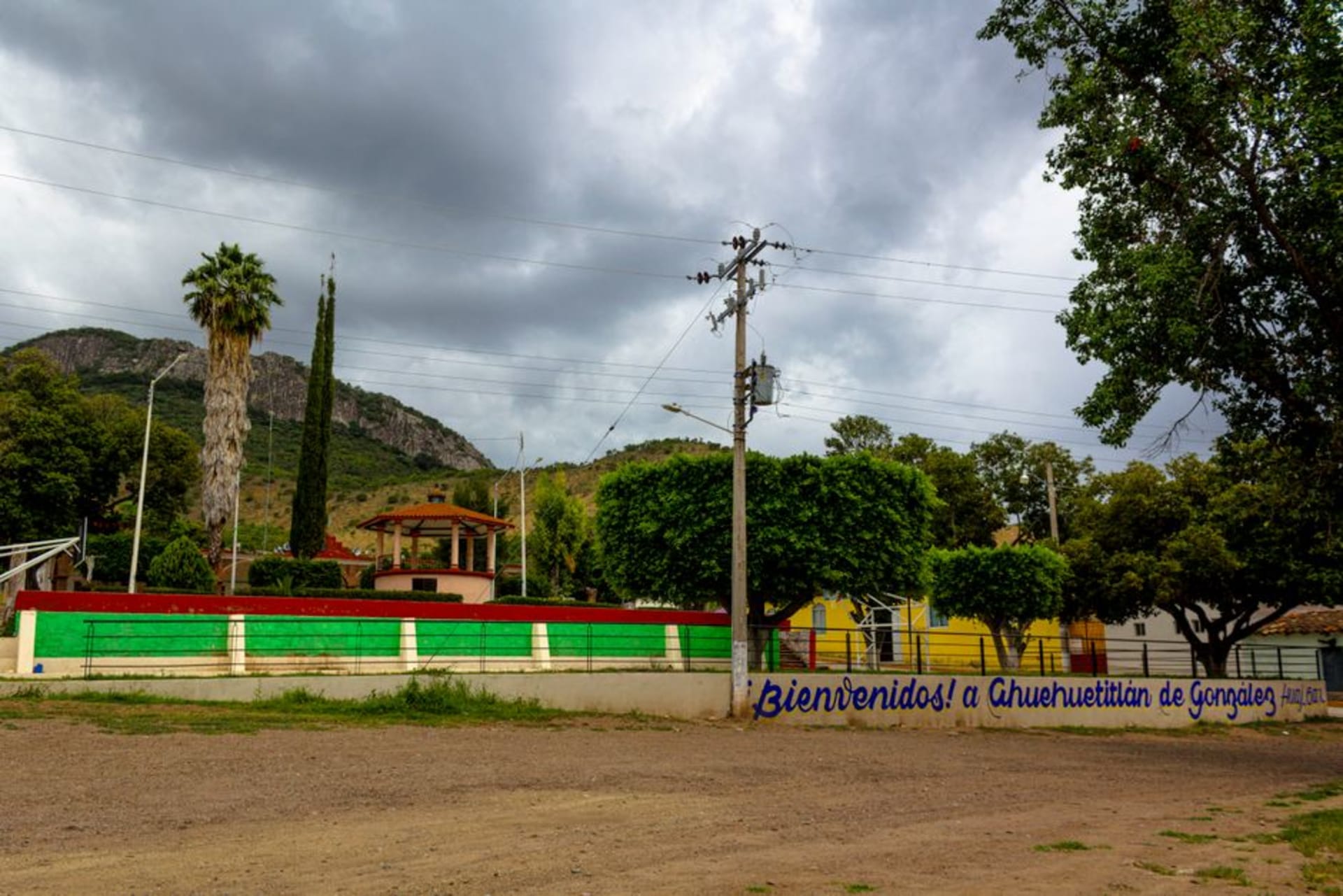
Cienega de González
"I found this place through a birding forum. The coordinates led to a cattle gate and a muddy track. What was on the other side made it completely worth it."
I found the Cienega de González the way you find most places worth finding in Mexico — not through a guidebook but through a forum thread from 2019, where someone from San Antonio had posted GPS coordinates and the phrase “do not miss this if you are within 200 kilometers.” I was about 180. The coordinates dropped me at an unmarked cattle gate off a state road south of Monterrey, with a handwritten sign advertising cheese that had nothing to do with birds. I parked, climbed over, and walked a muddy track for ten minutes into the reeds. The sound hit me before the view did: a wall of calls, splashing, wing-beats.
The Birds
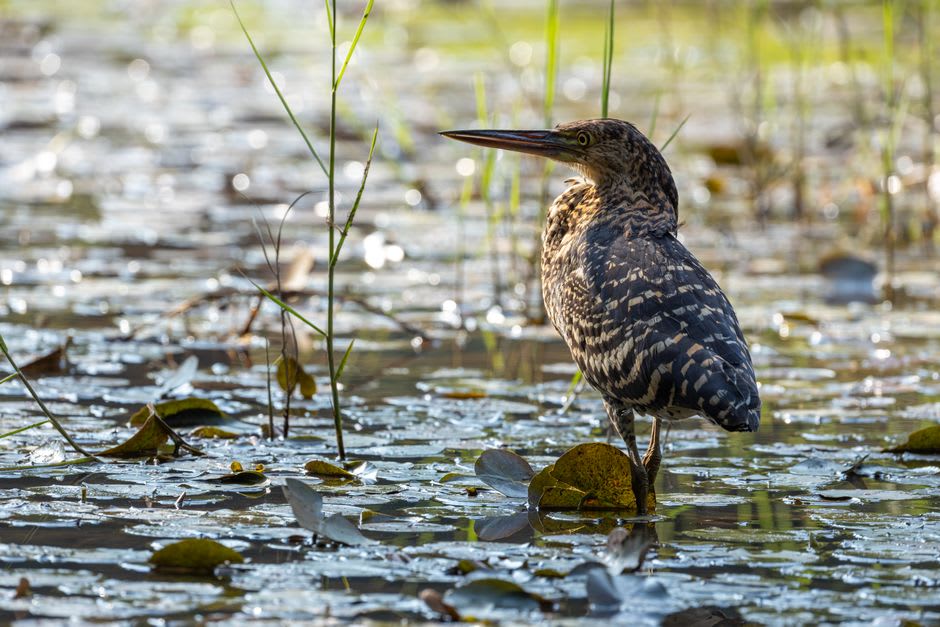
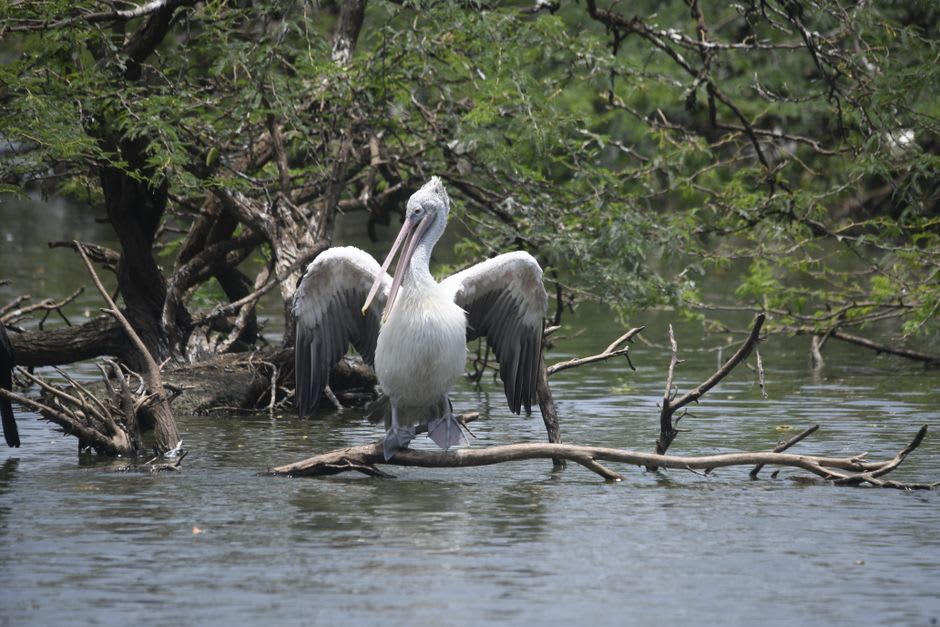
The wetland itself is a broad, shallow depression fed by drainage off the Sierra Madre piedmont — the kind of habitat that is increasingly rare in Nuevo León, which is mostly dry scrub and ranching country. What that means for birds is remarkable concentration. Great blue herons stand motionless in the shallows at first light. Snowy egrets stalk the reed margins. On my first visit, I counted four species of duck in under an hour without moving from a single mud bank, including a ruddy duck that a birder I mentioned it to later called almost embarrassingly easy to find. The reeds hold marsh wrens, and if you sit quietly — really quietly, not Texas-birder-with-a-tripod quietly but genuinely still — a least bittern will eventually step out and look at you with what I can only describe as professional disdain. Rarities turn up enough to keep the eBird hotspot active. Bring rubber boots and the patience to let the place come to you.
The Silence Around It
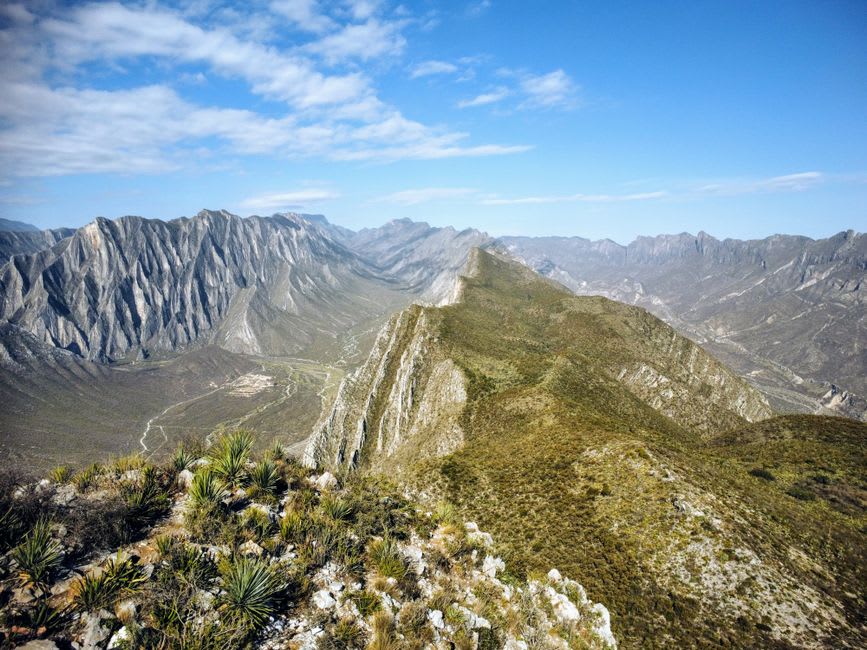
What I did not expect was how much the surrounding landscape would matter. The sierra forms a pale wall to the west. The cattle gate, the cheese sign, the distant sound of a truck on the state road — all of it disappears once you are fifty meters into the reeds. Mexico has very few truly quiet places, especially within an hour of a city of five million. The Cienega has no infrastructure because no one has decided to build any yet, which means what you get is the wetland as it actually is: muddy, sometimes smelly, full of mosquitoes in summer, and extraordinary. I went back a second time in January, colder than I expected, and stayed three hours without speaking to a single person.
Timing and Practicalities
Early morning is not optional — it is the difference between an exceptional visit and a merely good one. I arrived both times before seven. Migration season, roughly October through March, brings the greatest variety. Summer is humid, mosquito-heavy, and still worth it if you want the breeding marsh birds. Bring water, food, and bug repellent. There is nothing to buy nearby.
Getting There
From Monterrey, take the highway south toward Linares and turn off toward the town of González. The wetland access point sits along a secondary road — search “Ciénega de González” on iNaturalist or eBird for current GPS pins, which are more reliable than any address. A regular car will manage the approach in dry conditions; after rain, four-wheel drive helps. Allow ninety minutes from the city center.