Chalcatzingo
"I had driven past the Jantetelco turnoff four times before I finally stopped. The carvings are not small. They are not subtle. I stood there alone for forty minutes wondering how this place is not on every Mexico itinerary."
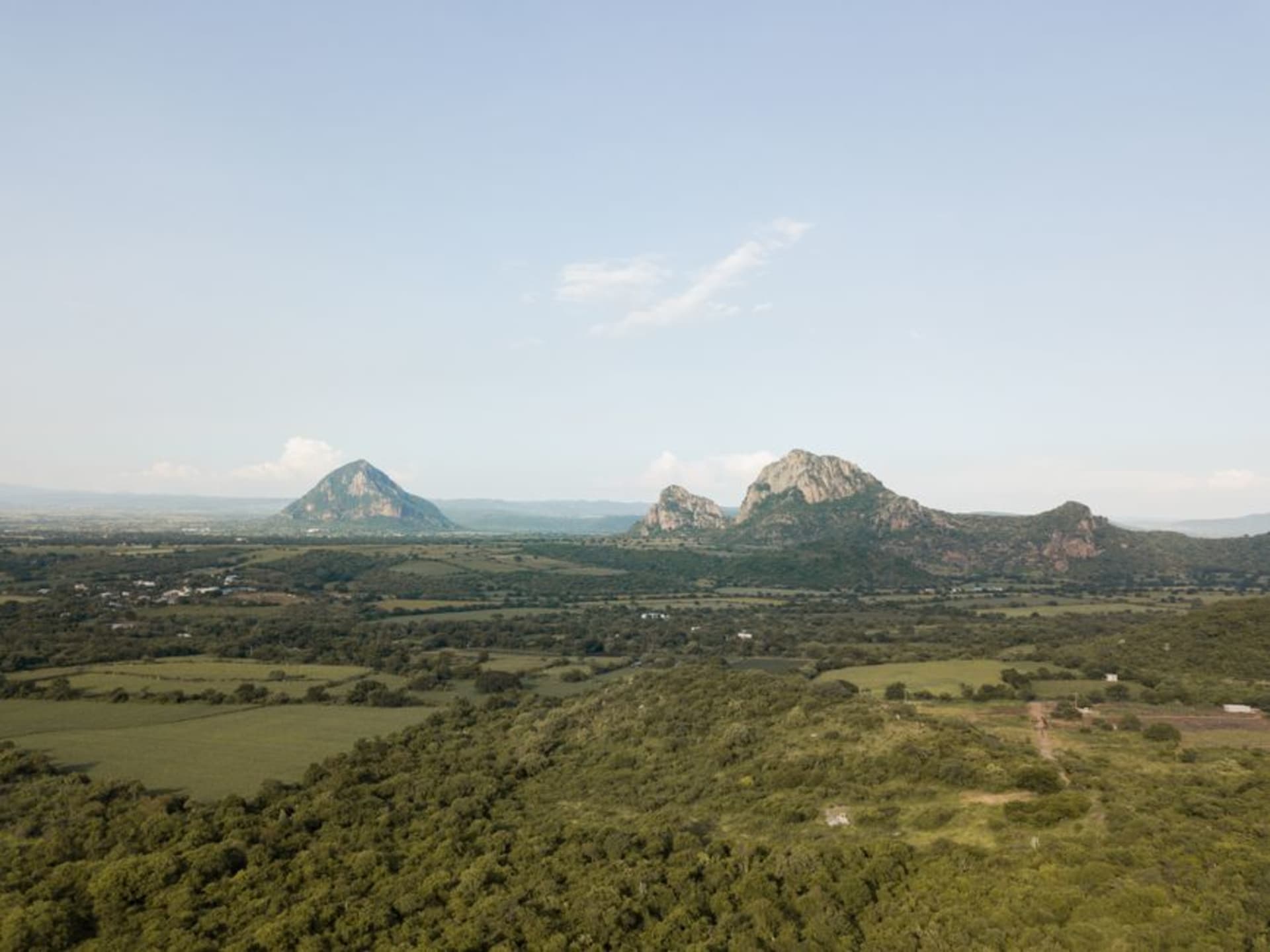
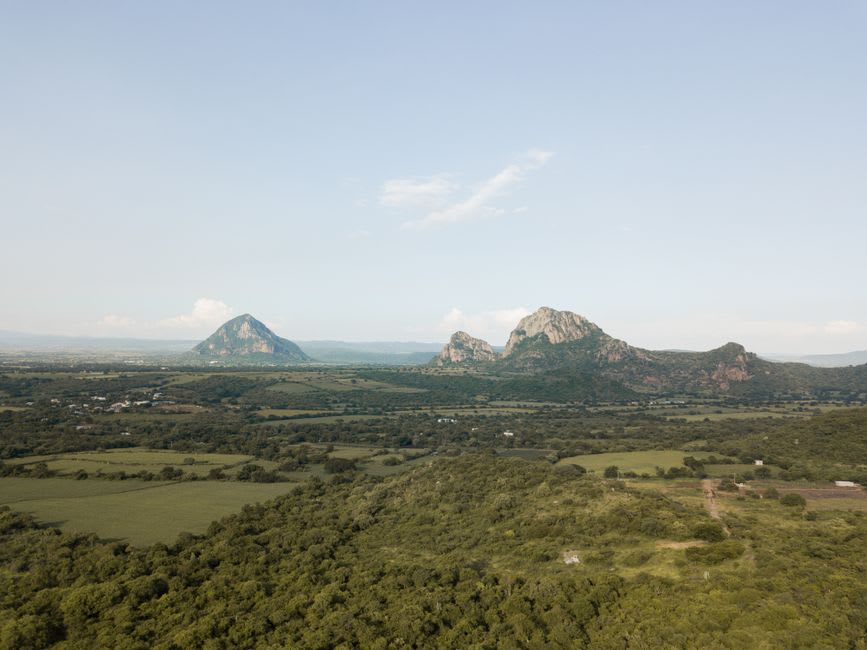
The road from Cuautla runs through flat sugar cane country, pale and bright under a late-morning sun. I had the Jantetelco turnoff saved on my phone and still nearly missed it — a small sign, no billboard, no suggestion of what waits twenty minutes down a secondary road through ejido farmland. What waits is a pair of volcanic hills rising abruptly from the valley floor, and carved into their basalt flanks: figures. Rain deities, seated rulers, jaguars. Mouths of caves that are also mouths of something less easily categorized. I arrived at half past nine on a Wednesday. The site attendant sold me a bottle of water and a photocopied map. I did not see another visitor for the next hour.
What the Rock Remembers
The bas-reliefs at Chalcatzingo date to the Middle Formative period, roughly 700–500 BCE, and represent one of the clearest expressions of Olmec iconographic influence outside the Gulf Coast heartland. The site sits in a rain shadow — evident the moment you look at the dry hillsides — which explains why the carvings are so overwhelmingly preoccupied with water. Clouds, rain, fertility, the supernatural mediation that brings the wet season: all of it is here, pressed into stone.
Monument 1 is the largest carving and the one that stays with you. A figure seated inside a cave mouth shaped like a stylized jaguar maw — the cave as portal, the interior as sacred space. Around the figure, volutes curl upward representing rain or breath, and the surrounding frame is composed of interlocking geometric bands that read as sky. It is compositionally sophisticated in ways I hadn’t prepared myself for. I kept stepping back to take it in whole, then stepping forward again to look at the individual cuts.
The path up the hillside takes around twenty minutes and involves real scrambling in places. The boulders are enormous — some the size of cars, some considerably larger — and the numbered marker stakes that identify each monument feel almost apologetic given the scale of what they’re pointing at. Bring shoes with grip. The basalt is smooth and steep in sections.
Cecina and the Road Back
The ejido of Chalcatzingo sits at the base of the cerros — a small farming community that has coexisted with this site for generations, the archaeology woven into the geography of daily life. The site museum at the entrance is modest and unhurried: a few ceramic pieces, scale models, reproduction drawings of the carvings that give useful context before you climb. I spent twenty minutes there and found it genuinely helpful rather than obligatory.
For lunch, Jantetelco is fifteen minutes back on the highway, a market town with a central plaza and a handful of comedores. I ate at one near the church: cecina morelense with rice and black beans, the pork sliced thin and air-dried in the style that Morelos does better than anywhere, served with a salsa verde that was still warm from the molcajete and a stack of handmade tortillas wrapped in a cloth. Morelos cuisine does not attract the same attention as Oaxacan or Yucatecan food in the travel press, which is its own kind of advantage — the cecina at that comedor cost me eighty pesos and was one of the better meals I had that month.
When to Go and What to Bring
Go in the morning. This is practical advice for Morelos generally — afternoons can be brutal — but at Chalcatzingo the hillside path offers no shade and the basalt absorbs heat quickly. I arrived at nine-thirty and was comfortable; by eleven the rocks were radiating noticeably. The dry season, October through April, is more comfortable for the climb and the light is better for photographing the carvings, which depend on angle and shadow to read clearly.
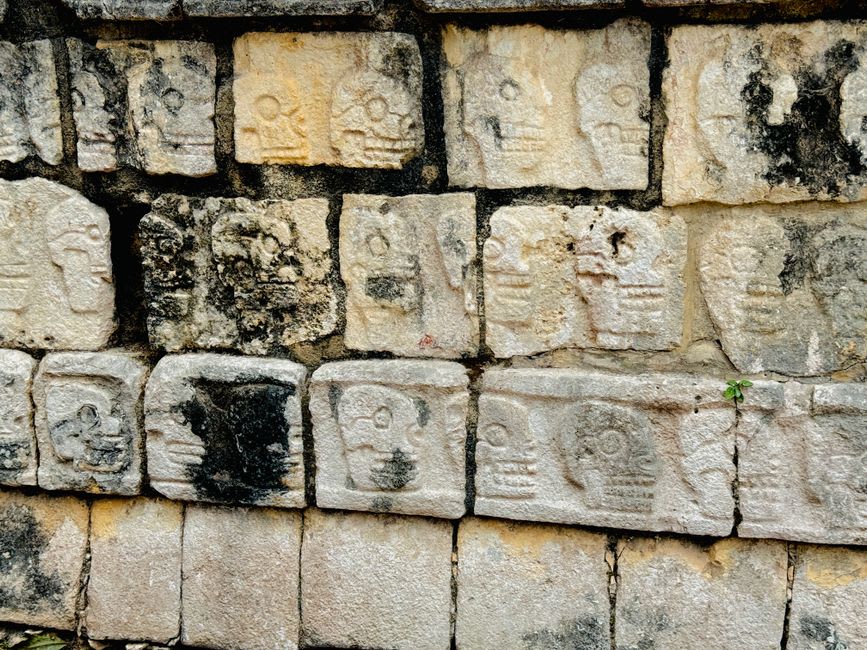
The site fee is nominal. Water, bring your own from Jantetelco — what the museum attendant has on hand is limited. The carvings are unprotected by glass or fencing, which means you are standing directly in front of bas-reliefs that have not moved since someone cut them three millennia ago. That is not nothing.
Getting There
Cuautla, the main city in eastern Morelos, is the nearest hub — around thirty-five minutes by car. From Mexico City, the drive is roughly two hours via the autopista through Cuautla. There is no public transit directly to the site; a taxi from Jantetelco is the realistic option without your own vehicle. A Cuautla-based day trip pairs well with Xochicalco to the west, though both sites deserve more time than that itinerary usually allows.