
Zamora
"That half-finished neogothic cathedral stopped me cold the first time I turned the corner — nothing in Michoacán prepares you for something that enormous and that incomplete."
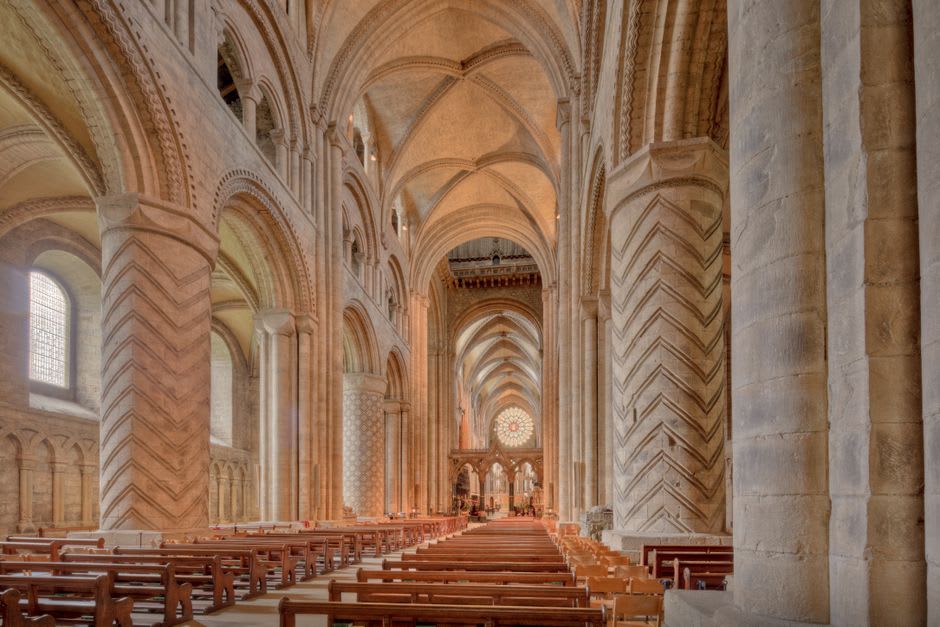
I came to Zamora from Morelia, expecting something quieter. Zamora is quieter, in the sense that it doesn’t announce itself. You find your hotel off the central square, walk a few blocks north, and then you turn a corner and something enormous appears at the end of the street — stone ribs, Gothic arches, spires that stop mid-air as if time froze mid-construction. The unfinished Templo Expiatorio del Sagrado Corazón took me completely off guard. I had not done enough reading ahead. Some things you discover better that way.
The Cathedral That Never Finished
Construction on the Templo Expiatorio began in 1898 and has never, technically, ended. Funding dried up somewhere in the mid-20th century and the building simply stopped becoming what it was supposed to be — a French Gothic cathedral on the scale of something you’d see in Lyon or Rouen. What remains is still one of the most dramatic structures in Michoacán. The interior is cavernous and cool, lit by whatever stained glass did get installed, and the floor echoes in a way that makes you want to whisper. Scaffolding has been on the exterior for as long as anyone can tell — whether they are adding, maintaining, or simply standing by is unclear. Locals treat it with the calm familiarity of people who grew up beside something remarkable. Walk around the exterior at dusk, when the stone goes gold then grey and the incomplete spires cut into the sky. That is the version of Zamora I keep coming back to.
When the Markets Smell Like This
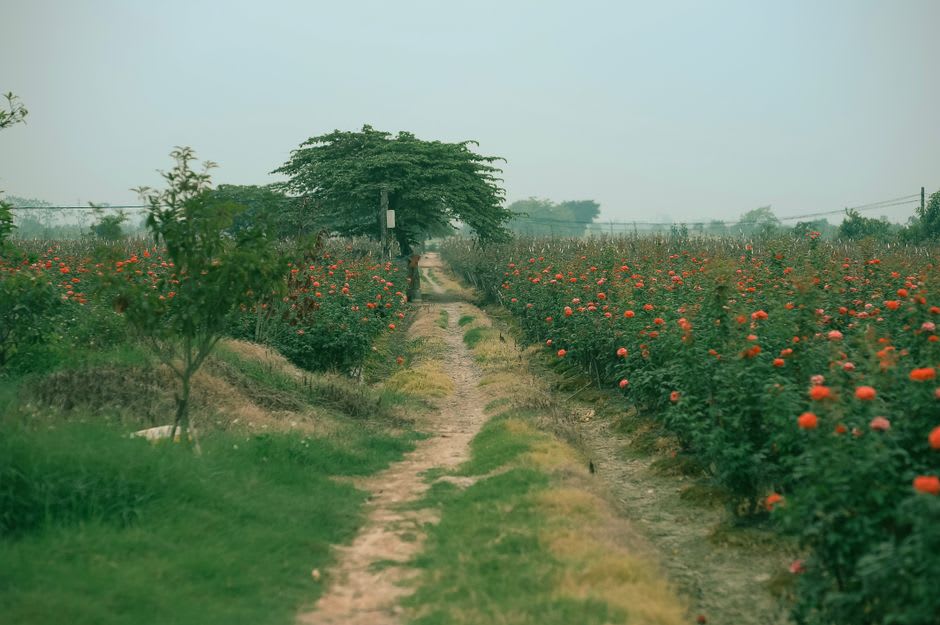
Zamora and the surrounding Ciénega region supply a significant share of Mexico’s cut flowers — roses above all. This becomes obvious the moment you step into the Mercado Hidalgo on a weekday morning. The produce vendors are there, the carnitas stalls are there, the women selling corundas from cloth-wrapped pots are there, and also, unexpectedly, mountains of roses. Red, white, orange, yellow — varieties I don’t know the names of. On the drive out of town toward Jacona, you pass greenhouses stretching for kilometers, plastic sheeting over metal frames, and then somewhere a loading dock with trucks taking pallets of boxed flowers north toward Guadalajara. Zamora’s roses end up in markets all over the country. They cost almost nothing here at the source. I bought a bunch on my last morning and didn’t regret it even slightly.
What to Eat Before You Leave
Michoacán has a strong argument for being Mexico’s best food state, and Zamora makes its own case. Start with corundas — triangular tamales served with cream and salsa verde — at any fonda in the Mercado Hidalgo before 11 a.m. The carnitas stands are serious: ask for a mixed portion and eat it on a plastic stool. In the evening, restaurants along Avenida Morelos handle uchepos, the fresh sweet corn tamales that only appear in Michoacán, and churipo, a dark chile-and-meat stew with a warming quality that feels almost medicinal. The city is also unexpectedly committed to strawberries, which come in from the surrounding valleys and appear in aguas frescas and dessert menus more or less everywhere.
Getting There
Zamora sits on the main Guadalajara–Morelia highway. From Morelia the bus ride is around 1.5 hours; from Guadalajara, closer to 2.5 hours. Primera Plus and ETN run regular departures from both cities. The bus station is a short taxi ride from the center. There is no reason not to come as a day trip from Morelia, though I would argue it earns an overnight.