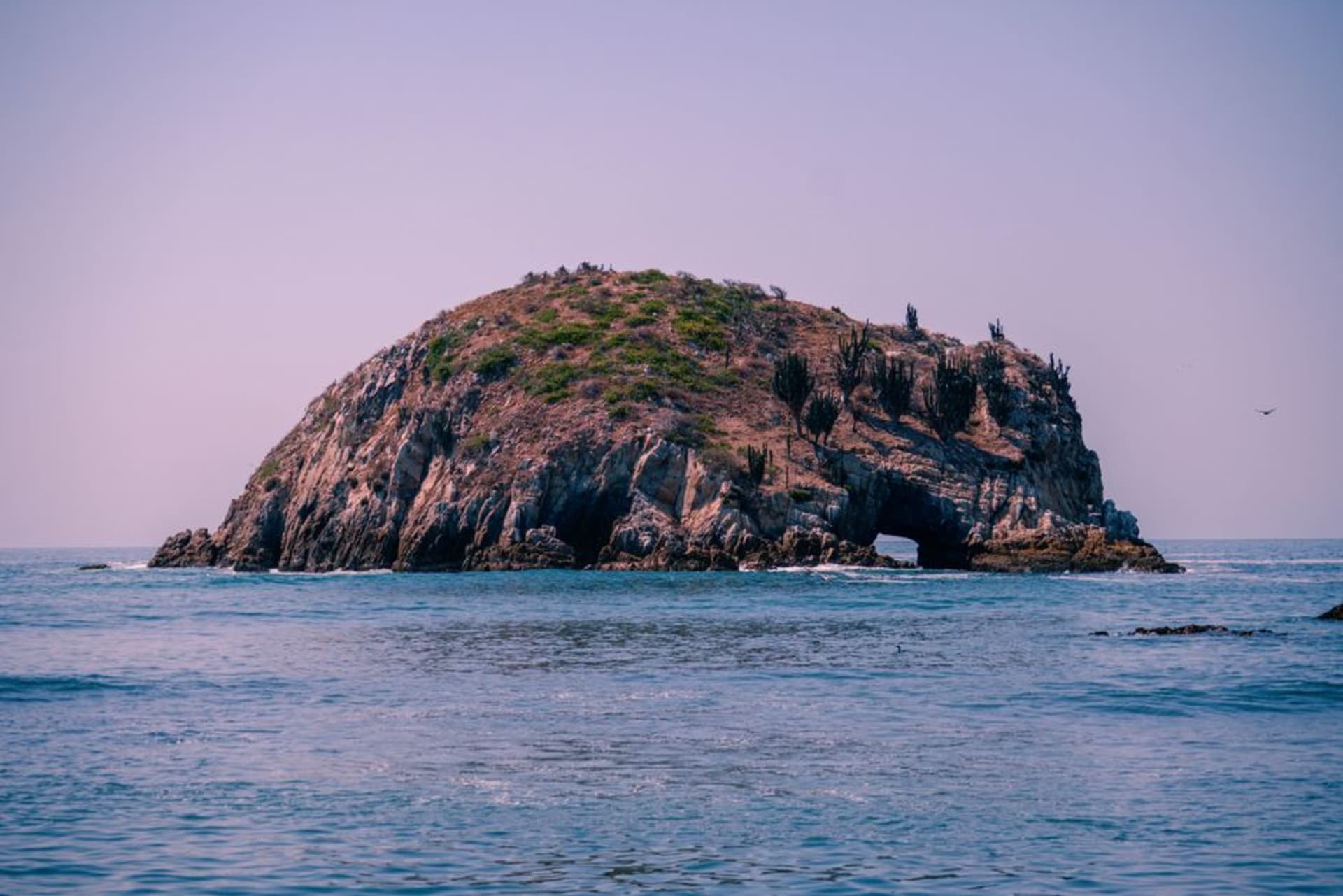
Maruata
"Maruata is the kind of place that rewards the traveler who checks the map south of Zihuatanejo and simply keeps driving."
I pulled off the coastal highway somewhere between Lázaro Cárdenas and Caleta de Campos, following a dirt track that the map described as a road and that my front axle described differently. The bay appeared below me with no warning and no adequate preparation — a perfect arc of dark sand held between two volcanic headlands, the Pacific coming in long and clean from the open ocean, a cluster of palapas half-visible through the trees. I sat on the hood of the car for a while before driving down. There are moments in Mexico that rearrange your internal calendar, and Maruata was one of them.
The Bay and What Happens There After Dark
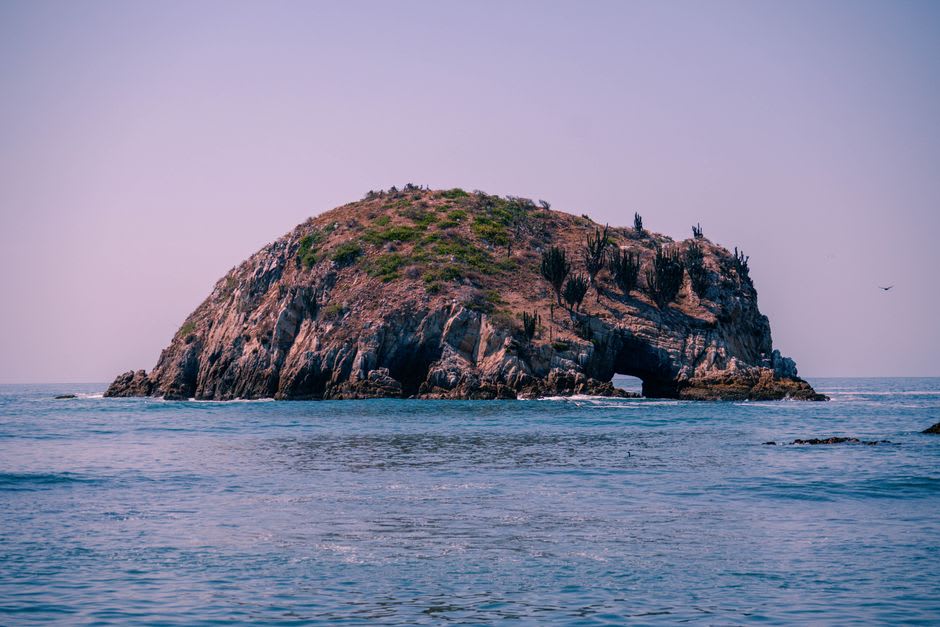
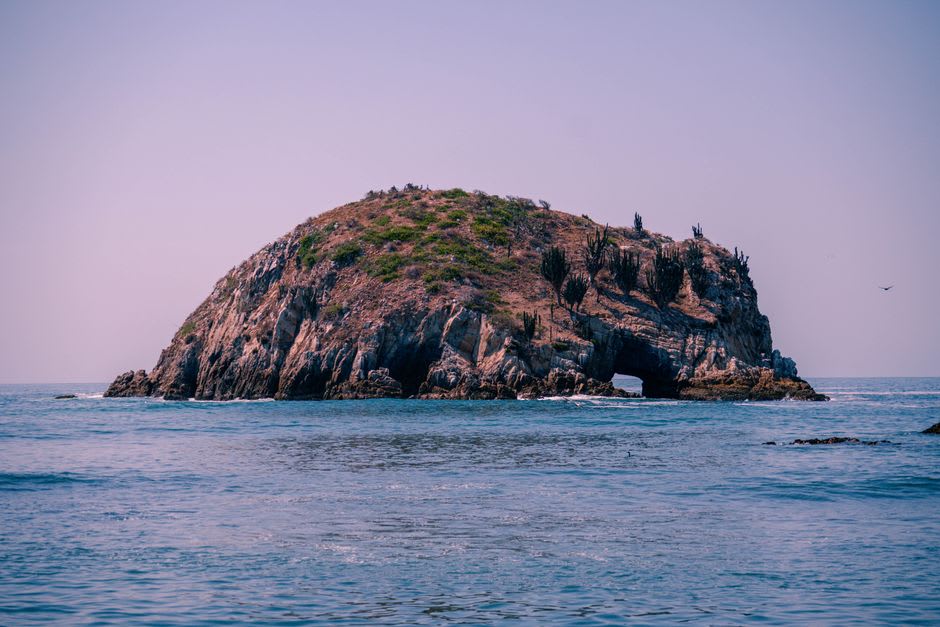
The sand at Maruata is dark — not the grey of wet sand but genuinely dark, volcanic basalt ground fine over centuries, warm underfoot in the afternoon and cooler than you would expect at night. The headlands at each end of the bay are dramatic enough that photographs of them look artificial. The Pacific swell comes in without obstruction from open ocean, which means the waves are serious and honest in the way that unmodified geography tends to be.
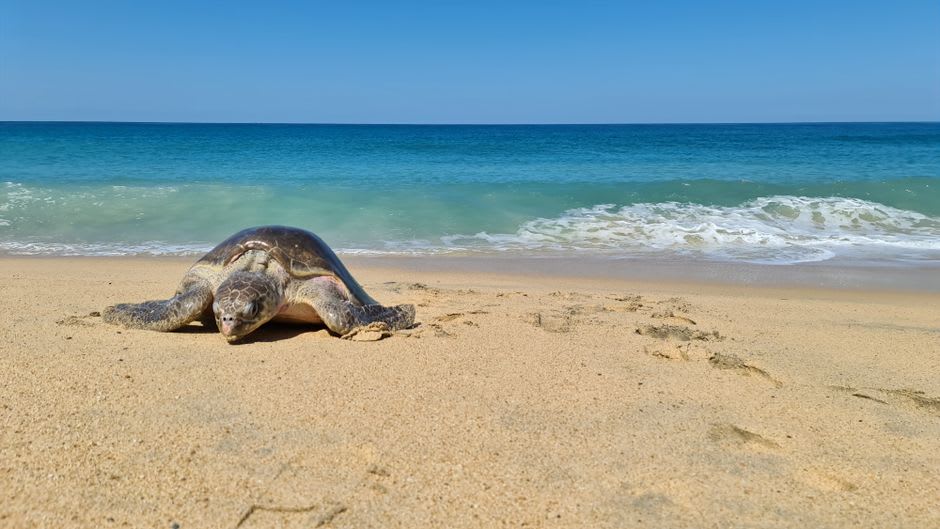
From June through December, olive ridley and leatherback turtles crawl up this same beach to nest. The local Nahua community — Maruata is indigenous communal territory with its own governance structure — has been protecting the nesting sites for years, which is part of why the turtles still come. I arrived in late October and walked the beach at night with one of the community members who does the patrols. We found a leatherback mid-process. He said nothing; I said nothing. We stood back at a respectful distance and watched until she had covered her nest and returned to the sea. It took the better part of an hour. I did not check my phone once.
What the Palapas Actually Serve
The dining situation at Maruata is uncomplicated in the way that I prefer. There are a handful of family-run palapas on the beach, and they serve what they have: fresh fish, usually huachinango or sierra, grilled or fried with a lime that arrives without being asked for; soup in the mornings; tamales on the days when someone has made them. I ate at the same place for three days running — a palapa run by a woman whose name I was told was Doña Rosa, though I never confirmed this — partly because the fish was very good and partly because she made a salsa verde that I am still thinking about four months later. It was not written on anything. I asked if she could make it and she said fine.
The beer arrives cold. The coffee is instant. This is useful information that the internet, which prefers to talk about Michoacán’s carnitas and its avocado orchards, will not tell you.
Sleeping on the Michoacán Coast
There is nowhere particularly comfortable to stay at Maruata, and I mean this as a description rather than a complaint. The community rents cabañas — concrete-block rooms with a hammock on the porch, a ceiling fan, and a bathroom that functions adequately — and some of the palapas have rough camping out back. I stayed in a cabaña for three nights and paid somewhere around 350 pesos per night. The hammock was substantially better than the bed; I should have worked this out faster.
The discomfort functions as a filter. Every person I met at Maruata — a couple from Guadalajara who had been coming for eight years running, a Mexican family from Morelia who drive down every October specifically for the turtles — was, without exception, someone I was glad to share a table with.
Getting There
Maruata sits directly on Highway 200, the coastal road threading through Michoacán between Lázaro Cárdenas to the north and the Guerrero border to the south. From Lázaro Cárdenas it is roughly 90 kilometers — about two hours, depending on the road’s current mood. There is no direct bus service, but second-class coaches running the coastal route will stop at the turnoff if you ask the driver. From there it is a short walk down to the beach.