Cherán
"The fogata on the corner had been burning for five years when I arrived. A woman was explaining water rights to her neighbors. Nobody was performing for me."
I came into Cherán on a Tuesday morning in March, through a checkpoint manned by young men in dark jackets who asked where I was from and what I was doing. Not hostile — just present. The pine-scented air from the hillsides above town hit before the town itself did. On the first corner inside, a fogata was burning low, and two older women sat beside it on folding chairs, talking. There was no sign, no kiosk, no tourism office. That absence was the first thing Cherán taught me: this place was not organized around my visit.
The Fogatas and the Assembly That Replaced a Government
In April 2011, the women of Cherán’s Barrio Primero set up a roadblock before dawn and sealed every entrance to town. The timber traffickers had taken too much — stripped the surrounding hills nearly bare, running chainsaw crews under cartel protection, buying off municipal police and the PRI officials who were supposed to protect the forest. The community did not negotiate. They expelled the loggers, the cartel, the state police, and eventually the political parties themselves. They have held elections since — but to neighborhood councils called Fogatas, not to party-affiliated posts. Each of Cherán’s four barrios has fogatas distributed across it, bonfire points that serve as both the literal and figurative center of the system. I sat at one for an hour on my second morning. A man was presenting a proposal about a new water pipe route on the eastern edge of the barrio. People interrupted, asked questions, pushed back, reached something like consensus. No one checked their phone. It was the most functional political meeting I have attended in years, and I have attended some very dysfunctional ones.
The Tianguis and the Corundas
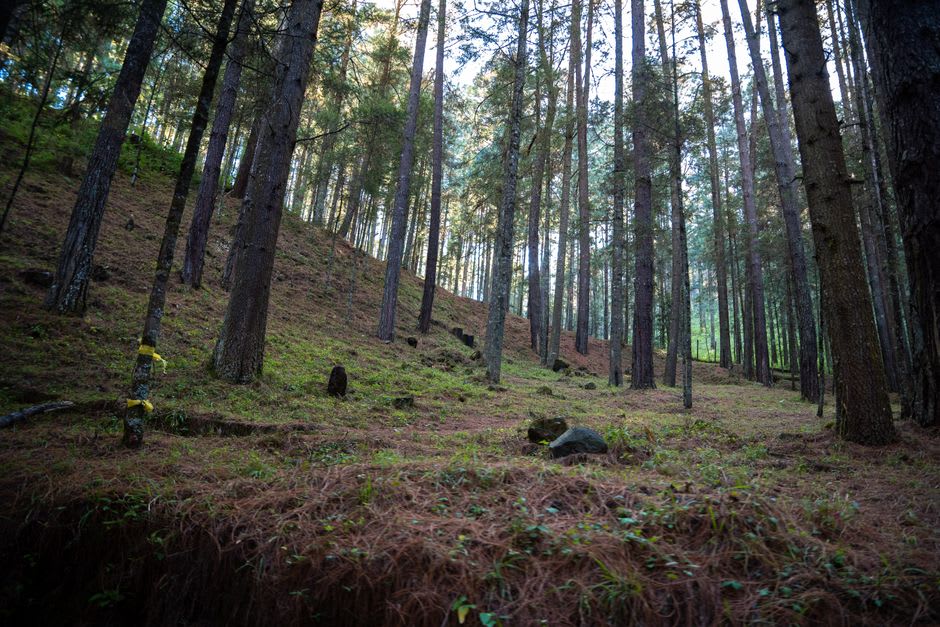
The market operates on Thursdays and Sundays near the main plaza — though “main plaza” is slightly misleading in Cherán, where the central square functions less as a showpiece and more as a working space. The food stalls open early. I found corundas at a table run by a woman who made them in tight triangular folds of corn dough, served with salsa verde and crema, at six in the morning when I was the only non-local at the market. Corundas are not tamales. The dough is different, the shape is different, the crema-and-salsa preparation makes them something between a dumpling and a snack that I kept coming back to. I also had uchepos, the fresh sweet-corn version, softer and more delicate. There is a broth called churipo — beef with vegetables and chile, darker and earthier than any consommé I know — that I tracked down at a lunch stand on Calle Reforma around noon on my second day. The P’urhépecha culinary tradition is not widely documented in recipe books. That gap seems worth closing.
The Hillsides Coming Back
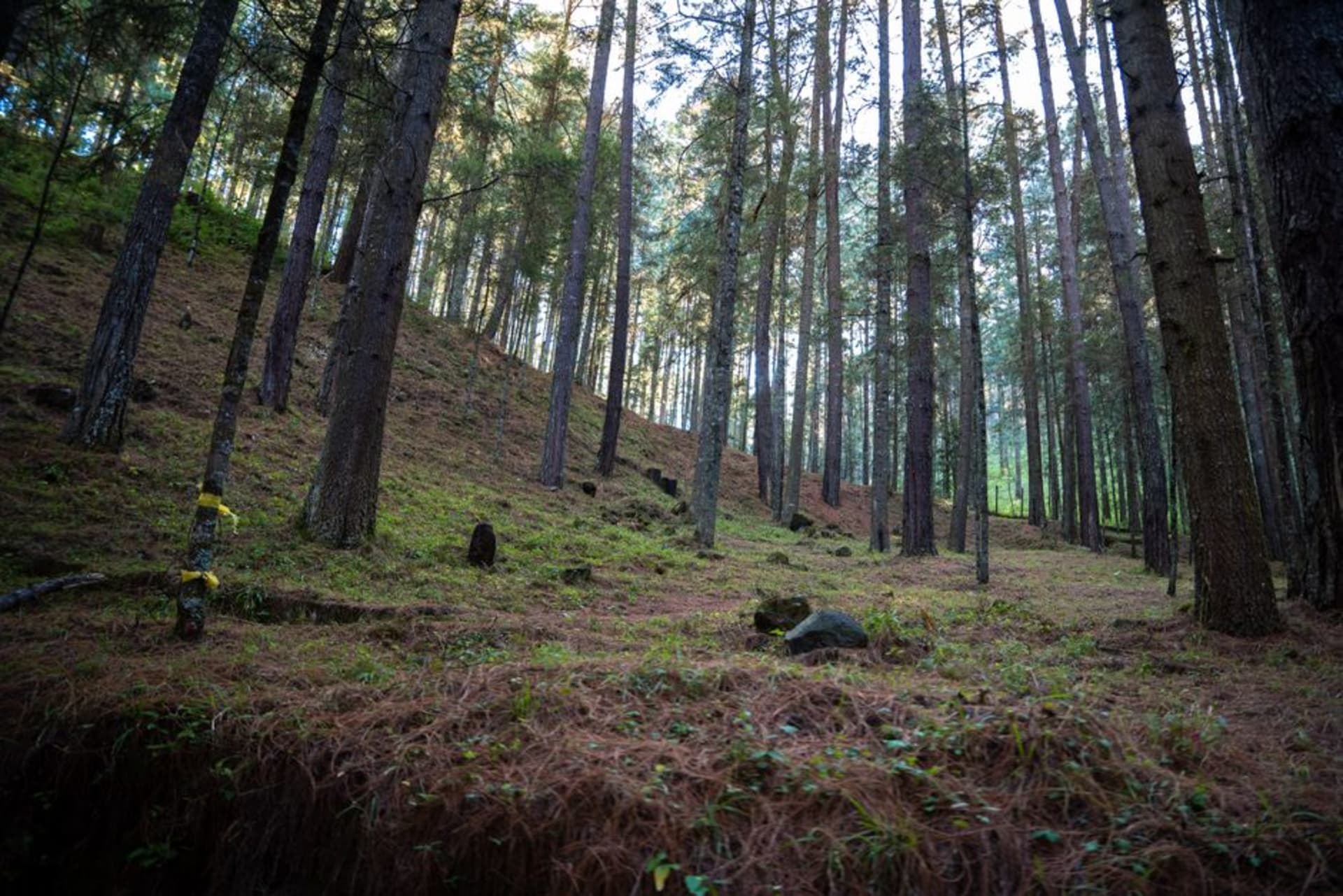
The reforestation crews have planted over a million trees since 2011 on slopes that were nearly bald when the traffickers left. You can walk up from town on dirt paths that pass through mixed stages of recovery — scrubby young growth near the roads, then increasingly tall Pinus pseudostrobus and oyamel fir as you climb. The smell is almost aggressive in the best way, clean and resiny in a way the pine forests near Morelia never quite are. I asked a man working at a seedling nursery on the edge of town what the goal was — how many more trees before they considered the project finished. He laughed. “We do not think about it that way,” he said. “The forest does not have a deadline.” I wrote that down immediately.
Getting There
Cherán sits in the Sierra P’urhépecha about 90 kilometers west of Morelia — roughly an hour and forty-five minutes by car via the toll road toward Uruapan, then north on the federal highway. From Guadalajara it is around three hours. Buses run from Morelia’s Central de Autobuses. The altitude keeps the climate cool year-round; a jacket is useful in any season. There are no political party signs anywhere in town. That detail will register the moment you notice it.