Charo is one of those places I drove past a dozen times before I finally stopped, and when I did I felt slightly ashamed of how long it had taken me. It’s barely twenty minutes east of Morelia, right on the road everyone takes toward Zinapécuaro and beyond, and it looks from the highway like any small Michoacán town. But Charo is old — genuinely old, with a layer of indigenous history most of the region’s colonial towns can’t claim. This was Matlatzinca country, the land of the people the Purépecha called the Pirinda, and something of that deep past still hangs over the place, quiet and easy to miss.
The Old Convent
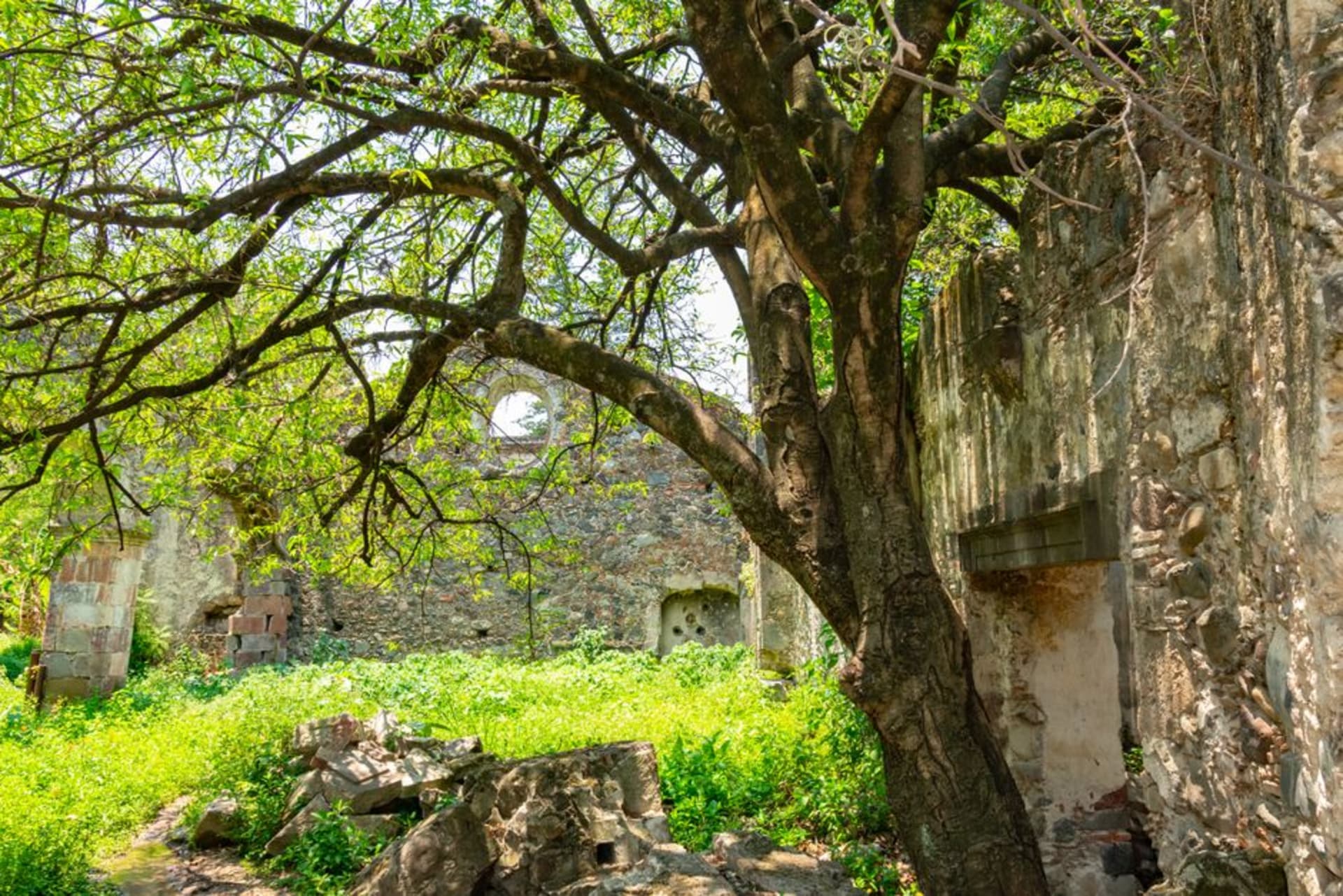
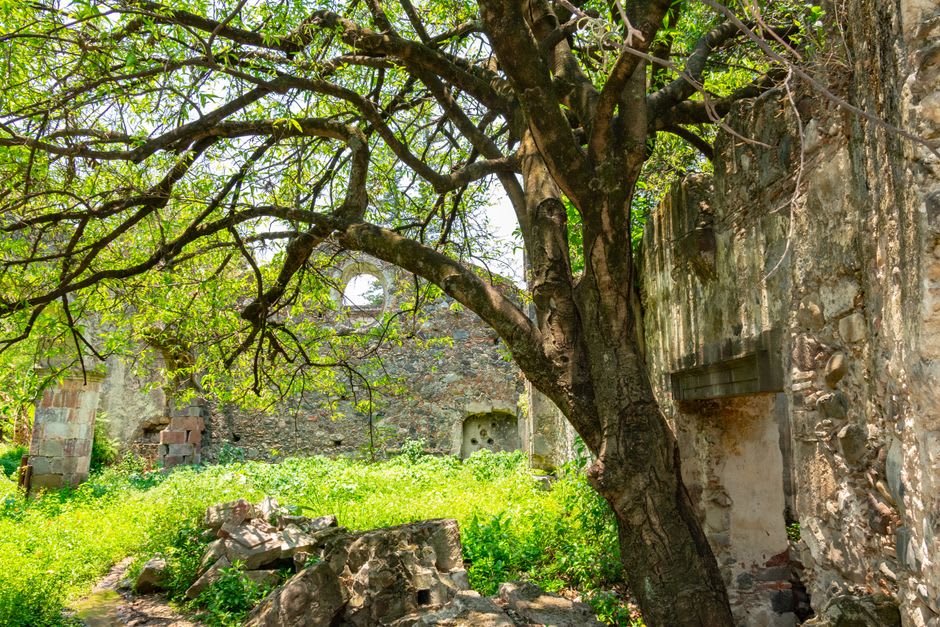
The reason to stop in Charo, if you need one, is the Augustinian convent at its heart — one of the early religious foundations the friars built in Michoacán as they worked to convert the indigenous population in the sixteenth century. It’s a solid, austere complex, its stone worn smooth by centuries, the kind of building that has outlasted every institution that ever used it. Standing in front of it you feel the weight of the colonial project that reshaped this whole region, laid directly on top of a much older indigenous town.
I wandered the convent and its church on a weekday morning with almost no one else around. The proportions are heavy and plain, more fortress than fantasy, the way these early Augustinian houses often are. There’s a hush inside that comes from thick stone and centuries of use. What struck me most was the layering of it — the sense that beneath the Spanish stone lies a Matlatzinca settlement, and that the town has simply gone on living through every version of itself. History here isn’t in a museum. It’s the ground you’re standing on.
Avocado and Agave Hills
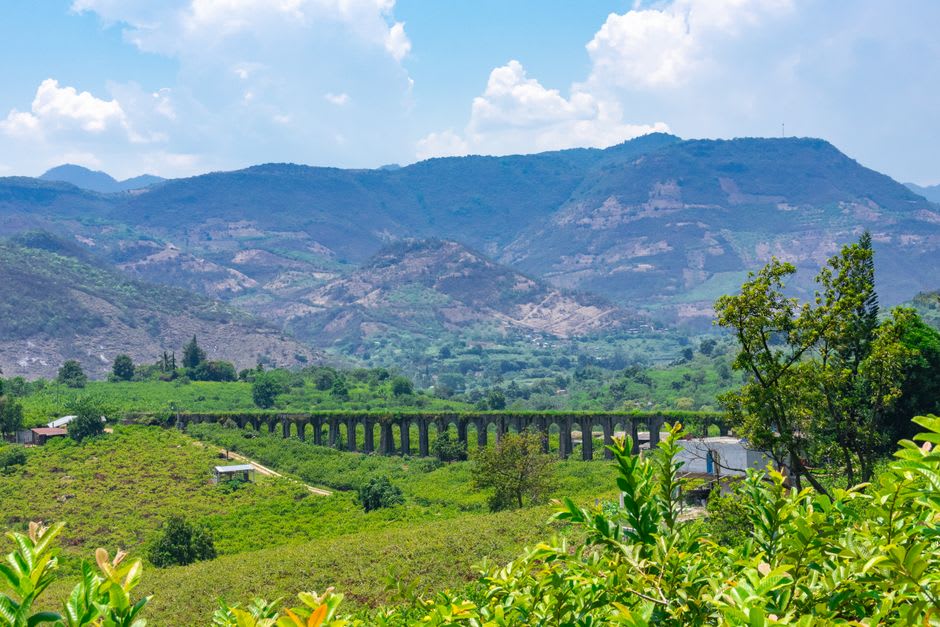
The country around Charo is classic eastern-Michoacán farmland, tilting up into hills that are increasingly given over to avocado — the crop that has transformed so much of this state’s economy — alongside the older presence of agave. The hillsides run green with orchards, and the roads out of town wind up between them into higher, cooler country. It’s productive land, worked hard, and the drive through it is one of the pleasures of coming here.
I followed one of the back roads up into the hills one afternoon, past avocado orchards and rows of maguey, until the town was a small clot of roofs below with the convent tower rising out of it. The air was clean and resinous, the light long. This is the sort of ordinary Michoacán landscape that never makes a poster and rewards you enormously if you just drive slowly and let it unfold. Somewhere up in those hills, warm water rises out of the ground too — the region is dotted with thermal springs — and a soak is an easy way to end a day of poking around.
A Deep History, Hidden in Plain Sight
What keeps me coming back to Charo is not any single monument but the feeling of a place holding more than it shows. The Matlatzinca — the Pirinda — were here long before the Purépecha empire and long before the Spanish, and Charo remained one of their strongholds even under colonial rule. That deep indigenous continuity is present in the town in ways that are hard to point at directly: in the names, in the old faces, in the sense of a community rooted in one spot for an almost unimaginable span of time.
It’s remarkable, really, that all this sits twenty minutes from a major city and stays so thoroughly overlooked. Morelia gets the crowds and the cathedral and the film festival; Charo gets the traffic passing through on the highway. But if you have an afternoon and a little curiosity, this quiet town rewards it — an old convent, green hills, warm water, and a history that runs deeper than almost anywhere else in the region. Hidden in plain sight is exactly the phrase.
Getting There
Charo sits just east of Morelia on the highway toward Zinapécuaro and the eastern reaches of Michoacán — only about 20 to 25 minutes by car. Frequent combis and second-class buses run from Morelia and drop you in town, making it one of the simplest half-day trips from the city. Most travelers use Morelia as their base and treat Charo as a short excursion, easily combined with Indaparapeo or Zinapécuaro further along the same road. A car gives you the freedom to climb into the avocado hills and find the thermal springs, but the convent and the town center are perfectly walkable on their own.