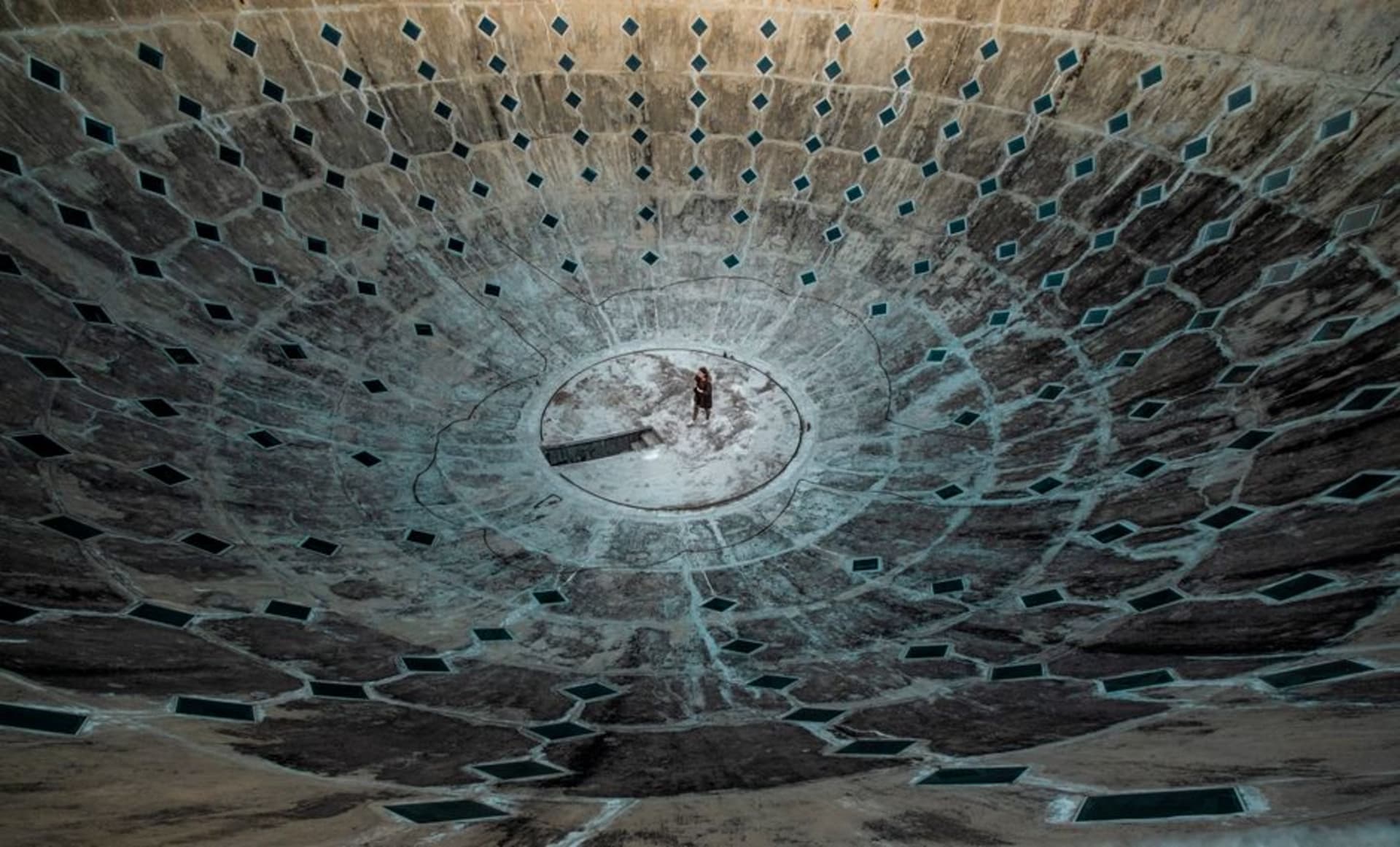
Teuchitlán
"The pyramid is a perfect circle, and the valley around it is full of sugarcane — I kept thinking there must be a reason this geometry makes sense here that I wasn't quite seeing yet."
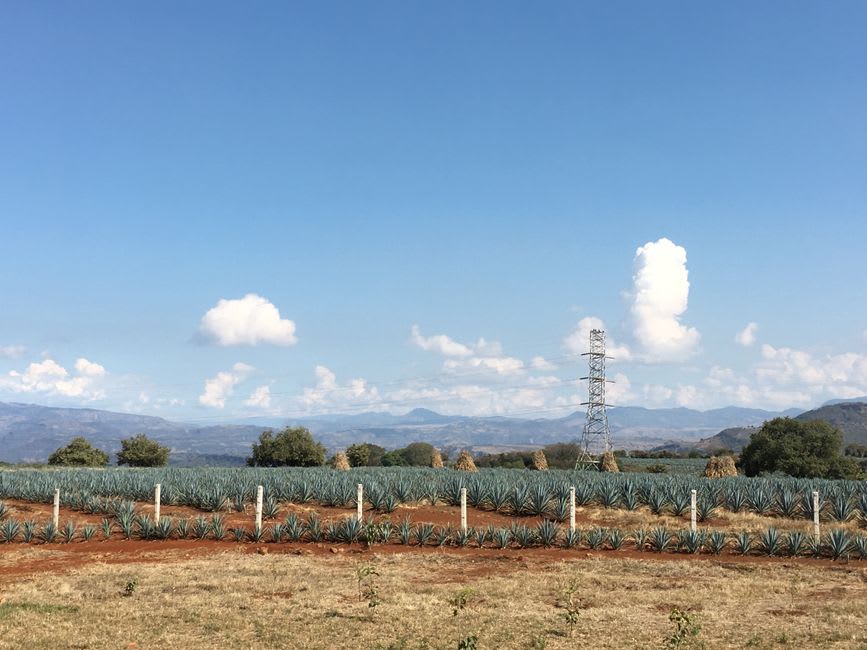
I came to Teuchitlán on a Tuesday, which turned out to be exactly right. I’d taken a local bus from Guadalajara’s Antigua Central Camionera — a connection to Tala, then a combi west along the highway toward Ameca — and arrived at the plaza around eleven with almost no one around. The town sits in a fold of the Atemajac Valley between the Río Teuchitlán and a long quiet lake, with agave hills on one side and sugarcane fields pressing close on the other. The pyramids were already visible from the access road: pale stone circles terracing up from the valley floor, perfectly symmetrical, looking like nothing I’d been prepared to see.
The Guachimontones
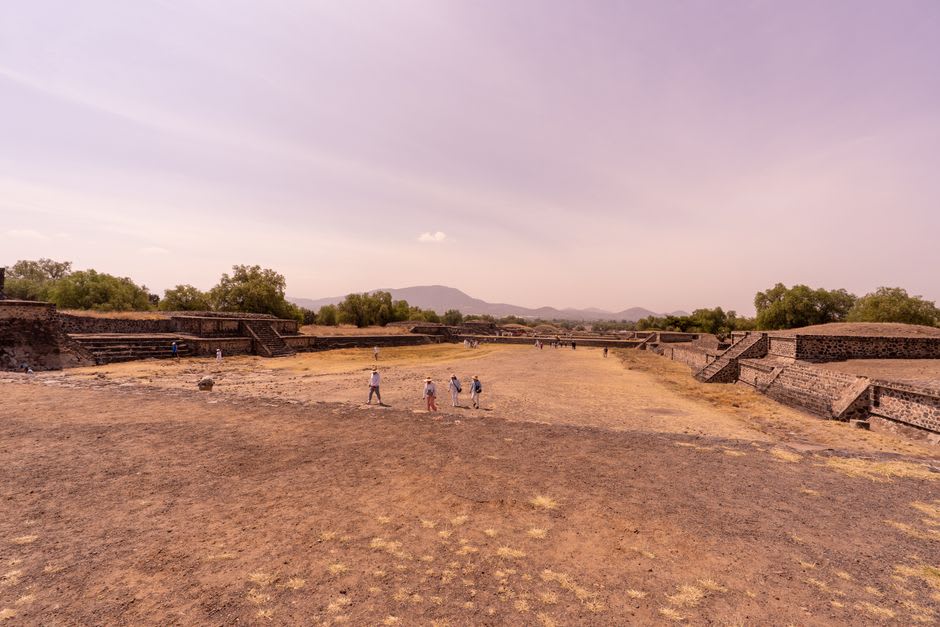
The word itself — guachimontones — refers to the circular stepped pyramids the Teuchitlán culture built here starting around 300 BCE and continued refining for over a thousand years. Each structure follows the same internal logic: a round central altar on a raised platform, ringed by a circular pyramid with stairways at the cardinal directions, surrounded by another circular platform, surrounded in turn by smaller rectangular platforms radiating outward. It is a geometry that appears nowhere else in Mesoamerica. Standing at the base of Círculo 1, the largest and most complete, I kept trying to understand what problem the circularity was solving. The archaeologist Phil Weigand, who spent decades working here and fighting to have the site properly recognized, argued the Teuchitlán tradition was as significant as anything found at Teotihuacán. The visitor count suggests most of the world hasn’t weighed in. When I was there, I counted nine other people across three hours at the site. The silence felt almost structural — like the circles were designed to hold it.
The Lake and the Town
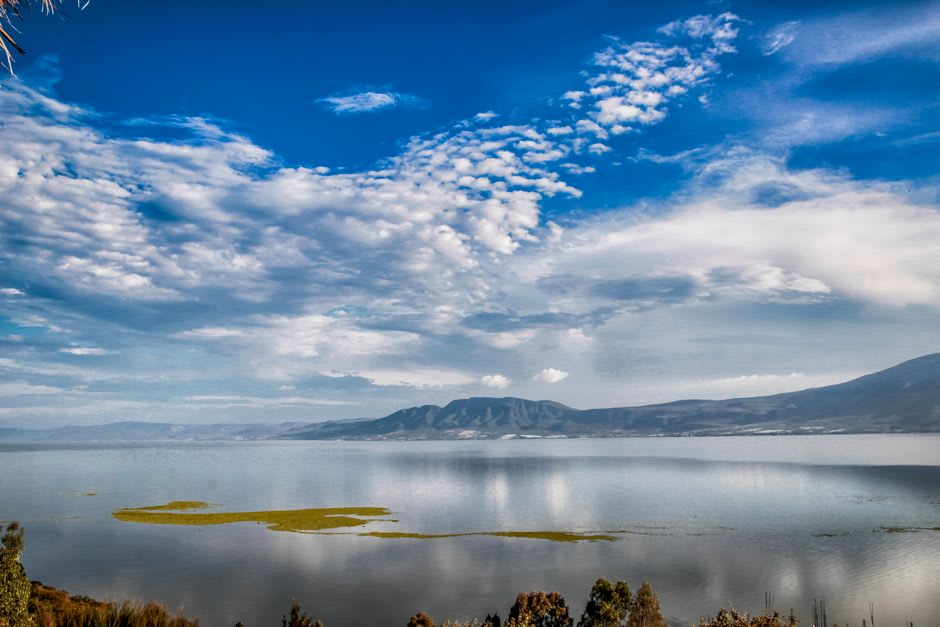
Below the pyramids, the Laguna de Teuchitlán spreads out green and unhurried, with kayak rentals along the shore and a handful of palapa restaurants serving pescado in whatever preparation you want. I ate birria on the plaza instead — the Jalisco version, made here with goat rather than the Guadalajara-style beef, dark and deeply spiced, served with consommé and a stack of tortillas from a woman who’d been at the same table since before I arrived. The Centro CAUSE museum sits just inside the archaeological zone entrance, and I’d recommend doing it first rather than last: the scale models and site chronology actually help you read what you’re looking at when you walk out to the pyramids. Without them, it’s easy to underestimate the scale of what the Teuchitlán culture was doing across this valley for a millennium. That gap between significance and visibility is one of the stranger things about Jalisco.
A Few Things Worth Knowing
The site is open Tuesday through Sunday and closed on Mondays — I mention this because there’s no obvious sign to that effect on the road in, and the combi schedule doesn’t particularly care about your plans. Bring water and real sun protection: the site is almost entirely exposed, and in late spring it is genuinely hot by midday. The walk between the main pyramid complex and the outlying structures takes about forty minutes at an easy pace. Arriving by nine, before the organized tours from Guadalajara begin to arrive, means you’ll have Círculo 1 nearly to yourself for at least an hour. That’s worth the early start.
Getting There
From Guadalajara, take a local bus or combi from the Antigua Central Camionera to Tala (around 45 minutes), then connect west to Teuchitlán (another 20 minutes). By car it’s roughly an hour on the carretera toward Ameca. Tequila is about 40 minutes west if you’re making a valley loop. The dry season, November through April, gives you cooler mornings and better light; the rainy season turns the sugarcane fields an improbable green.