La Barca
"The Lerma River here marks more than a state line — cross the old bridge and the food changes, the music shifts, and you realize how genuinely distinct two neighboring states can be."
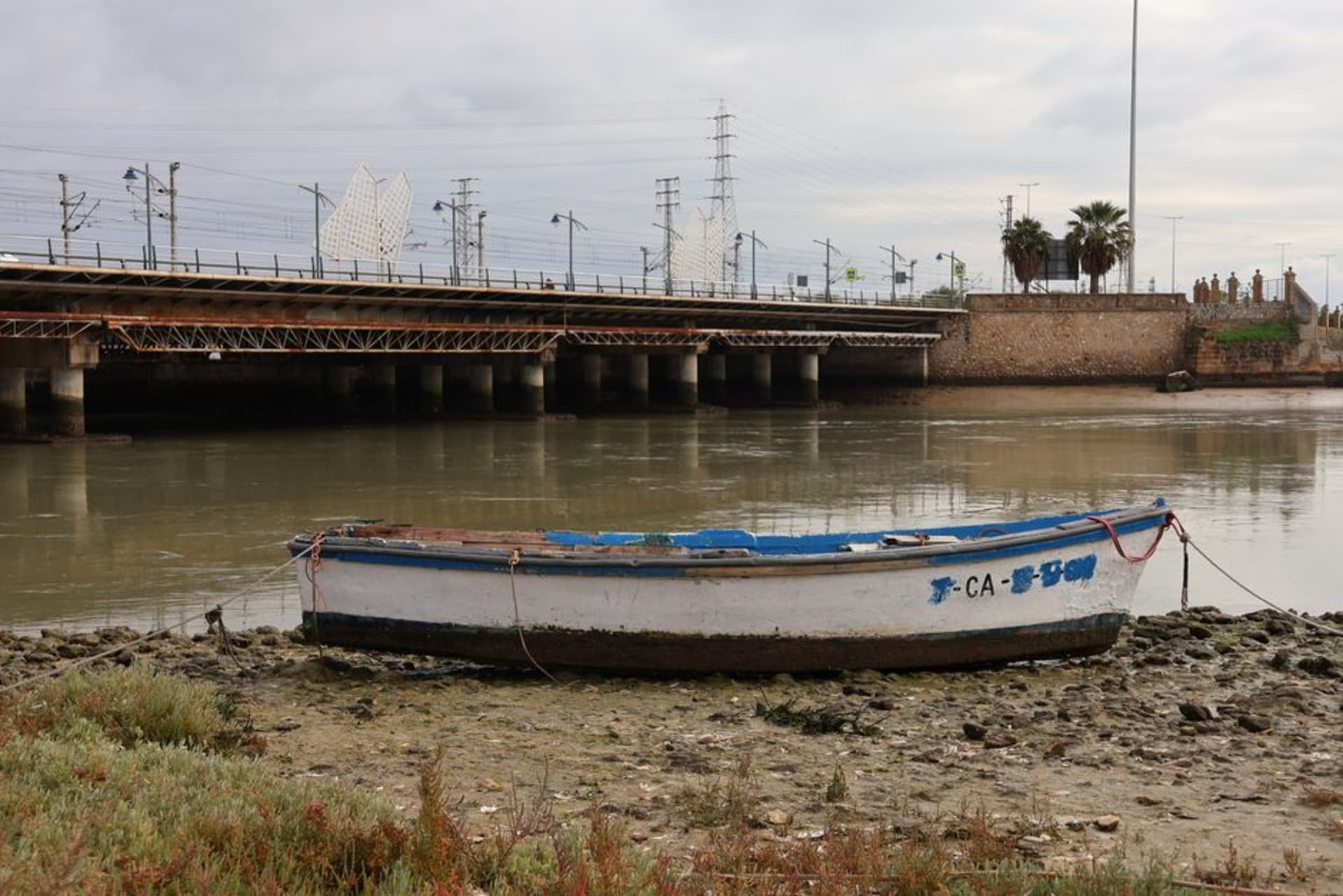
I stopped in La Barca because I missed the Chapala bypass and then decided the detour deserved investigation. That was three days ago. The city holds down the eastern edge of Jalisco with a quiet self-assurance that the tourist infrastructure has entirely ignored — no signage pointing toward the crumbling ex-haciendas in the surrounding countryside, no menus translated into anything. The Lerma River slides below the old stone bridge at the south end of town, and on the far bank, Michoacán begins immediately, visibly, with a quality that makes state borders feel genuinely ancient rather than administrative.
Crossing Between Two States
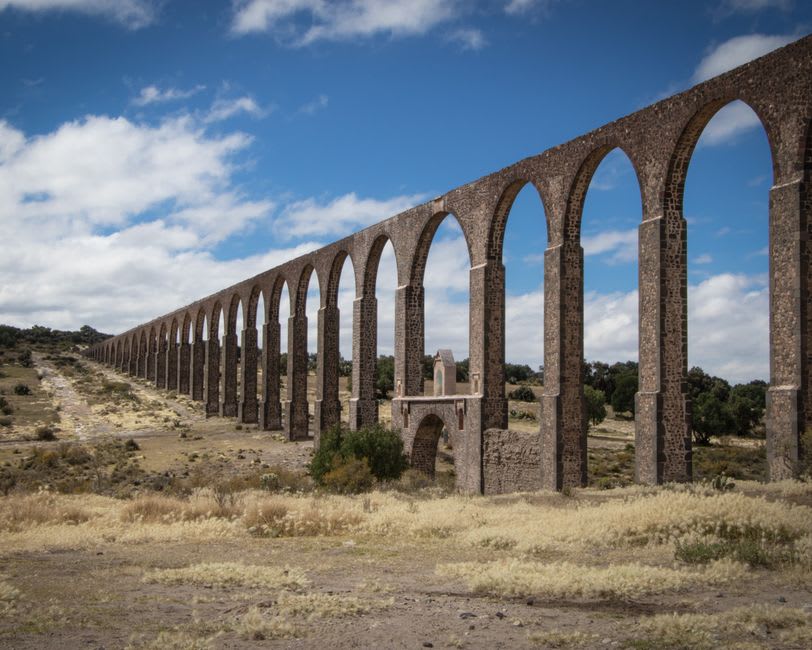
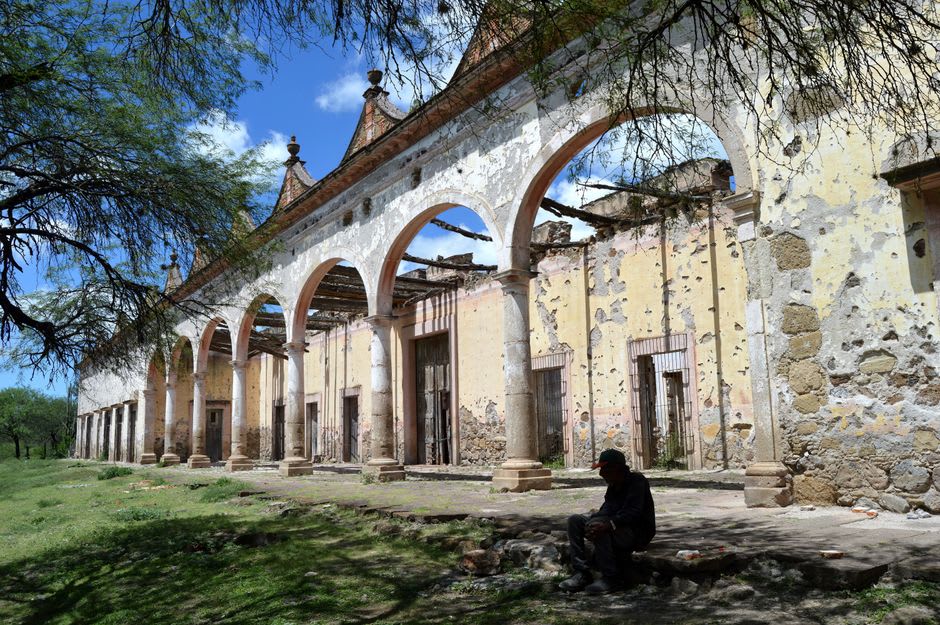
The bridge is the thing. Not particularly dramatic in itself — stone arches, a railing painted municipal green, a truck stop on the Michoacán side selling gorditas from a folding table — but crossing it on foot in the early morning, before the heat arrives, does something to your sense of geography. La Barca sits at a real frontier, and you can feel it. The Jalisco bank has its parish church, its jardín with shoeshine stands and churro vendors, its birriería that opens before dawn and smells of dried chile and slow-cooked beef. Cross the bridge and the register shifts: carnitas instead of birria, huaraches wider and stacked with different toppings, banda drifting from somewhere you cannot quite locate. The ex-haciendas spread through the ranchland outside town in various states of useful collapse — Hacienda San Miguel is still farmed around its ruins; others have been left entirely to bougainvillea and silence. I drove to three of them in a single afternoon without encountering another tourist.
What the River Changes
The food divide at the Lerma is one of those things you have to taste rather than read about. In La Barca, still on the Jalisco bank, birria de res arrives in deep clay bowls — the consommé dark and achiotado, garnished with raw white onion and dried chile. Order early: the Birriería El Puente on Calle Morelos runs out before ten on Sundays. Cross the bridge and the same mid-morning hour means carnitas, pork cooked in copper cazos over wood, served with a stack of fresh tortillas and a salsa verde quieter and more herb-forward than anything I know from Oaxaca. The market on the Michoacán side — which functions as a practical second market for La Barca — sells cheeses and sweets that feel distinctly of a different tradition: requesón wrapped in cornhusks, ate de guayaba cut into thick slabs. I bought both and ate them standing at the bridge railing, one state in each hand.
The Jardín After Four
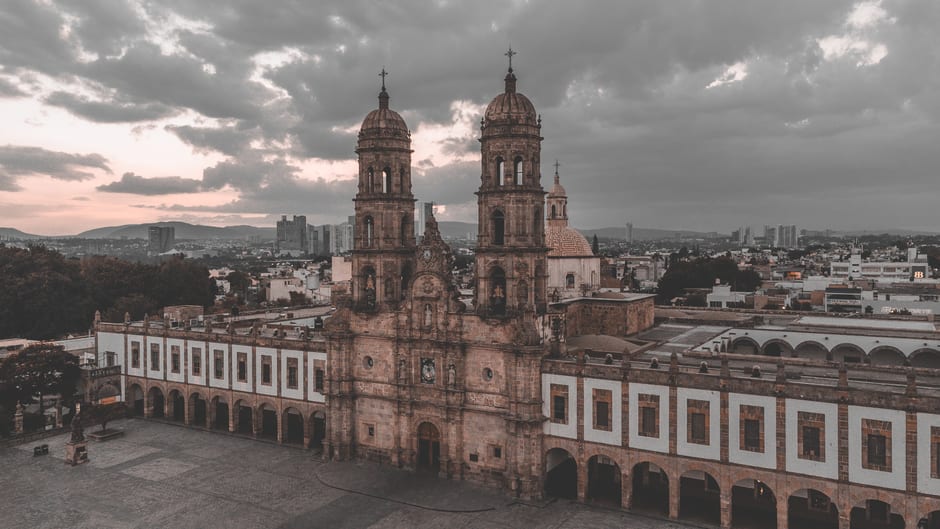
Between four and six in the afternoon the jardín becomes worth sitting in. The heat relents, the ice cream carts appear, and the Parroquia de la Asunción on the north side of the square catches the low light in a way that almost explains why colonial builders chose these proportions. The church was rebuilt after a Lerma flood in the eighteenth century and carries the slightly uneven quality of a building patched across different eras. There is a small regional museum two blocks west on Avenida Hidalgo — usually closed, occasionally open, worth trying the door on a Wednesday. For dinner, skip anything with a printed menu and eat at the comedores along Calle 16 de Septiembre instead.
Getting There
La Barca is roughly 90 kilometers east of Guadalajara on Federal Highway 35. Buses from Guadalajara’s Central Camionera (Antigua terminal) run frequently and take about two hours. From Morelia the drive is around two and a half hours. There is no direct connection from Lake Chapala — backtrack through Guadalajara or take a taxi to the highway and flag a passing connection.