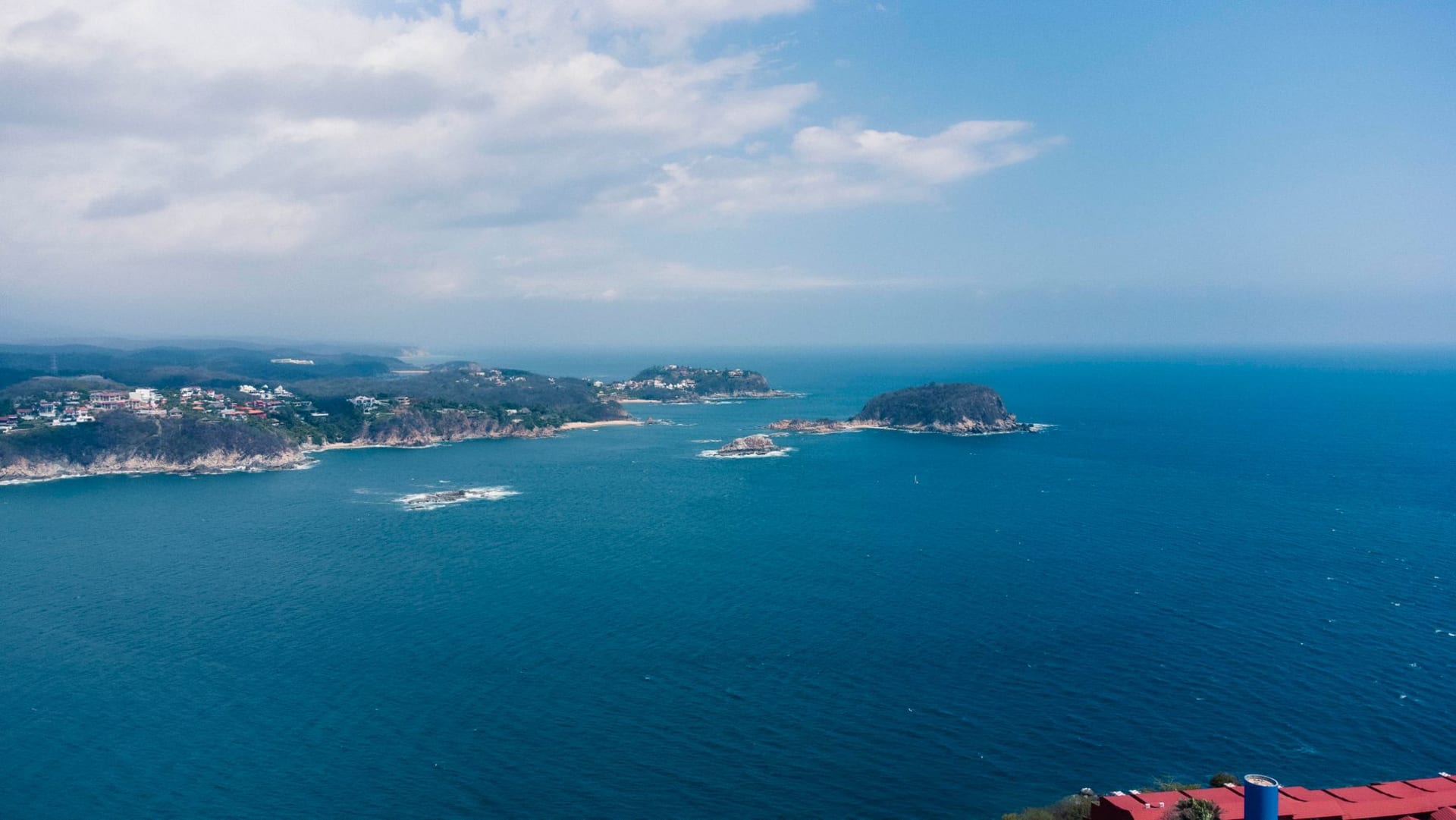
The Oaxacan coast south of Puerto Escondido runs into a different world at Huatulco — a cluster of nine bays carved into the Sierra Sur foothills where they meet the Pacific, federally designated as a biosphere reserve in 1998, which is the reason the development here looks the way it does: contained, relatively small-scale, and surrounded by intact jungle that comes down to the water’s edge.
FONATUR, the Mexican federal tourism agency, planned Huatulco in the 1980s as a controlled alternative to Cancún — same infrastructure investment, but with ecological limits built in from the start. The result is a resort area that has not become the thing it was trying to avoid. The nine bays remain mostly accessible, the jungle is continuous, the water is clear, and the social weight of the place is calibrated somewhere between active tourism and genuine rest.
The Bays
The nine bays stretch over twenty-nine kilometers of coastline. The main tourist infrastructure is concentrated at Bahía Chahué (the marina and shopping zone), Bahía Tangolunda (the large hotels), and the colonial center of La Crucecita (the actual town, two kilometers inland). The other six bays — Cacaluta, San Agustín, Chachacual, El Órgano, El Maguey, and La India — have varying levels of accessibility and facilities, from beach restaurants to no infrastructure at all.
Bahía Cacaluta is the most protected: vehicle access is limited and the bay is sometimes closed to boats entirely to protect the ecosystem. Getting there requires a short hike through secondary forest or a lancha from Santa Cruz pier. The bay is shaped like a horseshoe, the water turquoise over white sand, and when the access restrictions are in force you may have it entirely to yourself.
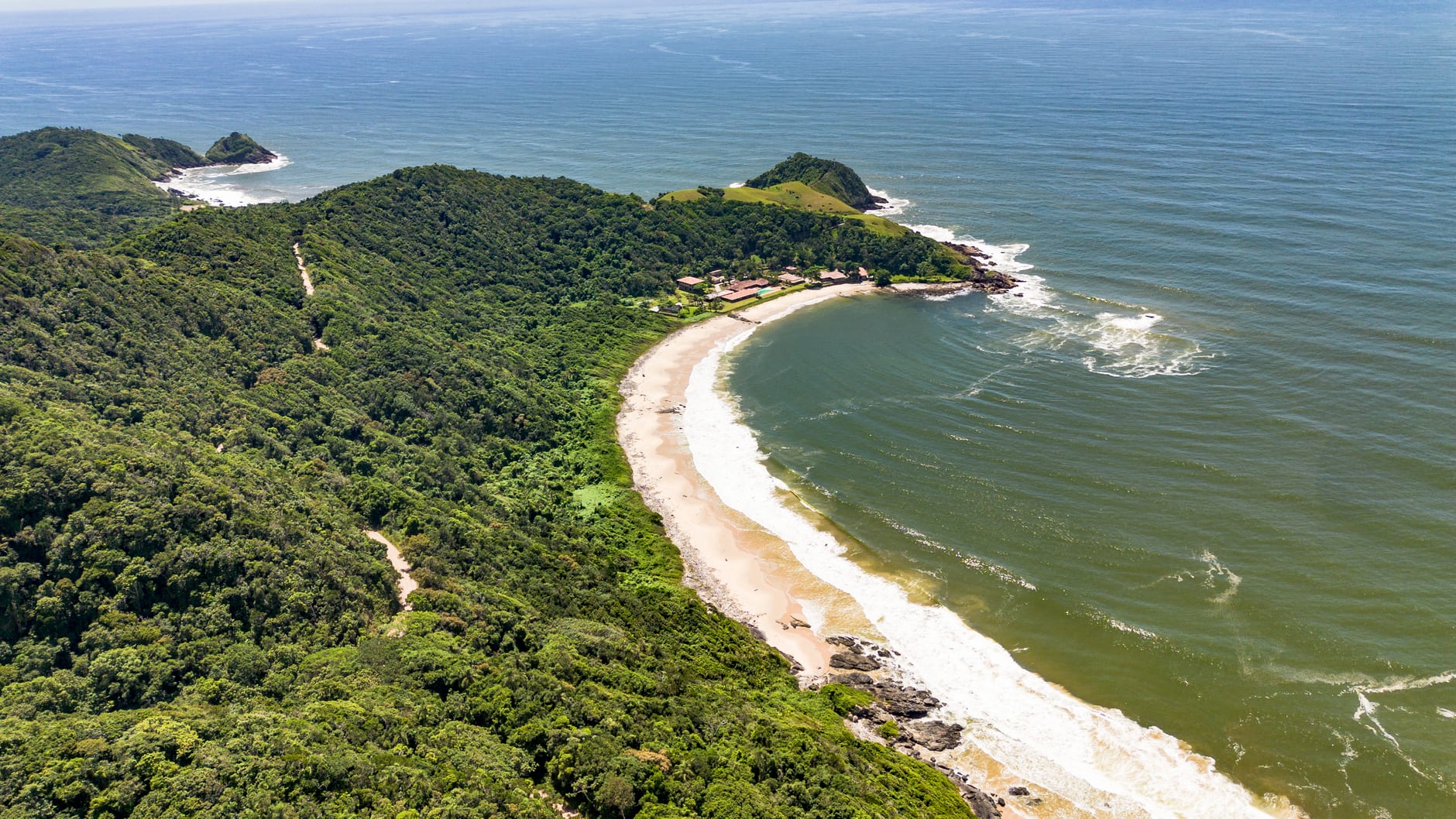
Bahía San Agustín has a fishing village and several palapa restaurants where the catch of the day is bought directly from the boats and cooked on the beach. Snorkeling here is the best in the area — the coral and fish populations in the protected waters are notably richer than the more visited bays to the north. Bring your own gear or rent from the village.
The Water
Huatulco’s Pacific water is warm (27-30°C in dry season), clear, and relatively calm compared to the surf beaches further up the Oaxacan coast. The swell that makes Puerto Escondido famous is absorbed by the headlands before it reaches the inner bays. This makes Huatulco better for snorkeling and swimming than surfing — a conscious trade-off.
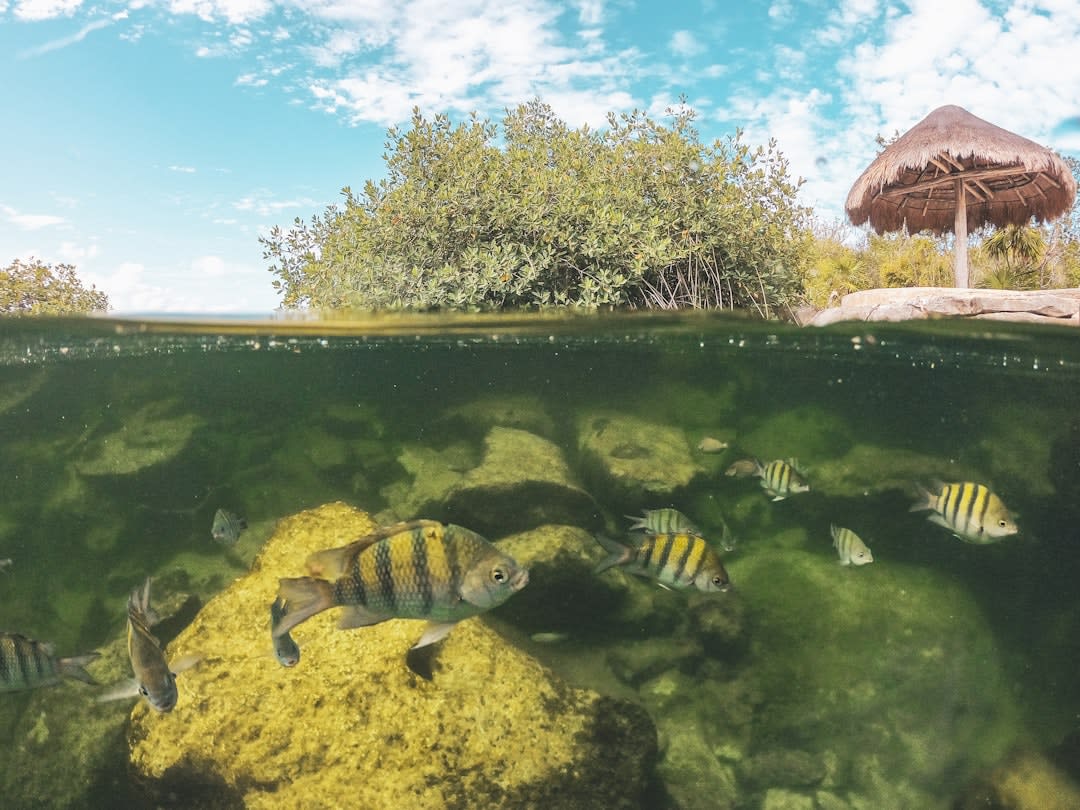
Snorkeling: The best sites are at Bahía San Agustín and around the rocks at Bahía El Órgano. Lanchas to both depart from the Santa Cruz pier from around 8am. The coral cover is not Caribbean-quality but the biodiversity is high — parrotfish, angel fish, schools of sierra, occasional sea turtles in the season (May to September).
Diving: Huatulco’s dive operators work sites along the full bay system. The best diving is at depth, where the Pacific upwelling creates conditions that attract larger species — manta rays, hammerheads seasonally, the whale sharks that pass through between December and March. Neptune Diving and Buceos Sotavento are the two operators with consistent reputations.
La Crucecita
The actual town of Huatulco — as opposed to the resort zones — is La Crucecita, a planned community built inland to house the workers when the resort was developed. It has evolved into a genuine town with a market, a main plaza, taco stands, a church with a large mural of the Virgin of Guadalupe on the dome ceiling, and the kind of local life that the beach zones lack entirely.
Eat in La Crucecita. The restaurants around the plaza serve Oaxacan standards — tlayudas, memelas, black bean soup, cecina — at prices calibrated to local incomes. The Mercado off the main plaza has excellent desayuno stalls from seven in the morning: enfrijoladas, eggs with epazote, Oaxacan chocolate.
The Coffee Country
Thirty minutes into the sierra above Huatulco, the towns of Pluma Hidalgo and Candelaria Loxicha produce some of the finest coffee in Mexico. Pluma coffee — high-altitude Arabica grown on small family plots, processed by hand — has been cultivated in this region for over a century and has a profile (bright, acidic, notes of citrus and brown sugar) that competing with Guatemalan and Colombian coffee without the international recognition.
Several producers offer tours of their farms and processing facilities. The drive up from Huatulco involves an hour of winding mountain road with views back over the bays and the Pacific that make the journey worthwhile regardless of the coffee.
Getting there: Huatulco has its own airport with direct flights from Mexico City (1.5h) and connections from Oaxaca City (40min). Buses from Oaxaca City take five to six hours over mountain roads that are impressive in daylight. A shared van (colectivo) service from Puerto Escondido to Huatulco takes about ninety minutes along the coastal road.
When to go: November through April is dry season and ideal. May through October brings afternoon rains, heavier seas, and the turtle nesting season (June-September) when olive ridley turtles come ashore at night — accessible with an SEMARNAT-registered guide. Avoid Semana Santa and July-August Mexican school holidays unless you booked months in advance.