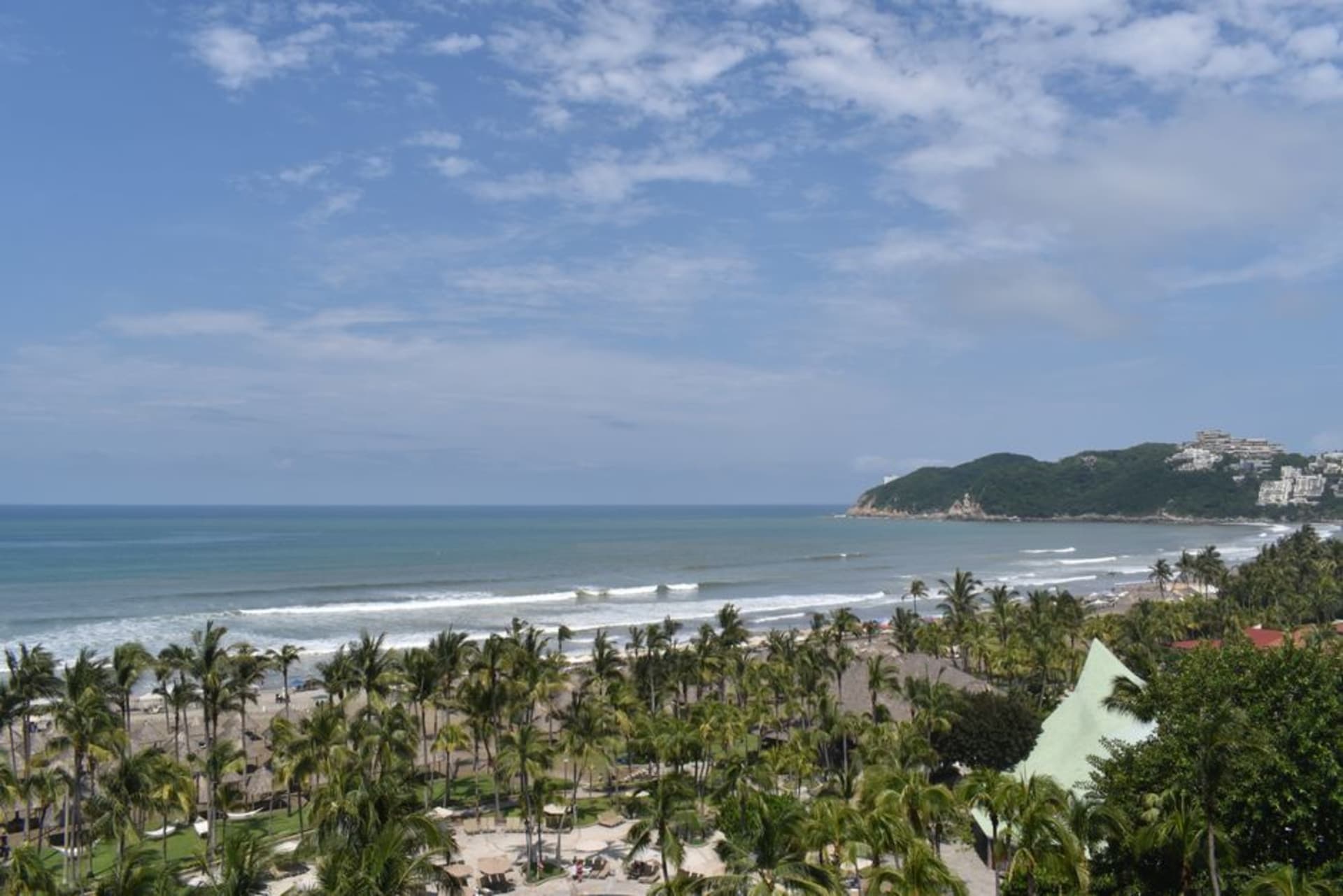
Troncones
"Troncones is Guerrero's best-kept open secret — which will not stay that way forever, so go now."
The thing about Troncones is that it exists thirty kilometers north of Ixtapa and approximately forty years from it. I arrived on a Tuesday in June, sharing the back of a colectivo with a surfboard bag and two women from Zihuatanejo who got off before the turnoff and wished me luck in a way that suggested they meant it. The road into the village is unpaved. The beach is long enough that at either end the other end disappears. I had booked three nights. I stayed eight.
La Boca and the Surf Break
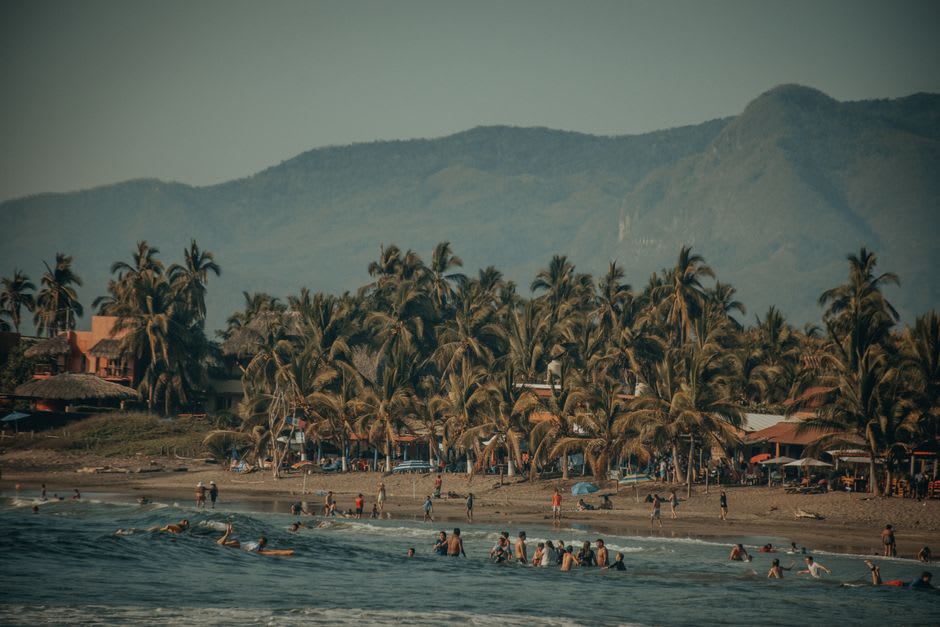
The wave at Troncones Point — locally called La Boca, the mouth, which refers to the river mouth that shapes it — works best from May through October, which is also when the rest of the coast is pounded into submission by swell. It is a left-hander: long, consistent, forgiving in the shoulder and serious enough in the pocket to hold the attention of intermediate surfers without being the kind of place where you feel like a liability in the lineup. I rented a longboard from a man named Ernesto who operates out of a palapa with no name, paddled out three mornings in a row, and caught exactly enough waves to understand why people arrange their whole calendar around this coast. The beach itself — Playa Troncones — runs nearly two kilometers with almost nothing on it: a few lanchas pulled above the tideline, the occasional heron working the rivermouth, and in the mornings a fine grey mist that burns off by nine.
When the Fish Runs Out
The restaurants in Troncones close when they run out of things to serve. This is not a philosophical statement — it is operational reality. El Burro Borracho, which occupies a terrace directly above the tideline, posts no hours. On my fourth evening I arrived at seven-thirty to find the kitchen dark and the owner, a man from Michoacán named Donato, sitting at his own bar. He had sold the last pescado zarandeado at six and was not inclined to cook anything else. He poured me a mezcal and we talked for an hour about fishing and about whether Troncones would still look like this in ten years. He was not optimistic. I went to bed without dinner and was not particularly upset about it. There is a seafood stand on the main track — no proper name, just a woman named Graciela with a comal and a cooler of corvina — that makes aguachile negro I ate twice in three days and thought about for weeks afterward.
Where to Stay and What to Expect
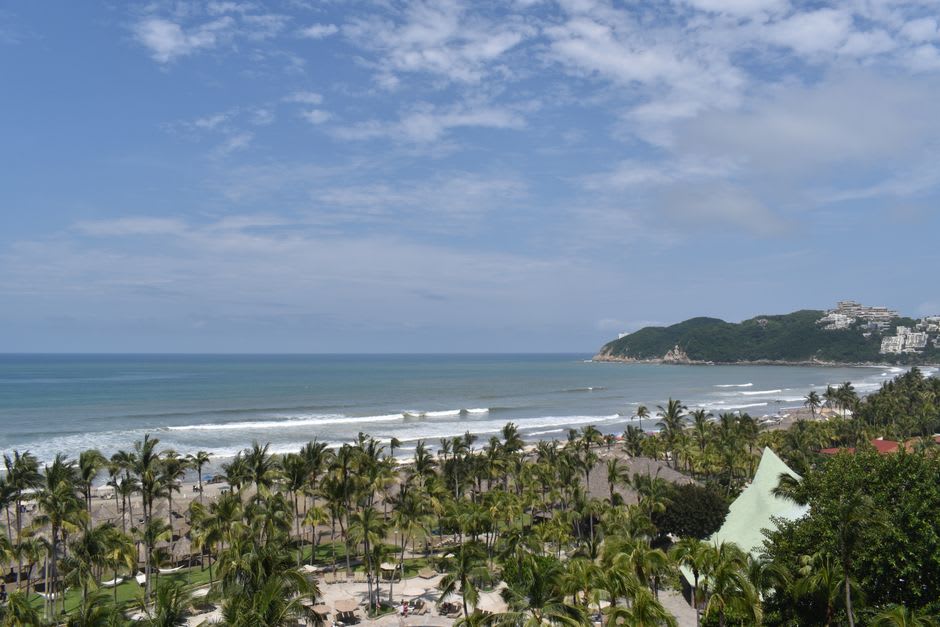
The accommodation in Troncones runs from basic to simple, with occasional detours into charming. Casa Ki and Inn at Manzanillo Bay are the most established options; both face the beach directly and operate with the kind of informal professionalism that means breakfast appears at whatever hour you negotiated the night before. I stayed at a smaller place — three cabañas behind a garden of wild hibiscus — owned by a woman named Carmen who left Cuernavaca twelve years ago and shows no signs of returning. Power comes from solar panels. The Wi-Fi is aspirational. I have personally witnessed two people arrive planning to work remotely, hold out for three days, and quietly pack their laptops onto the bus back to Zihuatanejo.
Getting There
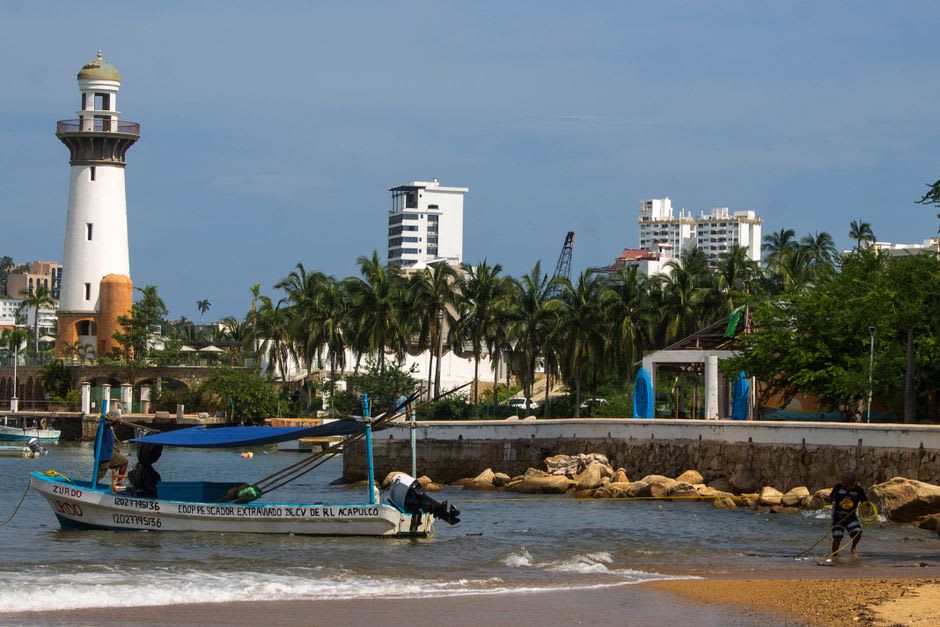
From Zihuatanejo, colectivos toward Troncones depart from the market area near the central bus terminal — ask specifically for the colectivo to Troncones or La Boca. The ride runs thirty to forty minutes and costs around forty pesos. Taxis from the airport run roughly three hundred and fifty pesos and are the sensible choice with luggage, a surfboard bag, or any combination of both.