Playa Ventura
"Black sand, zero cell service, and a turtle releasing herself back into the surf at dawn — that is a good three days by any reasonable measure."
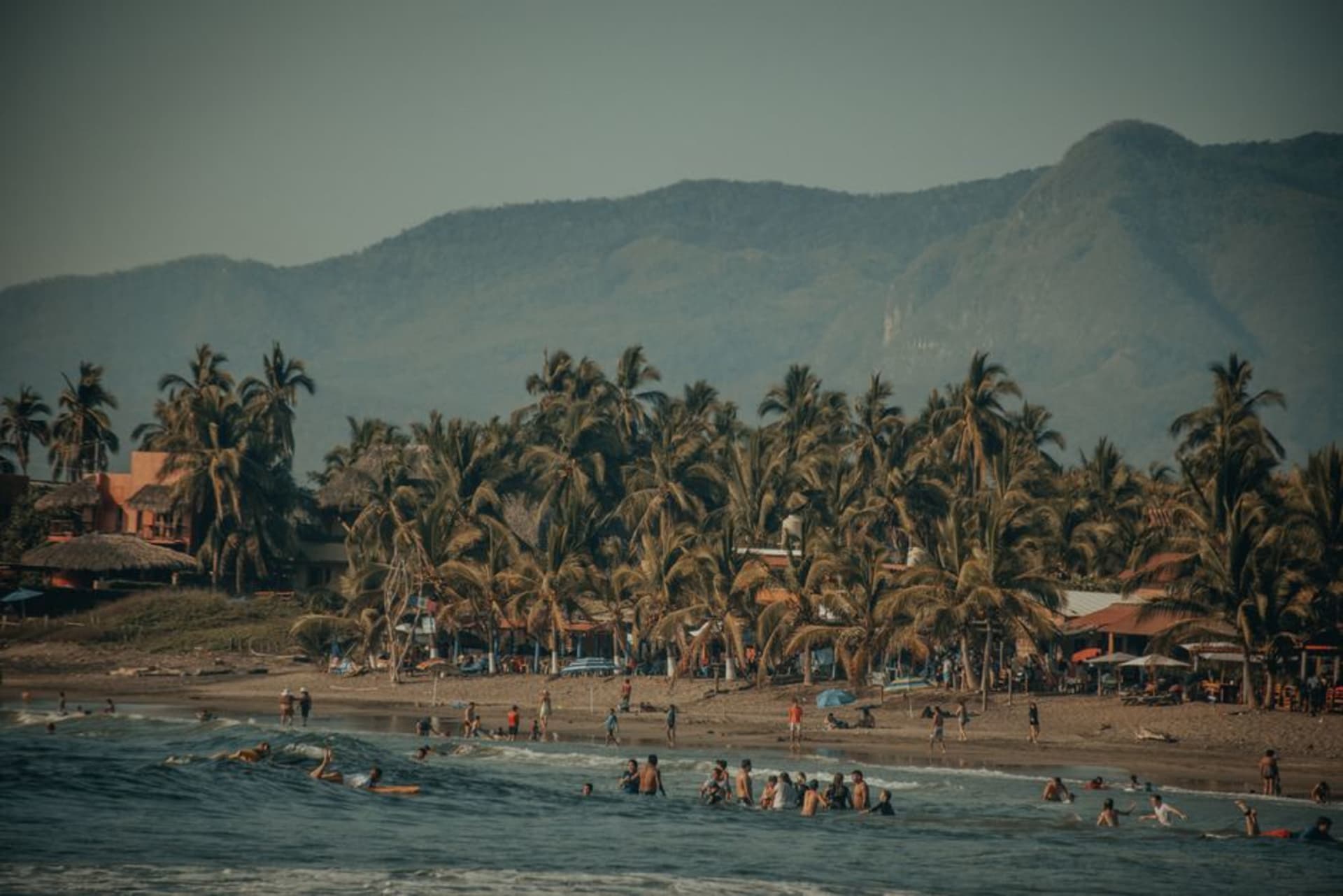
The combi from Marquelia drops you at a junction where a handpainted sign points toward the coast and nothing else does. I arrived at Playa Ventura at two in the afternoon on a Thursday, one change of clothes in my bag and the vague intention of sleeping somewhere before continuing south toward Pinotepa Nacional. The beach is black sand — not the charcoal grey that sometimes passes for black, but proper volcanic black that holds heat into the evening and reflects nothing, a matte strip between the palms and the Pacific. That was three days ago.
The Turtles and the Pangas
Between July and December, olive ridley sea turtles come ashore here to nest, and this beach in the Copala municipality is one of the quieter spots along the Guerrero coast where it still happens without a fence and a ticket booth around it. I arrived in mid-October, which is peak season, and on my second morning I woke at five and walked the sand and found a turtle already making her return to the water — heavy, methodical, indifferent to my presence in the way that ancient animals tend to be. The path she had worn from nest to waterline was still visible twenty minutes after she disappeared. A small rotating team of local volunteers monitors the nests overnight; one of them, a young man from Copala named Rodrigo, offered me coffee from his thermos without making a performance of it.
The fishing pangas go out before the turtles come back. By four in the morning you can hear the outboards starting somewhere down the beach. By seven, the catch is being sorted on the sand — mostly huachinango and robalo — and by eight, the handful of comedores along the main dirt track have whatever they’ll be serving that day.
The Comedores on the Track
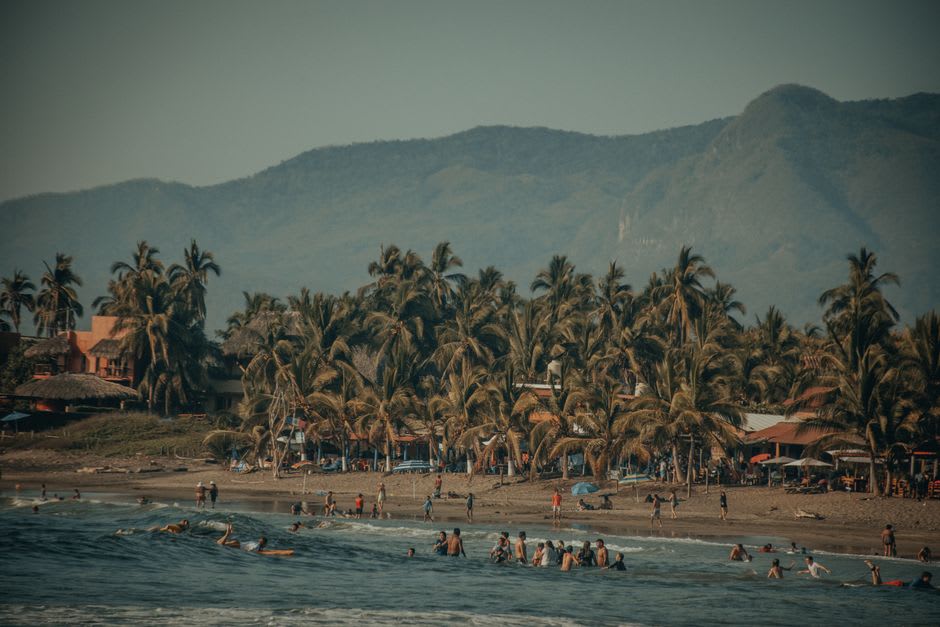
There are three places to eat in Playa Ventura and they are functionally the same comedor run by three different families, which is the most efficient food system I have encountered on the Guerrero coast. I ate at Doña Celia’s every morning without deciding to — fresh tortillas pressed while you watch, eggs with black beans, and a salsa roja dark enough to suggest it had been left to concentrate overnight. Lunch on two of my three days was pescado a la talla: the local version uses a rub somewhere between achiote and chile ancho, grilled over mesquite, served with sliced cucumber, lime, and tortillas that keep arriving until you raise a hand to stop them. There is no written menu anywhere in Playa Ventura. You ask what there is, they tell you, and that is the menu.
How to Not Leave Immediately
There is no cell service. This is briefly a problem and then, after about six hours, it is not. I had brought a book I had been meaning to read for four months and finished it in two days. The beach is long enough that walking its full length south to the rocky point where the fishermen clean their catch takes forty minutes, and you are unlikely to pass more than two or three people doing it. The rooms behind Doña Isabel’s place along the main track were three hundred pesos a night when I was there — negotiate gently, because these are not tourist prices in a tourist place and everyone knows it.
Getting There
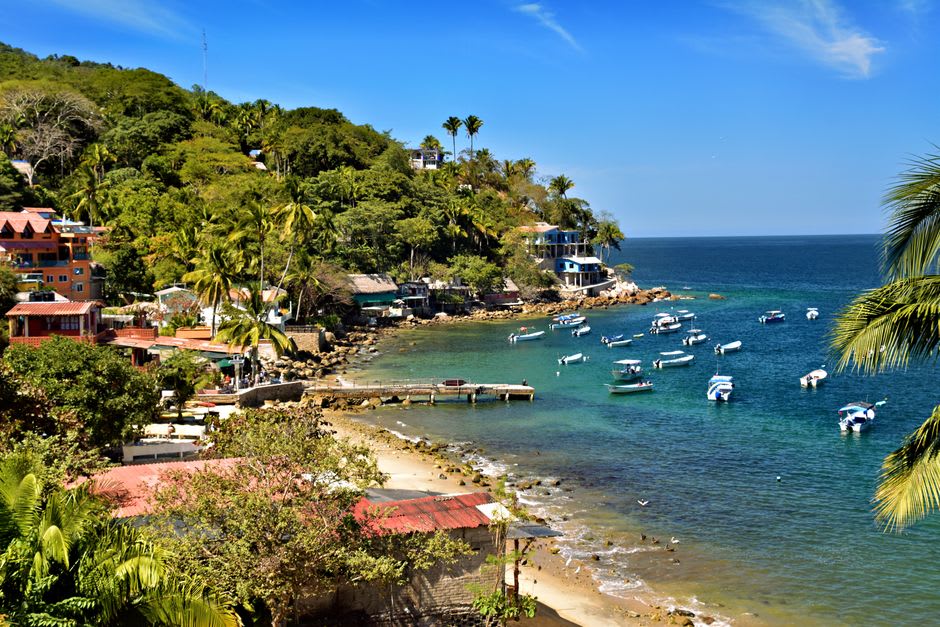
The closest town with colectivo connections is Marquelia, on Federal Highway 200 about fifteen kilometers inland. From Acapulco, take a colectivo toward Cruz Grande and change in Marquelia for a mototaxi or local combi to Playa Ventura — the last stretch is unpaved and takes around twenty-five minutes. From Puerto Escondido or Pinotepa Nacional, Marquelia is roughly ninety minutes by colectivo going west.