Villa Guerrero
"At 4am in Villa Guerrero the trucks are already loading, the fog is thick, and there are more roses in one room than I have ever seen outside a dream."
I came to Villa Guerrero because a florist friend in Puerto Escondido mentioned the wholesale market almost as an aside — not a recommendation exactly, more the way you mention a fact you assume everyone already knows. I did not know. I took a morning bus from Observatorio, arrived in a town I had never heard of, and found myself standing in the dark at 4:30am watching trucks so full of roses they looked implausible, their headlights cutting through fog that sits on this valley like something permanent. I had planned to spend a few hours. That was a miscalculation.
The Market Before the City Wakes
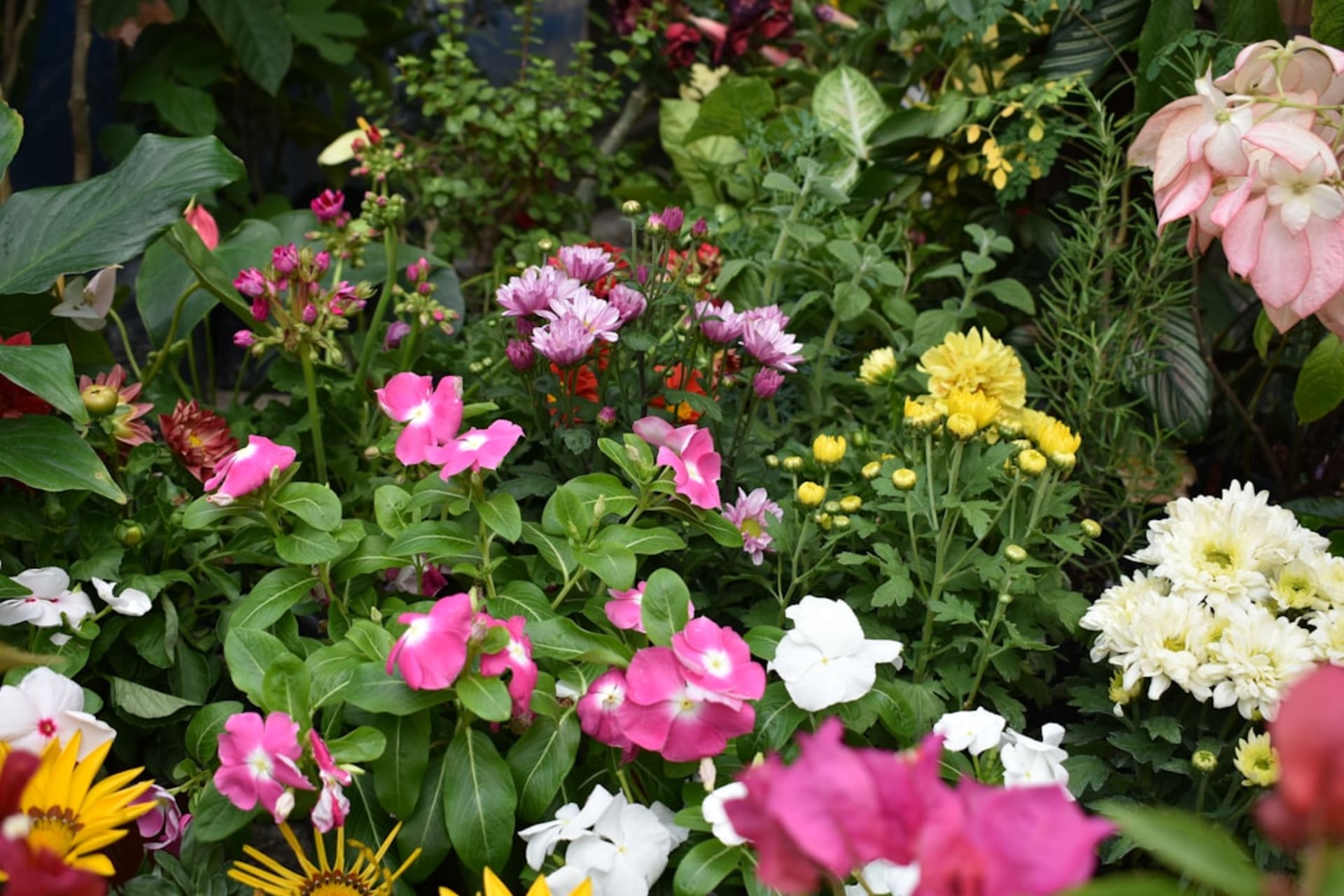
The Mercado de Productores opens before the sun does. By 4am the fluorescent lights are already blazing over stall after stall of cut flowers — roses in forty colors I could not name precisely, chrysanthemums bundled in white and yellow and a rust that reads almost brown, gladioli so tall they lean against the concrete pillars like they’re tired. The buyers are distributors running the CDMX circuit: Mercado Jamaica, hotel lobbies, the street corners in Polanco and Coyoacán. They move fast, they know exactly what they want, and nobody is here to browse. I walked slowly anyway. A vendor near the north entrance — Señora Yolanda, according to the hand-painted board above her stall — handed me a single white rose without explanation and went back to her negotiation. I kept it in my jacket pocket until it wilted somewhere around Tenancingo on the ride home. The market handles something like 60 percent of Mexico’s cut-flower wholesale volume on peak days. Standing inside it at full tilt, that number stops being a statistic.

Between the Greenhouses
Villa Guerrero proper is not particularly picturesque by any conventional measure. The zócalo feels slightly undersized for the life happening around it, and the greenhouses — miles of white plastic sheeting on the slopes outside town — are mostly invisible from the main street. You know the industry is everywhere without quite being able to see it. What the town does exceptionally well is feed people who start early and work hard. Around 7am, when the market rush has passed, the fondas along Calle Morelos fill up with growers and drivers eating barbacoa de borrego with consomé on the side — a thin broth with chickpeas and chiles de árbol that you drink from a clay cup, and which does more against morning cold than coffee has ever done for me. I found a narrow counter serving quesadillas made with blue corn masa only because I followed a man in muddy boots through a door I would have walked past otherwise. The masa had that slight sour depth that means it was nixtamalized right and left to rest.

How to Approach a Visit
The market is the main event and everything else should orbit around it. Set an alarm for 3:30am — it sounds extreme until you are there and realize the first hour, roughly 4 to 5am, is when volume and intensity peak before the distributors pull away. After the market, eat in town. The mirador on the slope above Villa Guerrero gives you a view of the greenhouse corridor stretching south toward Tenancingo that is genuinely disorienting: a valley that should be farmland replaced entirely by one crop, repeated to the horizon in every direction. For flowers to bring back: the market sells retail in its later hours. A bundle of forty roses costs less than an espresso in Roma Norte, and the stems are fresher than anything you will find in the city.
Getting There
From Mexico City’s Observatorio bus terminal, several lines run toward Tenancingo; ask specifically for a service stopping in Villa Guerrero, or change in Tenancingo and take a colectivo (ten minutes, very frequent). Total journey from CDMX is roughly two hours. If you are targeting the predawn market, consider staying in Tenancingo the night before — it has more accommodation and a taxi to Villa Guerrero at 3:30am is straightforward from there.