Zaragoza Archaeological Zone
"There were pictographs everywhere — behind the obvious ones were more, and behind those, more still. I kept finding new figures for two hours."
I came to Zaragoza on a Tuesday in late October, when the heat of the Chihuahuan Desert had finally softened into something bearable. The town itself is modest — a plaza, a church, a handful of taquerías where nobody looks up when a stranger walks in. I ate two tacos de guisado, drank coffee that had been sitting too long, and asked the woman at the counter about the pinturas. She pointed generally toward the sierra. I found the site on my own, which felt appropriate.
Hundreds of Figures, Each One a Separate Discovery
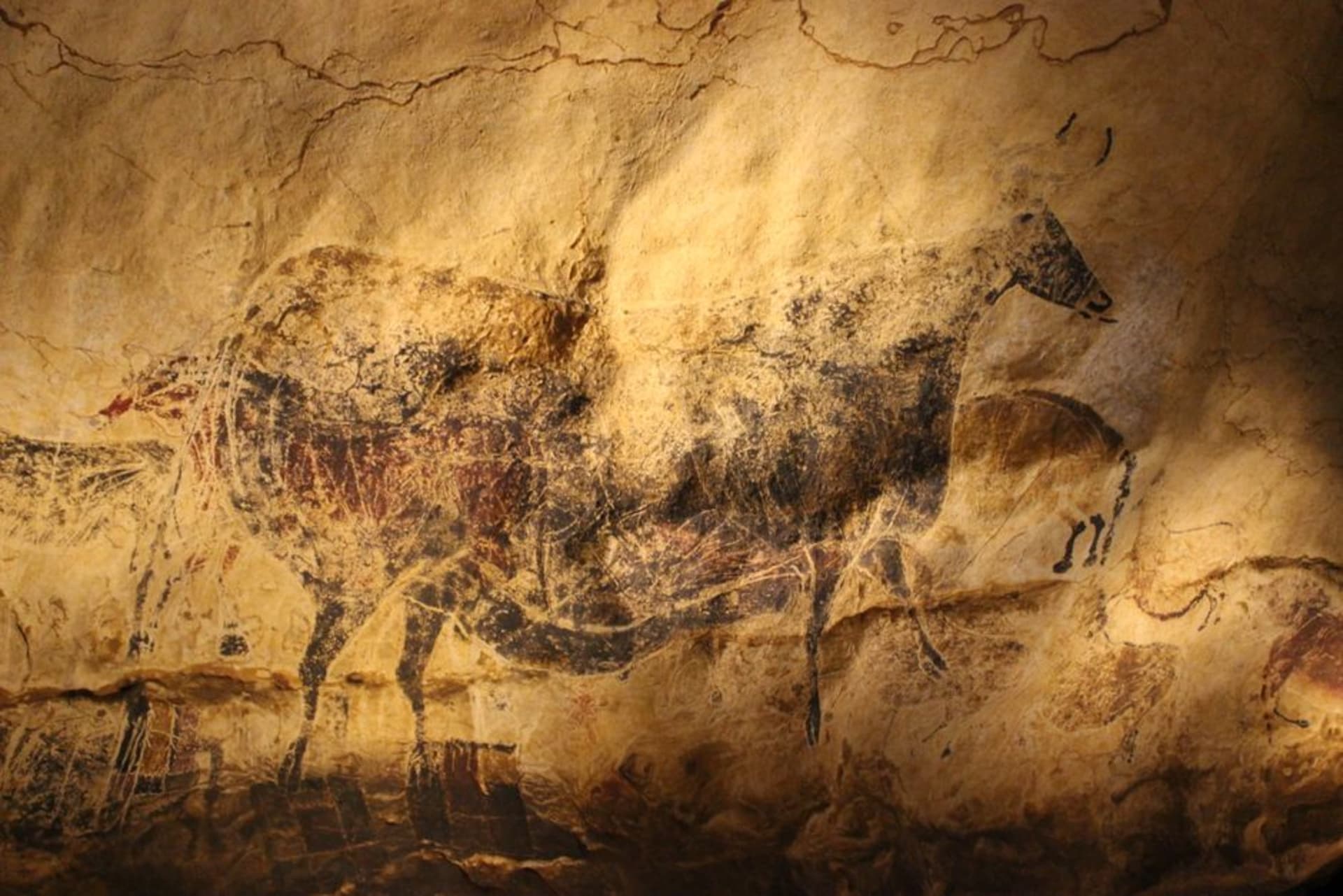
The rock shelter opens gradually. You round a bend in the arroyos and the overhang appears — wider than you expected, lower-ceilinged, the back wall stained dark from millennia of contact with human hands and mineral pigments. The first figures you notice are the obvious ones: a large deer, a procession of hunters, geometric forms that might be stars or water or something no living person can name. Then you slow down. Your eyes adjust. And you start to see the rest.
There are figures layered over figures — different eras of painter working the same surface, the older images fading into the rock itself. Scholars debate whether these paintings are two thousand years old or four thousand. Nobody is entirely certain. What strikes me is not the age but the sheer density of intention: someone stood exactly where I was standing and decided this particular wall, this particular shelter from the Coahuila sun, was worth marking. The red pigment, iron oxide mixed with animal fat according to most accounts, has held its color in a way that feels almost unfair to the things built yesterday.
A Site That Has Not Been Managed to Death
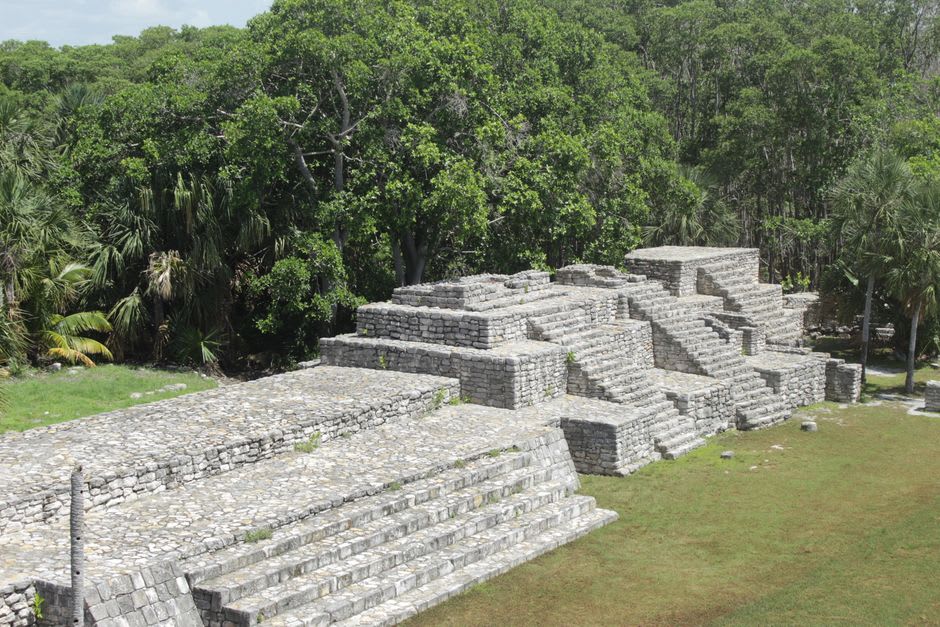
Part of what makes Zaragoza different from better-known rock art sites in Mexico is the absence of infrastructure. There is no interpretive center, no paved path, no recorded audio tour. A local guide from town — I met mine through the woman at the taquería, who turned out to be his aunt — will walk you out and point to things you would miss entirely on your own. He charged me two hundred pesos for two hours and spent most of that time saying nothing, which I respected.
The lack of crowds is real. I saw two other visitors the entire morning, both of them researchers from a university in Saltillo with notebooks and measuring equipment. We exchanged nods. The silence at the site is not the performed silence of a museum but the accidental silence of a place most people do not bother to reach.
Light, Dust, and the Drive Back
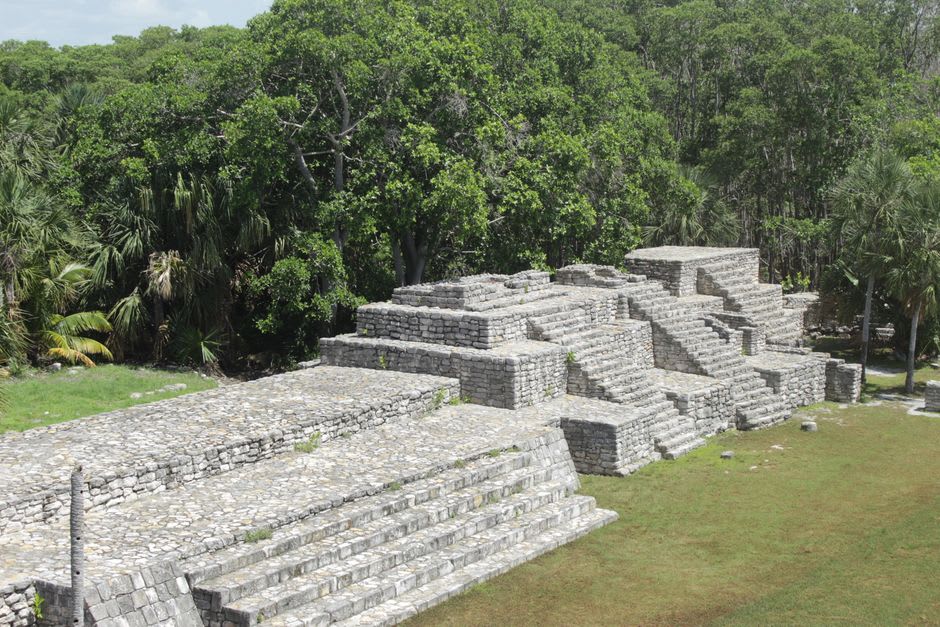
The best light hits the shelter wall between nine and eleven in the morning, when the sun enters at a low enough angle to catch the pigment without washing it out. By noon the rock face goes flat and the paintings recede. I walked back to town through scrub and dry grass, flushed a jackrabbit, and ate lunch at the same place I had breakfast.
The drive back toward Saltillo on Federal Highway 57 takes about two and a half hours through country that is beautiful in a way that requires patience — wide and dry and the color of sand.
Getting There
Zaragoza, Coahuila sits roughly 200 kilometers south of Saltillo via Federal Highway 57. There is no bus service to the archaeological zone itself — you need your own vehicle or a taxi from town willing to wait. Hire a local guide through the Presidencia Municipal or by asking around the plaza. Bring water, sun protection, and cash.