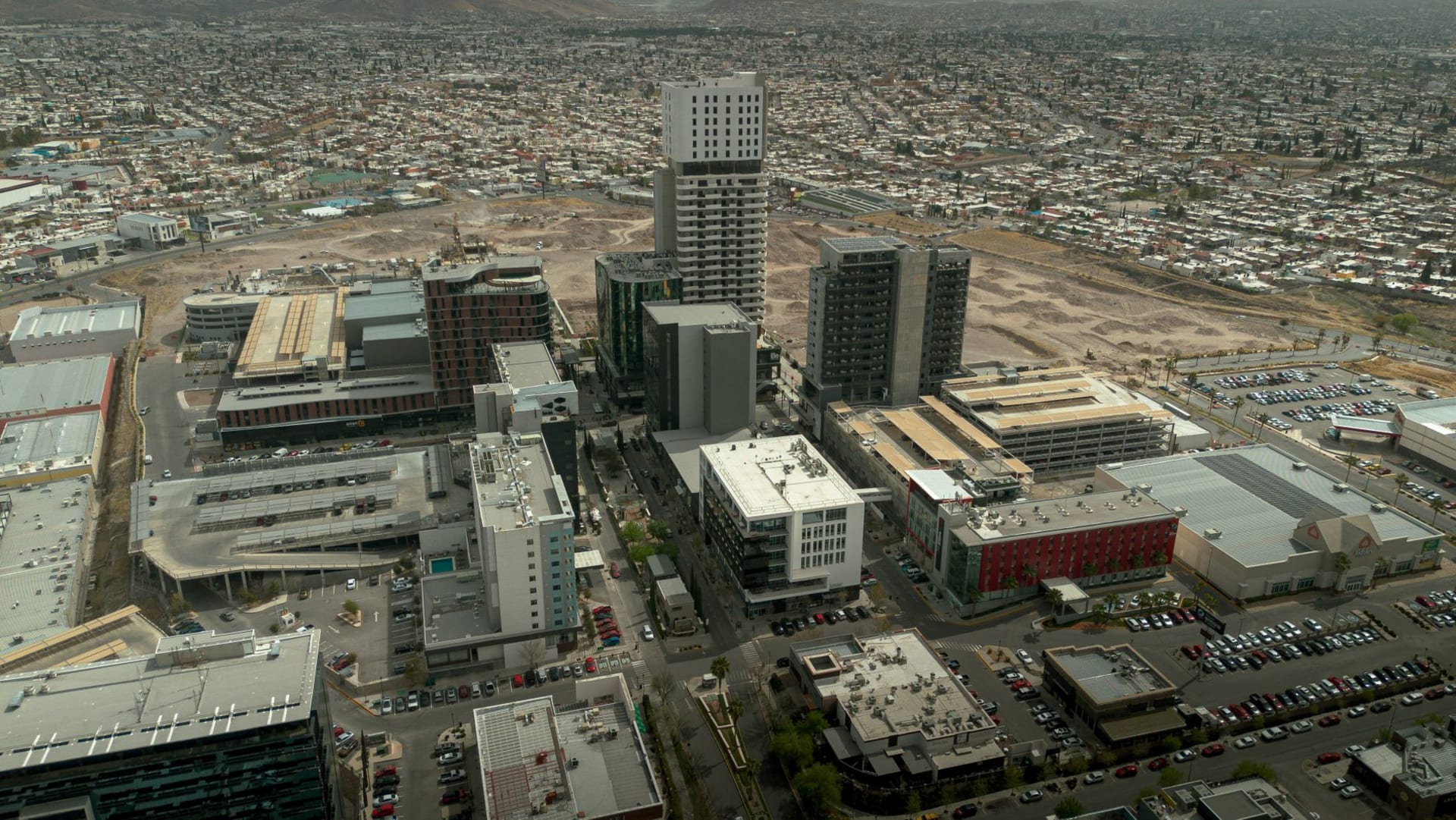
Saltillo
"I came for one night on the way somewhere else and stayed three. The serape alone would have justified the detour."
I had Saltillo marked on my map for the wrong reasons. It’s a large city — over a million people, industrial, the capital of Coahuila — and I expected to move through it quickly: one night, a look at the cathedral, back on the bus. I stayed three nights. This happens sometimes. The cities that make no promises are frequently the ones that keep them.
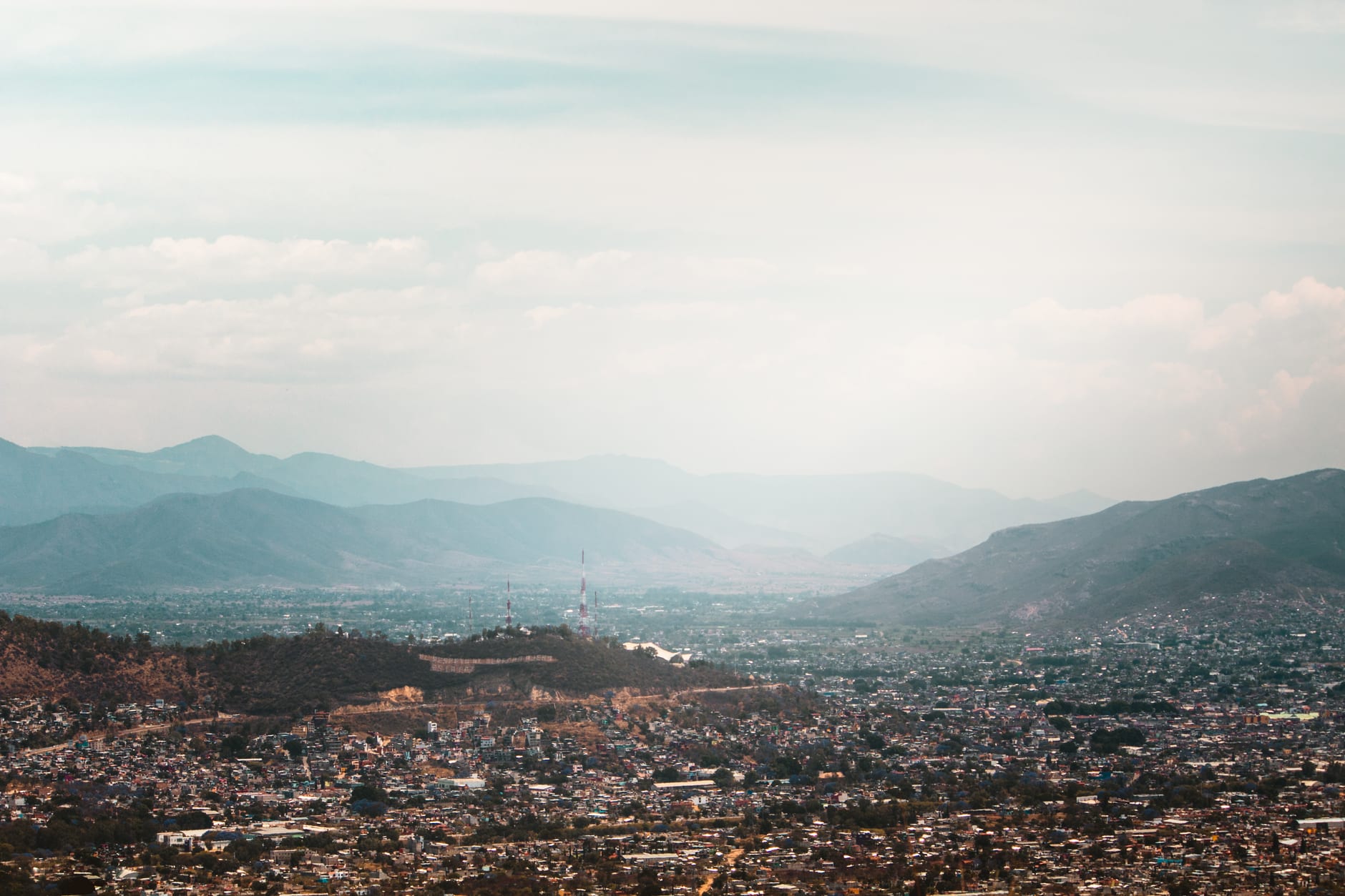
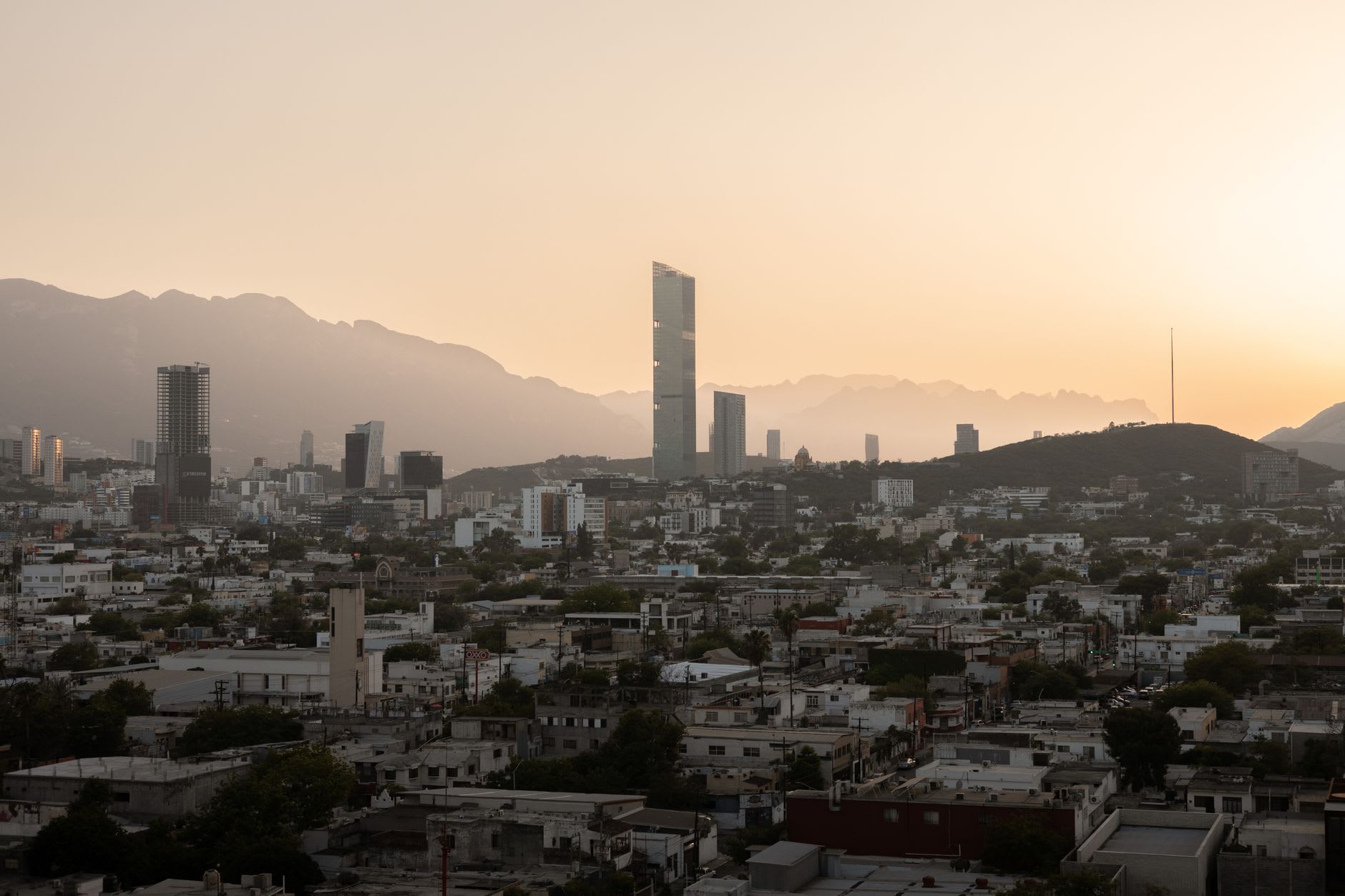
Saltillo sits at 1,600 meters, which is high enough to give it a climate completely unlike the desert surrounding it. I arrived in early November on a bus from Monterrey and stepped out into air that was cool and dry and sharp, the kind of air that makes you feel slightly more awake than usual. The light at altitude has a particular quality — harder-edged, the shadows more definite, the sky a saturated blue that southern Mexico doesn’t quite achieve in the same way. Walking from the bus terminal toward the centro, I was wearing a jacket. That detail matters more than it sounds.
The Serape and What It Means
The Saltillo serape is a specific object. Not the generic striped blanket sold in every Mexican market from Tijuana to Chetumal, but a wool textile with a diamond or lozenge pattern in the center — traditionally in deep reds, blues, and blacks — documented in this city to at least the seventeenth century. The craft survived the transition from colonial to independent Mexico, survived the revolution, survived synthetic fibers, and can still be found at the Mercado Juárez from weavers whose workshops are within a few blocks of where their predecessors worked three hundred years ago.
I spent about an hour in the market examining them. The distinction between the real thing and the tourist approximation is immediate once you know what to look for: the weight of the wool, the density of the weave, the particular way the diamond pattern creates an almost optical vibration at the center where the colors meet. I bought one for my mother, which required explaining to her later by video call — in French, which added a layer of difficulty — what exactly it was that I’d sent her. A blanket? Not exactly. A poncho? Also not exactly. A several-hundred-year-old textile tradition from the capital of a Mexican desert state that her son had become unexpectedly attached to? Closer.
The wool was still warm in my hands when I left the market. It was 15 degrees Celsius outside. In northern Mexico in November, that counts as a cold day.
The Cathedral and the Museum
The Catedral de Santiago de Saltillo is one of the most beautiful baroque cathedral facades in northern Mexico, and I say this having now seen a reasonable number of them. Completed around 1800 in pale cantera stone — a volcanic stone that is almost white in direct sun — the facade is more restrained than the Churrigueresque churches of central Mexico but has a severity appropriate to the north, a clarity of line that the lush carving of the south doesn’t always achieve. The towers are not identical; one is slightly broader than the other, a common enough asymmetry in colonial construction but here it reads as confidence rather than error.
The interior is calmer than the facade promises, which I appreciated. Pierre the person I am when in churches is the person who wants silence, not performance. I sat in a pew for twenty minutes in the morning when the plaza was still quiet and almost no one else was there, and that was the right amount of time.
The Museo del Desierto is a genuinely excellent natural history museum on the edge of the centro focused on the Chihuahuan Desert — the largest desert in North America, which most people have never heard of because it sits mostly south of the Rio Grande and doesn’t have the branding of the Sonoran. I admit I had low expectations for a natural history museum in a northern Mexican industrial city. I was wrong to have them.
The paleontology section is the revelation. Coahuila sits within one of the richest dinosaur fossil beds in the world; the Cerro del Pueblo formation near Saltillo has yielded hadrosaur species, ceratopsians, and other Cretaceous fauna in densities that have kept Mexican paleontologists busy for decades. The museum displays these with a seriousness — the fossils themselves, not theatrical reconstructions — that I associate more with the MNHN in Paris than with tourist-adjacent natural history institutions. I spent a half-day there and felt no impatience. That is my benchmark.
Breakfast Before the City Wakes
The burrito I understand from Tex-Mex — flour tortilla, enormous, stuffed with things that pile up rather than integrate — bears almost no relation to what I ate for breakfast three mornings in a row at a comedor near the Mercado Juárez. The Saltillo burrito is small, dense, and serious. A flour tortilla — thin, more pliant than a French crêpe but not dissimilar in its logic, warm from the comal — folded around machaca (dried and shredded beef that has been rehydrated and cooked with onion and chile), black beans, and a spooned-on salsa that is there to provide heat rather than flavor. The whole thing is about the size of my hand.
I ate three for breakfast on my first morning and felt no guilt. The machaca is the thing. It has a particular texture — slightly fibrous, intensely savory — that suggests meat that has been taken seriously over a long period rather than cooked quickly and forgotten. The flour tortilla, which comes from this northern tradition and not from any American influence, is genuinely a near-relative of the crêpe: thin, wheaten, slightly chewy, better as a vehicle than as a food in itself. I said this to the woman running the comedor. She looked at me for a moment and then said something I didn’t entirely catch, which may have been agreement or may have been dismissal, but she brought me a fourth burrito anyway.
The cold morning in the plaza is the other thing. Saltillo in November at 8am: the cathedral still in shadow, the square nearly empty, a shoe-shine man setting up his stand at the base of one of the lamp posts, a woman selling coffee from a thermos near the entrance to the Palacio de Gobierno. I had a jacket. I could see my breath. This is not what most people imagine when they imagine Mexico, and the distance between that imagination and this reality is part of what I love about the north.
Beyond the serapes, the Mercado Juárez carries some of the best regional products in Coahuila: dried chiles from the desert valleys south of the city, cajeta de membrillo — a dense quince paste that is a remnant of the Spanish colonial sweet tradition — and pecans, the nuez de castilla that grow in the river valleys of northern Coahuila and that appear roasted and salted in small bags throughout the market. I bought a bag and ate them walking back to my hotel. I have had more refined snacks. I have not always had better ones.
Getting There and Practical Notes
Getting there: Saltillo is 1.5 hours by direct bus from Monterrey (frequent ADO and Omnibus services) and has its own airport with connections to Mexico City. The bus from Monterrey is fine and arrives at a terminal walkable to the centro.
Where to stay: Stay near the centro histórico — within walking distance of the cathedral and the Mercado Juárez. The city has good mid-range hotels and a few boutique options in restored colonial buildings.
When to go: October through April, when the altitude makes the city genuinely pleasant — cool to cold evenings, clear days. Summers can be hot though the elevation moderates it; winters are cold enough for a proper jacket, which is its own kind of pleasure in Mexico.
What to avoid: The serapes sold in tourist-facing shops near the plaza are, almost uniformly, not the Saltillo serape. They are striped acrylic. The real ones are at Mercado Juárez, from weavers, in wool. The difference is tactile and immediate.