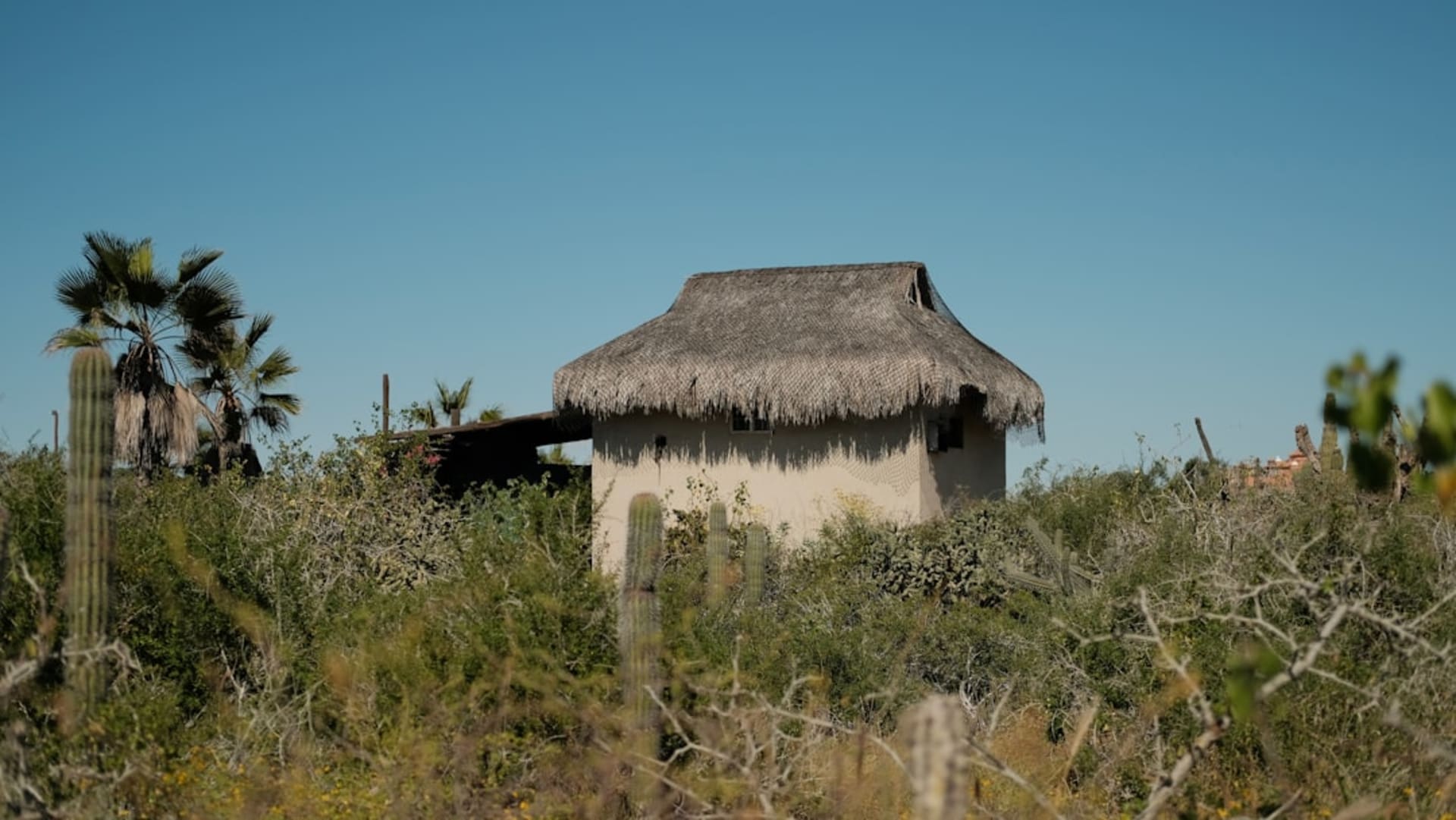
Paquimé
"The city had running water and underground heating in 1200 CE. It traded with the Mississippi mound-builders and with Tenochtitlán simultaneously. Nobody knows what language they spoke."
Paquimé (also known as Casas Grandes) is the most important archaeological site north of the Tropic of Cancer in Mexico and one of the most puzzling pre-Columbian sites in North America. The city — a UNESCO World Heritage Site since 1998 — reached its peak between 1200 and 1450 CE, when it served as the primary commercial nexus between the Pueblo civilizations of the American Southwest and the Mesoamerican civilizations of central Mexico, trading copper bells, macaw feathers, and shell ornaments along routes that extended from the Mississippian mound-builders in the US Southeast to the Aztec empire.
Then, around 1450, it was burned and abandoned. The identity of the people who built it, the language they spoke, and the cause of their city’s end remain actively debated by archaeologists.
The Ruins
The site covers 36 hectares of multi-story adobe construction — some walls still standing to their original three or four stories, the individual rooms visible, the doorways with their characteristic T-shape (a feature shared with Pueblo architecture in New Mexico and Arizona that suggests common cultural connections). The architectural scale implies a population of several thousand people at the city’s peak.
The most remarkable features:
The water system — an engineered network of channels and drains that brought spring water from the mountains into the city and distributed it through underground pipes to individual structures. The system is more sophisticated than anything built in North America north of Mexico until the colonial period.
The macaw pens — large, purpose-built enclosures within the city for keeping scarlet macaws (Ara macao), whose feathers were traded south to Mesoamerica where they were used in ceremonial dress. The macaws required a tropical habitat in the middle of the Chihuahuan desert; the pens show evidence of heating systems to maintain temperature. The macaw economy at Paquimé — buying juvenile birds from the lowland forests, raising them to feather-producing maturity in the desert, trading the feathers south — represents a level of commercial specialization unexpected at this latitude.
The ball courts — several ball courts in the Mesoamerican style, confirming the southern trade and cultural connections.
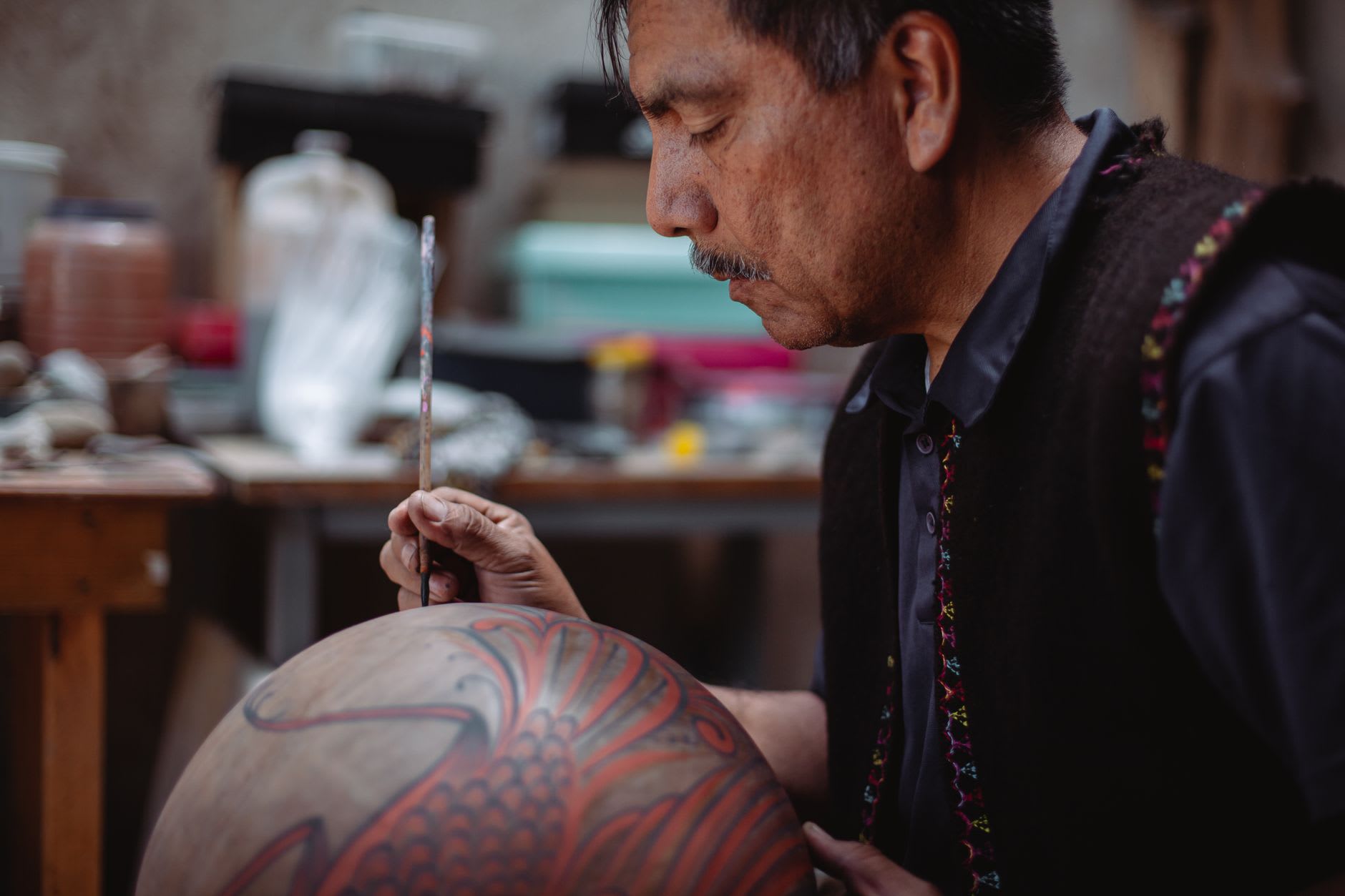
The Casas Grandes Pottery
The contemporary Casas Grandes pottery tradition — produced by the Mata Ortiz village 30 kilometers from the ruins — is the most remarkable craft revival story in Mexico. In the 1960s, a self-taught Casas Grandes potter named Juan Quezada began studying the ancient Paquimé pottery sherds he found in the desert, reconstructing the techniques (the clay sources, the temper, the painting methods, the open-fire kiln process) without formal training and without modern equipment.
By the 1970s, Quezada was producing pots of extraordinary technical quality that replicated and surpassed the ancient originals. An American researcher, Spencer MacMillan, documented Quezada’s work in 1976 and facilitated connections with the US art market. By the 1980s, most of Mata Ortiz village had learned the technique from Quezada, each potter developing an individual visual vocabulary within the ancient framework.
The pottery now produced in Mata Ortiz — thin-walled, hand-coiled, painted with geometric designs using mineral pigments applied with human hair brushes, fired in outdoor kilns — is collected internationally and exhibited in major museums. The village of 2,000 people has approximately 400 active potters. Visiting Mata Ortiz and buying directly from the potters’ homes, seeing the full range from apprentice work to master-level pieces, is one of the best craft experiences in Mexico.
Getting there: The nearest city is Nuevo Casas Grandes (6 kilometers from the site), reached by buses from Chihuahua city (3h) or from Ciudad Juárez (4h). The site is 10 minutes from Nuevo Casas Grandes by taxi. Mata Ortiz is 30 kilometers south on a paved road.
When to go: October through April for bearable Chihuahuan desert temperatures. The summer (May-August) is hot enough to make the outdoor site difficult. The ruins are open daily; Mata Ortiz potters receive visitors throughout the year by simply approaching the houses (most have pieces displayed outside).