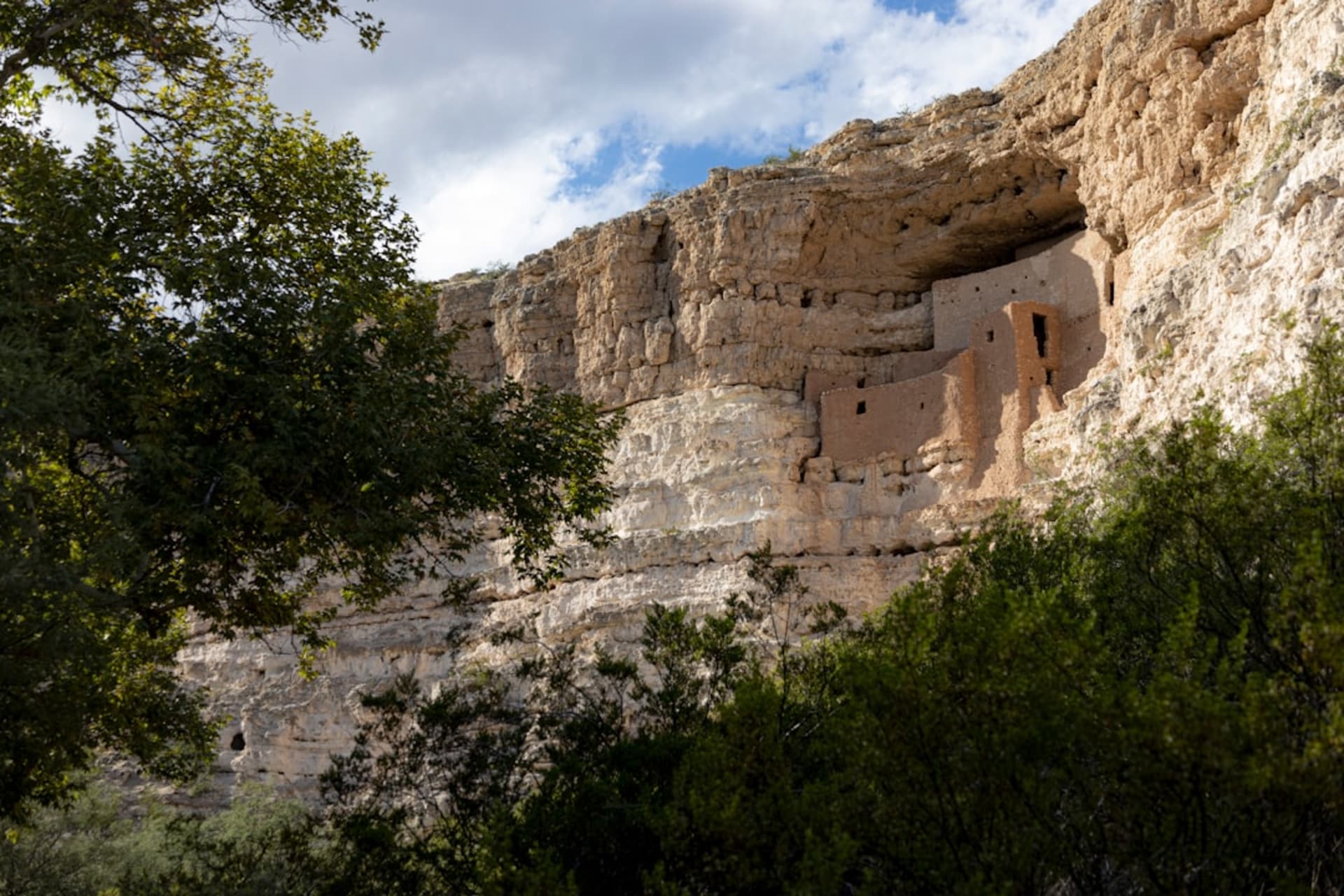
Madera Cliff Dwellings
"Forty houses in the cliff face, a thousand years old, and not another tourist in sight — I checked."
I pulled off the dirt road to the Cuarenta Casas trailhead at around nine in the morning, engine ticking in the cold, pine forest completely still. There was one other vehicle — a pickup belonging to the site caretaker. I walked the three kilometers down into the canyon alone, altitude pressing on my chest in that slow, insistent way highlands have, and arrived at a natural alcove the size of a cathedral nave where a dozen adobe rooms sat exactly as their builders left them. I stood there a long time, not entirely sure what to do with the silence.
The Dwellings Themselves
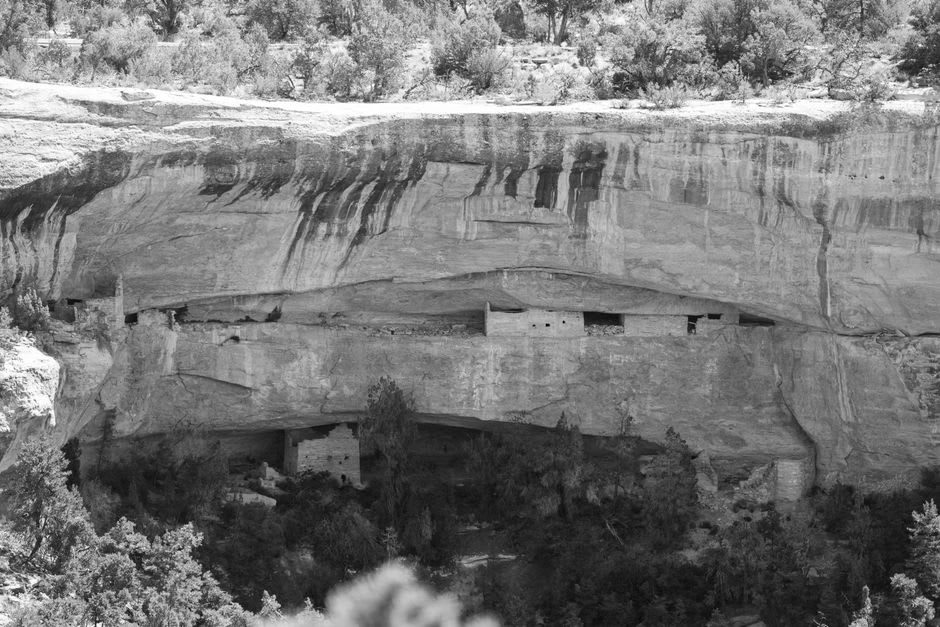
Cuarenta Casas — forty houses — is the collective name for several cliff-face settlements built by the Paquimé culture somewhere between 900 and 1200 CE. The main accessible group, called La Cueva de las Ventanas, is the one most visitors reach: a tiered stack of adobe rooms set into a volcanic tuff alcove about sixty meters above the canyon floor. The walls still stand. Some of the plaster still holds. There are T-shaped doorways, storage niches, what looks like a kiva-style ceremonial space. The INAH signage is minimal, which I appreciated — you’re left to read the architecture yourself rather than have it explained at you. The hike down from the trailhead drops about 300 meters over three kilometers of rocky switchbacks; going back up at this altitude is a genuine workout. Bring more water than you think you need and plan for two to three hours on site.
Madera, the Town
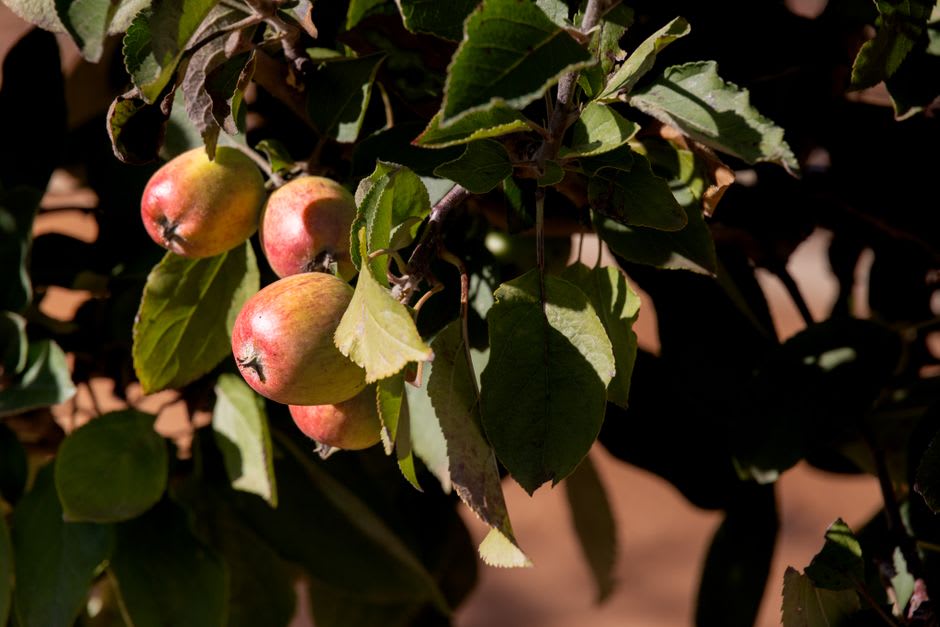
The thing nobody tells you about Madera is how pleasant it is as a place. It sits at around 2,100 meters in a highland valley that smells of pine resin and, in autumn, of apple orchards. The town grew up around logging and still has that timber-industry straightforwardness — wide streets, hardware stores, taco stands that open at seven. I ate birria de res two mornings running at a spot near the central plaza where the woman running it clearly found my French accent baffling. The market on Calle Libertad had apples piled in wooden crates and sacks of dried chiles I didn’t know how to identify. There are a handful of small hotels along the main road; I stayed at one with thin walls and excellent blankets and slept better than I had in weeks.
The Drive Through the Highlands
Even if the dwellings didn’t exist, the drive to Madera would be worth making. Coming from Chihuahua City on Highway 16 west, the road climbs steadily through semi-arid scrub before the Sierra breaks open and everything goes pine and granite and cold light. The stretch between La Junta and Madera passes through Mennonite farming country — pale-painted houses, flat fields, cheese sold directly from refrigerated roadside shacks. I bought half a kilo of queso menonita from a teenager who handed it to me wordlessly and went back to his phone. The whole corridor has a quality of existing slightly outside the usual Mexico.
Getting There
Madera is roughly 300 kilometers west of Chihuahua City via Highway 16 — about four hours by car through La Junta. There is bus service from Chihuahua but no public transport to the Cuarenta Casas trailhead, which is 26 kilometers south of town on a graded dirt road. A rental car or a negotiated ride from Madera is necessary. The site is managed by INAH; entry is around 70 pesos.