Cerocahui
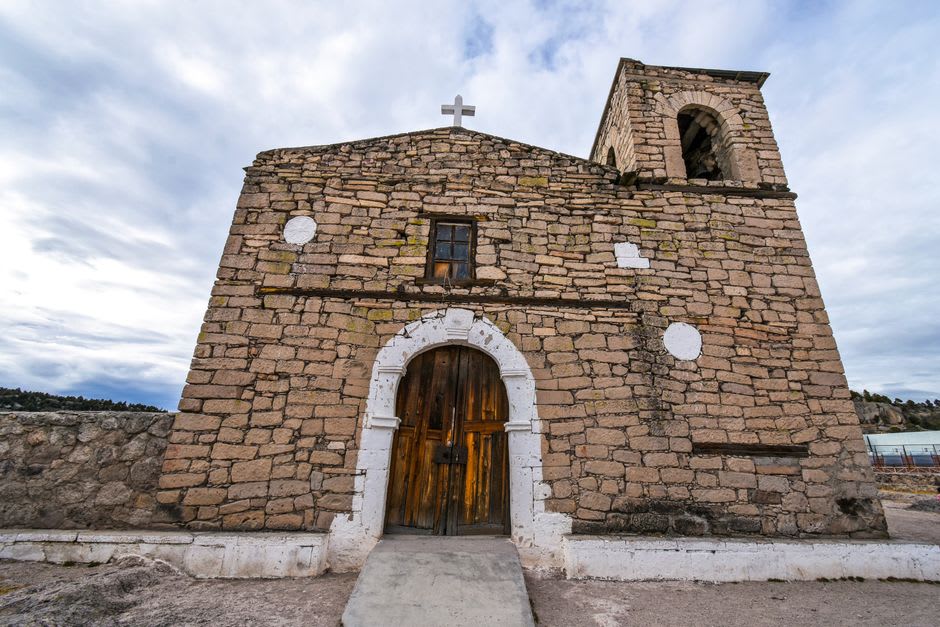
"The mission at Cerocahui looked so peaceful in the morning light that I had to remind myself it took three hours of dirt road to reach it."
The conductor called out Bahuichivo and maybe a third of the car stirred — checking phones, glancing at the canyon walls. I was one of four people who actually stood up. From the platform you take a truck, someone’s truck, a fixed arrangement, nothing posted anywhere, up a dirt road that climbs and switchbacks for about three hours into the sierra. By the time Cerocahui appeared below through the pines, a white church tower catching the last of the afternoon light, I had already decided the detour was worth it. The valley smelled of wood smoke and apple trees, and there was almost nobody else around.
The Mission and the Valley
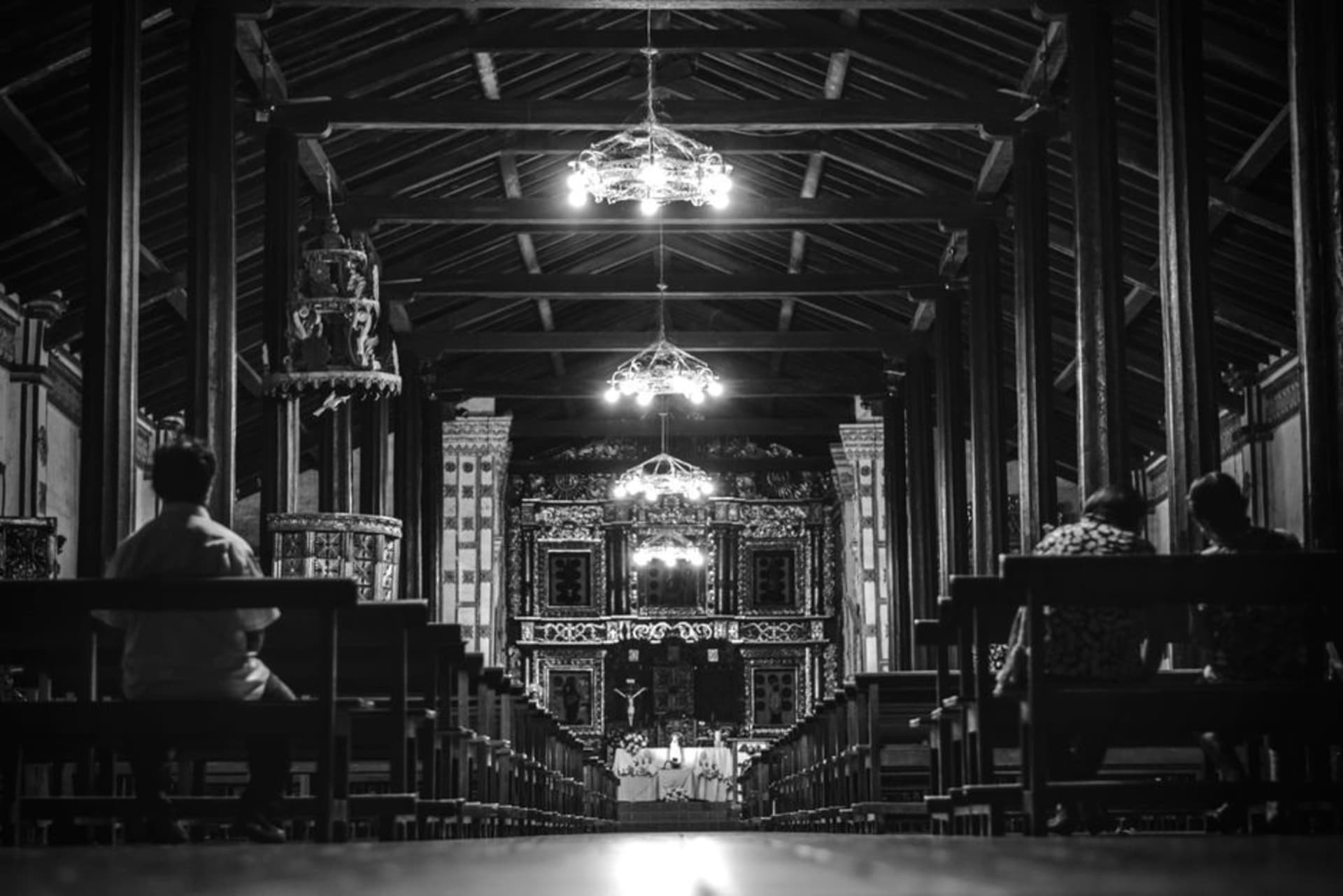
The Misión de San Francisco Javier de Cerocahui was founded by the Jesuits in 1680, which makes it old enough that its walls have outlasted expulsions, empires, and more than a few revolutions. The church sits at the lower end of the village, flanked by orchards that still produce apples, small pears, and the sweet peaches the Rarámuri have been tending for generations. It is not a museum. Mass still happens here. I arrived on a Tuesday morning when the nave was empty and sat in a wooden pew for a while, listening to nothing in particular. The interior is simple: whitewashed plaster, dark timber, a retablo that has been repainted enough times that the layers tell their own history. Outside, the valley opens toward pine-covered ridges that look soft in the morning haze — which is a kind of illusion. Nothing about this sierra is truly soft. But from the churchyard, it briefly seems that way.
The Trail Toward Urique
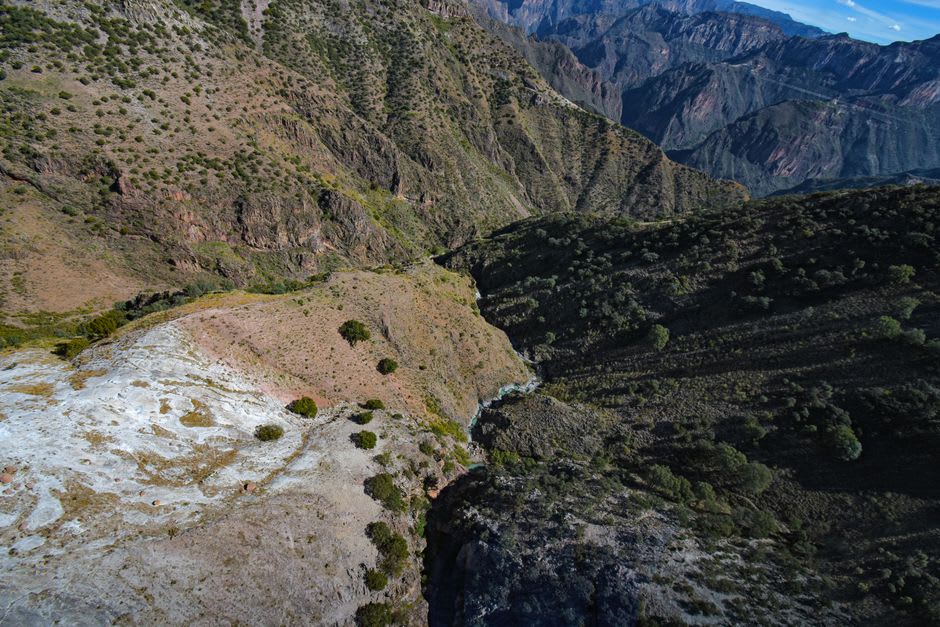
The descent toward the town of Urique on the canyon floor is the reason serious hikers detour to Cerocahui at all. The trail drops roughly 1,500 meters over about 14 kilometers — steep enough that your knees register a complaint by hour three, gradual enough that you are never scrambling. I did the first section one morning and turned back before the steepest pitch because I had not arranged a pickup at the bottom. A planning failure I would not repeat. The canyon walls close in as you descend, the vegetation shifts from pine to subtropical scrub, and the light at midday does things no camera quite handles. Guides from the Paraíso del Oso lodge can arrange the full descent with a truck waiting at Urique — the standard approach, and worth the coordination.
Where to Eat and Sleep
Cerocahui has two lodges and almost nothing else in the way of tourist infrastructure, which is a feature rather than a complaint. The Misión hotel serves meals in a dining room that feels like it was last decorated in 1988, which I mean neutrally — it is unpretentious and the food is honest: bean soup, grilled chicken, fresh tortillas, fruit from the orchards just outside. Breakfast is included and substantial enough to carry you through a morning on the trail. The Rarámuri women who sell embroidered goods near the church plaza in the early hours are worth stopping for — small geometric pieces, careful work. Do not negotiate hard. The prices are already fair.
Getting There
Take the Chepe Express or the regional train to Bahuichivo station. Trucks wait at the platform and charge a fixed rate for the three-hour ride up to Cerocahui — confirm the price before loading your bag. The road is unpaved and rough in dry weather, worse after rain; ask locally about conditions if there has been any. There is no bus. There is no other way.