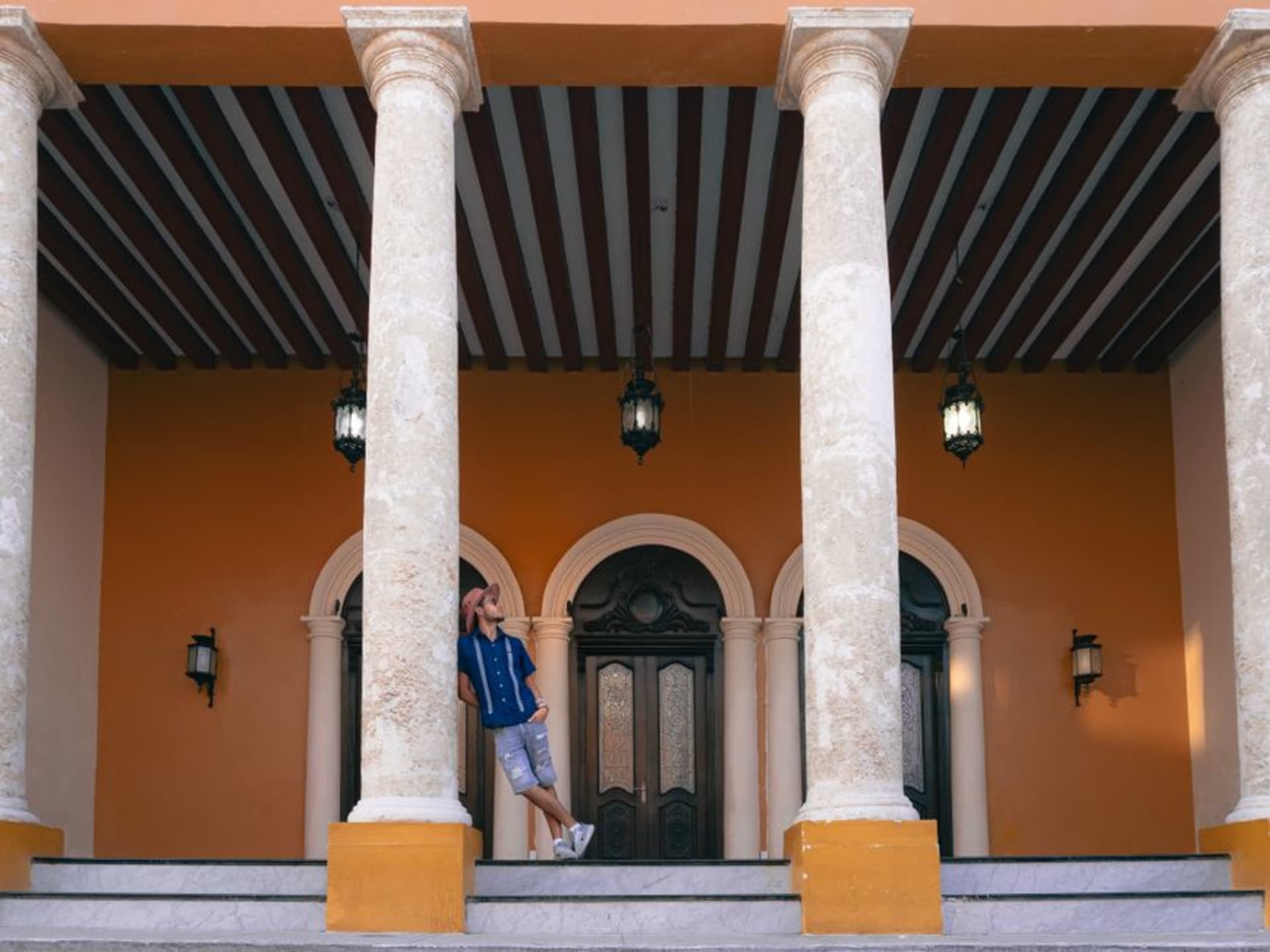
Palizada
"The ferry across the Palizada River costs two pesos. On the far bank, nobody is watching you — and somehow that changes everything about how you move through a town."
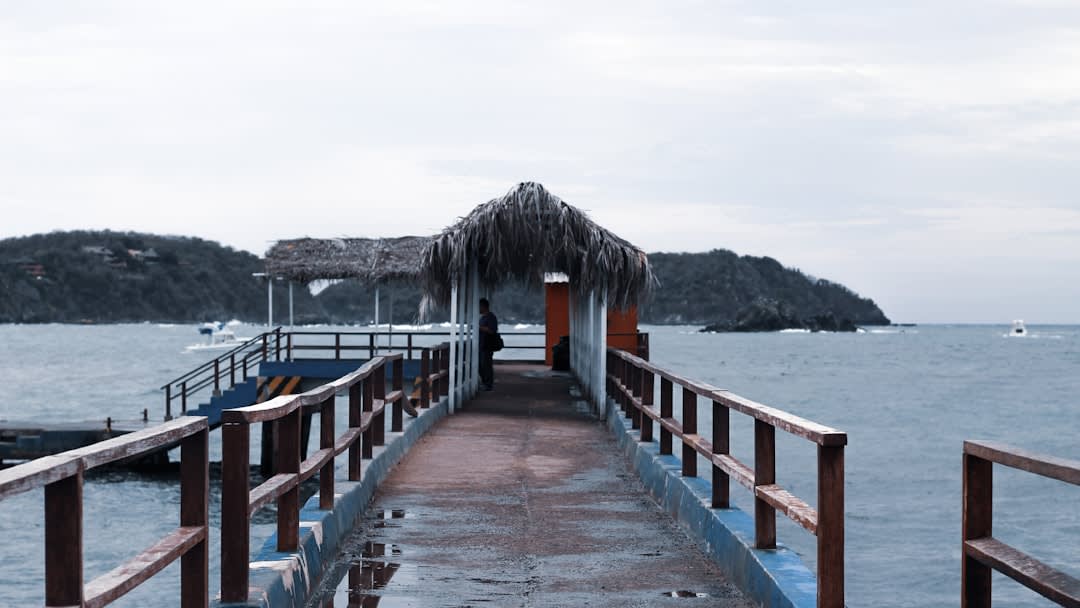
I crossed the Palizada on a two-peso ferry, the kind where the ferryman doesn’t look up and the engine sounds like a complaint. It was mid-morning, February, and the heat was already serious. On the far bank there was nothing — no souvenir stand, no painted arrow directing me anywhere — and I walked into town the long way around, past wooden houses raised on stilts above the flood line, past a dog asleep in a doorway, past a woman hanging laundry who said buenos días without breaking her rhythm. That was the first ten minutes. The rest of the day followed the same tempo.
A River Town That Built Its Own Calendar
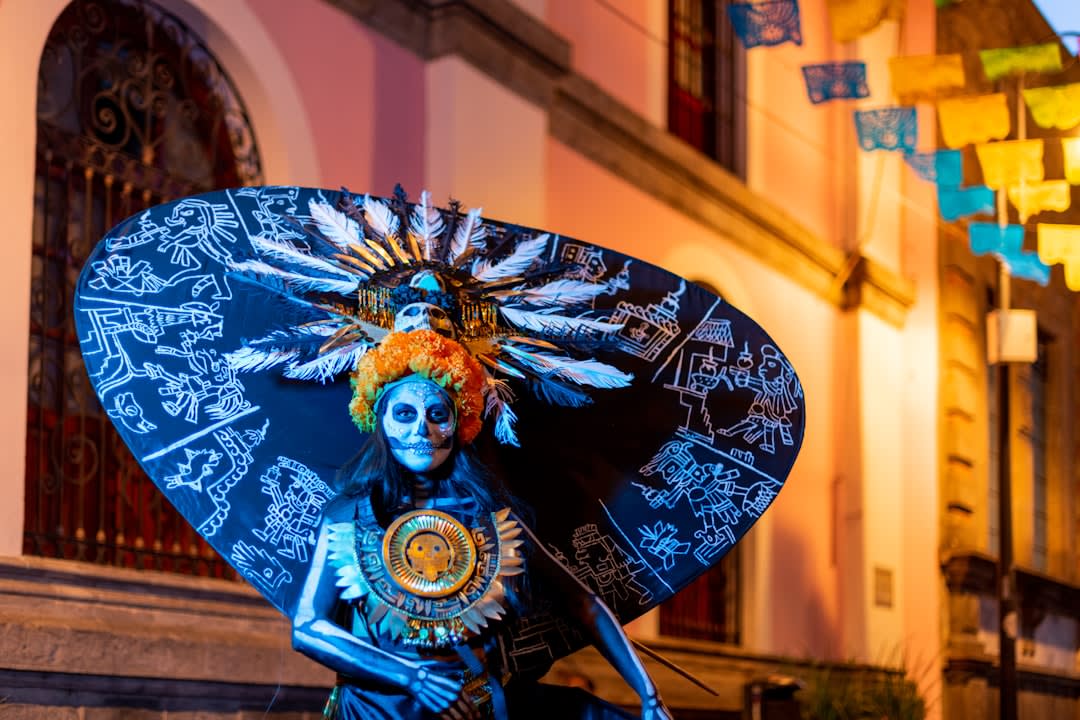
Palizada’s claim on Mexican cultural memory is its Carnaval, which dates to the early 19th century and is considered one of the oldest in the country. The town takes this seriously — not the way tourist offices take things seriously, but the way families do. The comparsas rehearse for months. The coronation of the Carnaval queen is a genuine civic event, not a performance for visitors. The rest of the year, the malecón along the Río Palizada functions as the town’s living room: fishermen come in at dusk with the catch, kids eat elotes from the cart near the bridge, and the wooden benches fill with people who have nowhere better to be and know it. The river is wide and brown and moves with the kind of patience that makes you reconsider your own schedule. I sat on that malecón for two hours and felt absolutely no urgency to do otherwise.
The Tabasqueño Kitchen in Campeche
The cooking in Palizada doesn’t fit neatly into either of the states it borders. It takes the slow-braised traditions of Tabasco — dishes built around the river, around masa, around pork that has been cooking since early morning — and inflects them with the subtler hand of Campeche. I ate pejelagarto twice: the alligator gar, a prehistoric-looking river fish that is the defining protein of this whole corridor, grilled over coals and served with tortillas and a sauce that was more sour than anything else. I had no complaints. The market on Calle Constitución opens early and closes when it decides to. The tamales wrapped in banana leaves at the stall nearest the entrance are the thing to eat first, ideally standing up, before the heat makes decisions for you.
Staying Long Enough to Stop Counting Hours
There is no ruin here, no cenote, no temple. What there is: the church of San Pedro de Alcántara on the main plaza, which has survived floods and two centuries of heat and wears both with something close to dignity. The Museo del Carnaval beside the plaza is small enough to see in an hour and specific enough to hold your attention for most of it — the costumes alone justify the stop. My second afternoon I spent almost entirely on the far bank of the river, reached again by the two-peso ferry, watching Palizada arrange itself across the water into something that looks almost too quiet to be real. The ferryman still didn’t look up.
Getting There
Palizada is roughly 90 kilometers east of Ciudad del Carmen, the nearest city with an airport, along federal highway 180 through flat wetland country — a drive of about two hours. Buses run from Carmen with a transfer in Escárcega; a rental car makes the logistics simpler and the return trip more flexible. November through March is the season to come: the heat stays below punishing and the roads stay above the flood line.