Tijuana
"Craft beer taps in a converted phone company building, right where people still imagine donkey-painted zebras — Tijuana has been quietly becoming itself while no one was looking."
There are two kinds of border crossings. The first kind is the airport kind — sterile, procedural, a stamp and a conveyor belt and then you’re somewhere else. The second kind is the land crossing kind, and the San Ysidro–Tijuana crossing is the land crossing taken to its absolute logical extreme. Twenty-four lanes of traffic moving north. Pedestrian queues that snake through steel corridors under the California sun. The whole infrastructure of separation made visible, enormous, and loud.
I walked across on a Tuesday morning in March, which I was told was the smart move — midweek, non-holiday, before noon. It still took forty-five minutes on the US side just to clear the passport check heading back, and I hadn’t even gotten there yet. Going into Mexico took five minutes. The asymmetry is the first thing you notice. The second thing you notice is that the moment you step out of the Mexican processing hall and onto the ramp down into the city, there’s a cab stand and a man offering to sell you a phone plan and the smell of something frying from a cart twenty meters away, and you realize the United States, which you were just inside, is already abstract.
Tijuana doesn’t ease you in. It starts immediately.
The Old Tijuana vs. the Tijuana That Actually Exists
Avenida Revolución is where you go to confirm every preconception you had about Tijuana and then feel mildly embarrassed for having had them. It’s the tourist strip — the pharmacies selling antibiotics without prescriptions, the souvenir stalls with their painted skulls and Frida Kahlo tote bags, the clubs with their names in neon and their bass lines audible from the street at two in the afternoon. There’s nothing wrong with any of it exactly. It’s just that it has very little to do with the city the Tijuanenses actually inhabit.
The city that actually exists is mostly in Zona Río, which is a twenty-minute walk or a five-peso ride in a shared taxi called a rutero. Zona Río has the proper restaurants and the coffee shops and the Korean barbecue places and the taquerías where you wait in line because the line tells you something. It has the Mercado Hidalgo, where I wandered for an hour through stalls selling dried chiles and mole pastes and cheeses from the valley and felt the particular pleasure of being the only obvious non-local in the room. A woman selling three varieties of dried ancho waved me over to smell each one in turn, the way a sommelier might, which I appreciated.
But the thing that surprised me most about Zona Río — and the thing I keep telling people about when Tijuana comes up — is the craft beer situation.
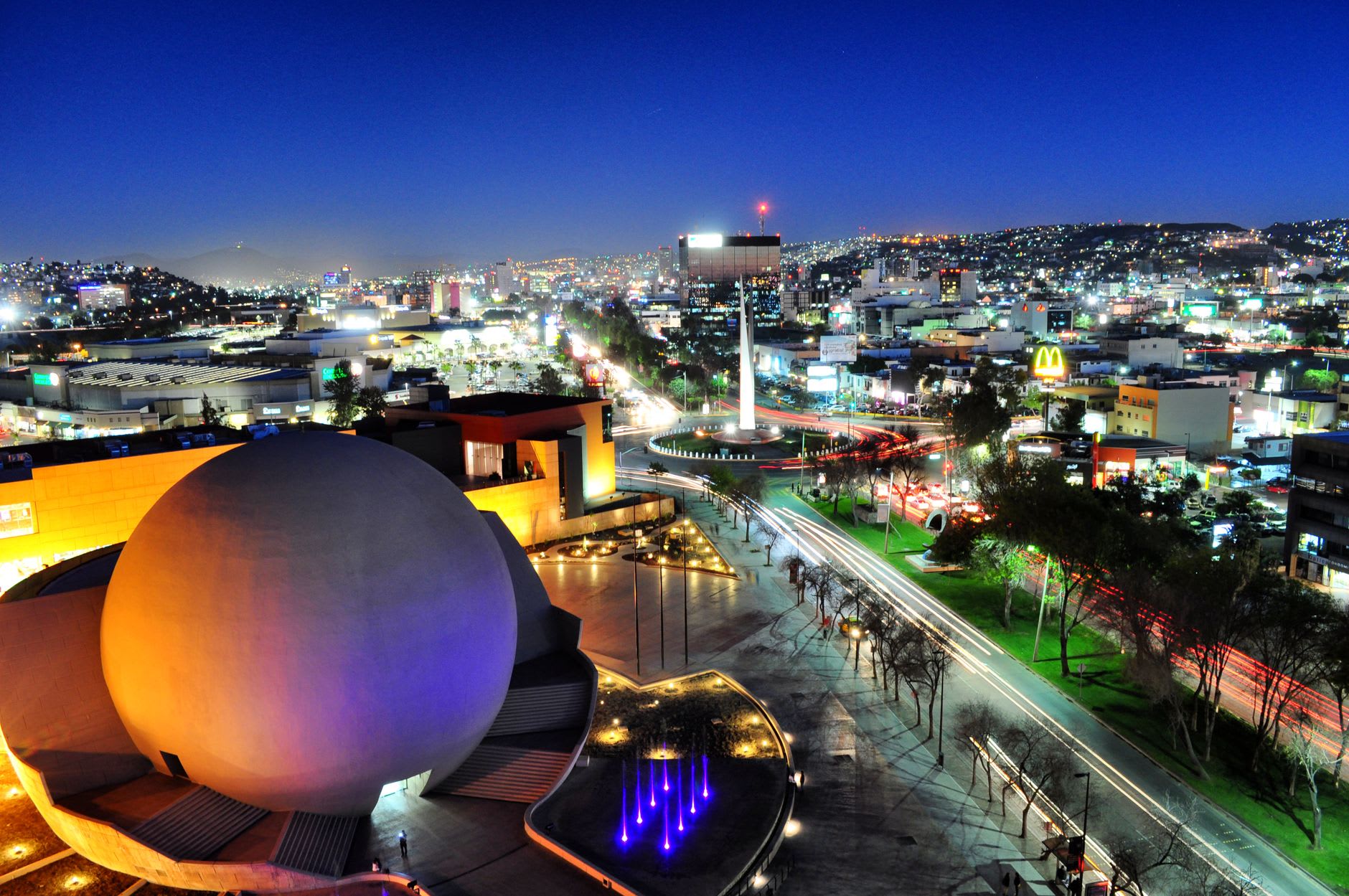
Mexico is not historically a country that excites beer people. Modelo and Tecate are fine for what they are — cold lager on a hot afternoon, perfect with lime and salt — but they are not beers you think about. Then Tijuana, of all places, became the center of a craft beer movement that now has more breweries per capita than most Mexican cities twice its size. I went to Telefónica Gastrojardín because everyone told me to, and I would have been skeptical of such unanimity except that it turned out to be completely warranted. It’s a converted telephone company courtyard — hence the name — now lined with food stalls and a long bar with thirty-something taps. I sat down with a hazy IPA from a Tijuana brewery I’d never heard of and a tostada from one of the stalls and spent an hour watching a mix of young Tijuanenses, American day-trippers from San Diego, and what appeared to be a bachelorette party from Monterrey all coexist in a state of contented absorption.
The tostada deserves a sentence of its own. A crispy round of fried tortilla, piled with ceviche of fresh shrimp, avocado, cucumber, a drizzle of something creamy and something hot, the whole thing consumed in three careful bites or one reckless one. I ate two and considered a third before concluding I wanted to be functional for the afternoon.
In France we have border cities — Strasbourg where French becomes German and the tarte flambée and the baeckeoffe blur into schnitzel across an invisible line, or Nice where the architecture keeps drifting toward Liguria. But Tijuana has something Strasbourg does not, which is the sheer scale of the seam between two worlds. Here the seam is enormous and loud and expensive to maintain and everyone on both sides is aware of it at all times. The craft beer exists in that context. The ceviche exists in that context. Everything in Tijuana is either responding to or ignoring the fact of what surrounds it, and the result is a city with an unusual kind of energy — restless, inventive, a little competitive with itself in the way that cities on the margin sometimes are.
What I Didn’t Expect to Find
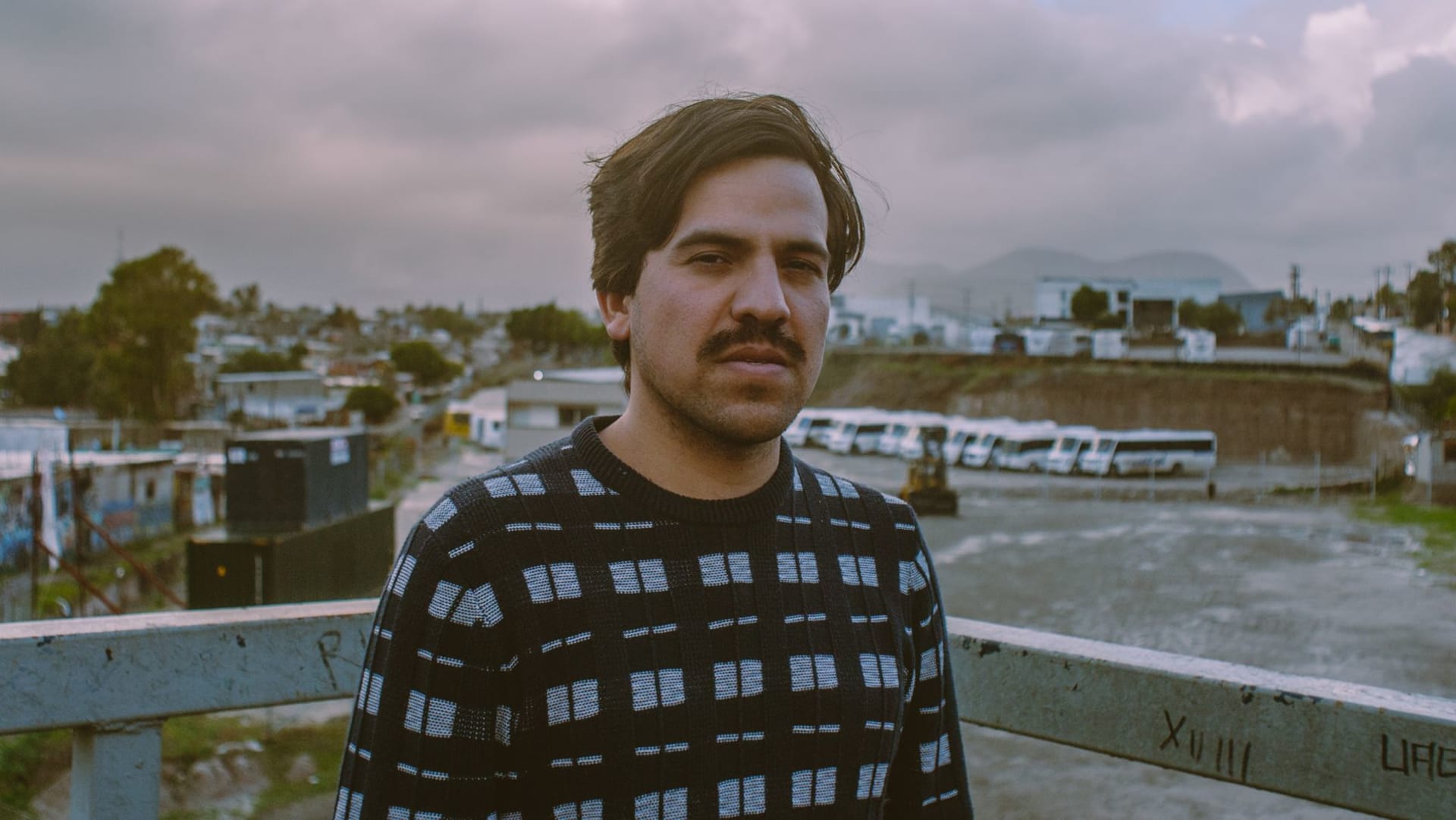
I expected hustle. I didn’t expect charm, but there it was. The neighborhoods behind Zona Río have hills — Tijuana is a hilly city, which no one mentions — and on those hills there are small restaurants in converted houses and street art in passages between buildings and a view back over the border infrastructure toward San Diego that is genuinely extraordinary if you catch it at dusk. The city lights go south and the airport lights go north and the fence sits in between, lit, and from a hill in Colonia Cacho it looks less like a political statement than like a very determined piece of urban furniture that the city has simply built around.
Lia came with me on the second visit. She had been dubious — her image of Tijuana was roughly what my image had been before I first crossed — and I watched her recalibrate in real time over a dinner of beef birria and a glass of local Baja wine (the Valle de Guadalupe is forty minutes east; the wine turns up in good Tijuana restaurants now). By the end of the evening she was arguing for a longer stay. We compromised on breakfast the next morning at a place in Zona Río that served eggs with chorizo verde, a green chorizo I’d never encountered before that turned out to be a Toluca specialty someone had transplanted north. These things happen in border cities.
The birria, by the way. I should say something about the birria. Tijuana-style birria is different from the Guadalajara original — it’s typically made with beef rather than goat, served in a deep bowl of consommé with a side of hand-rolled corn tortillas for dipping. You dip the tortilla, fill it, fold it, eat it, dip it again. It is one of the more sensible things I have encountered. The restaurant we went to had fluorescent lights and plastic chairs and a line out the door at nine-thirty on a Sunday morning, which is all the information you need.
Getting There, Getting Around, Where to Stay
Getting there: The easiest entry is on foot from San Diego — park at the Trolley stations on the US side and walk. The CBX pedestrian bridge (a paid crossing directly into the Tijuana airport) is an option if you’re flying out. Driving is possible but parking on the US side and walking saves considerable queuing time at the return crossing.
Where to stay: Zona Río is the right neighborhood — central, safe, near the good restaurants. The Grand Hotel Tijuana has views and history; there are several clean, functional business hotels in the mid-range. Avoid staying near Avenida Revolución unless you specifically want that experience.
When to go: Any midweek period away from US public holidays. Avoid Thanksgiving weekend, spring break, and Fourth of July — the return queues can reach three to four hours. October and April are particularly pleasant for the climate.
What to budget: Tijuana is extremely affordable by US standards and reasonable by Mexican standards. A full dinner with beer at a proper Zona Río restaurant will run you 300–500 pesos per person. Telefónica Gastrojardín pints are around 80–100 pesos.