La Bufadora
"There is something viscerally satisfying about the ocean forcing its way through a crack in the rock and exhaling like a prehistoric animal."
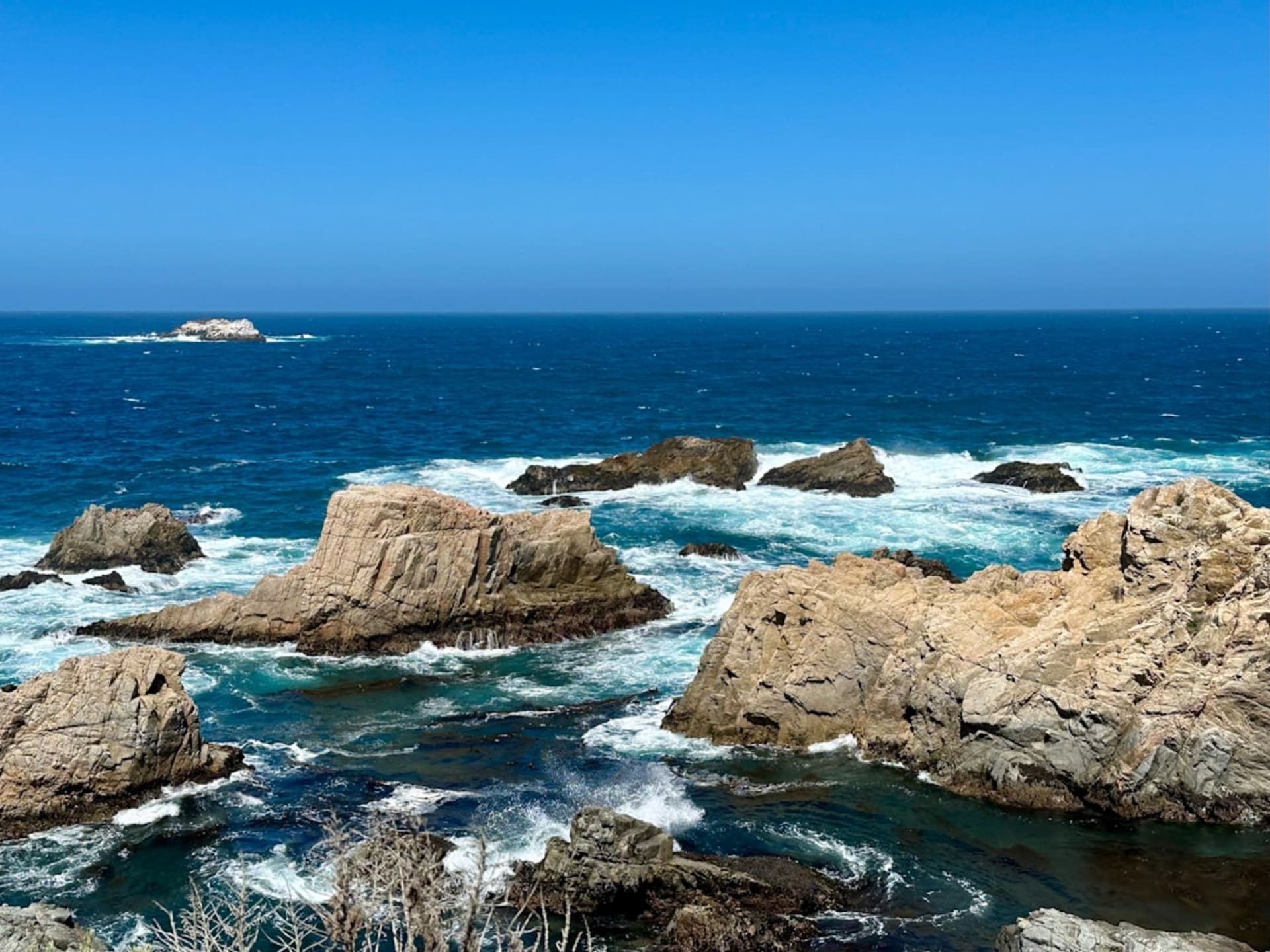
I had read enough about La Bufadora to arrive with low expectations, which is the correct preparation. The world’s second-largest marine blowhole, twenty kilometres south of Ensenada — it sounded like the kind of designation that exists to sell refrigerator magnets. I got there on a Tuesday in early November, the parking lot half-empty, a cold Pacific wind arriving in gusts off the water. Within ten minutes of walking the corridor down to the point I had eaten a shrimp taco I still think about. Within twenty I was standing at the edge of a rock shelf watching the ocean do something that felt genuinely ancient.
What the Blowhole Actually Does to You
La Bufadora — the name means roughly the snorter — works through a sea cave that narrows as it rises toward an opening in the cliff face. When a swell pushes in, the water compresses, the air above it has nowhere to go, and the whole mechanism erupts: a column of white spray twenty, sometimes thirty metres high, accompanied by a sound that is less like water and more like something enormous exhaling in frustration. It happens every two or three minutes. You wait, the surface goes quiet, and then the rock shudders.
What surprised me was the variation. Small swells produce a modest spout and a dull thump. A large set wave — the kind that takes a moment to organise itself from further out — produces a roar you feel in your chest and a spray that drifts back over the viewing area and leaves salt on your jacket. I stood there for forty minutes adjusting my position after each eruption, trying to find the angle where the morning light hit the mist correctly. Nobody was hurrying me anywhere.
The Corridor Is Not the Problem
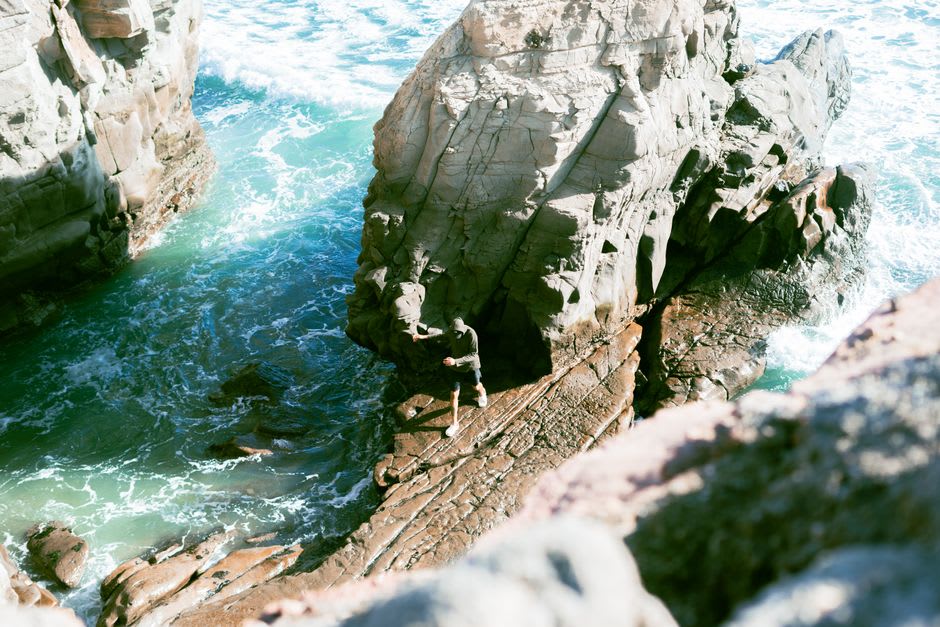
Every description of La Bufadora warns you about the souvenir gauntlet lining the path down to the water — ceramics, leather goods, hot sauce sets, t-shirts with wolves on them. My honest assessment: it is fine. Better than fine. The vendors do not chase you, and somewhere in the middle of the corridor there are two or three food stands doing genuinely serious work. I had a taco de camarón — shrimp, tight cabbage slaw, a crema with real heat — from a woman cooking over a propane flame who was not particularly interested in whether I was enjoying myself. I was. There is also a stand selling smoked fish by the piece and another doing fresh clams with lime and Valentina. By the time I reached the blowhole I had already eaten twice and was thinking about going back for the clams. The walk is ten minutes. It took me twenty-five.
The Patience Required
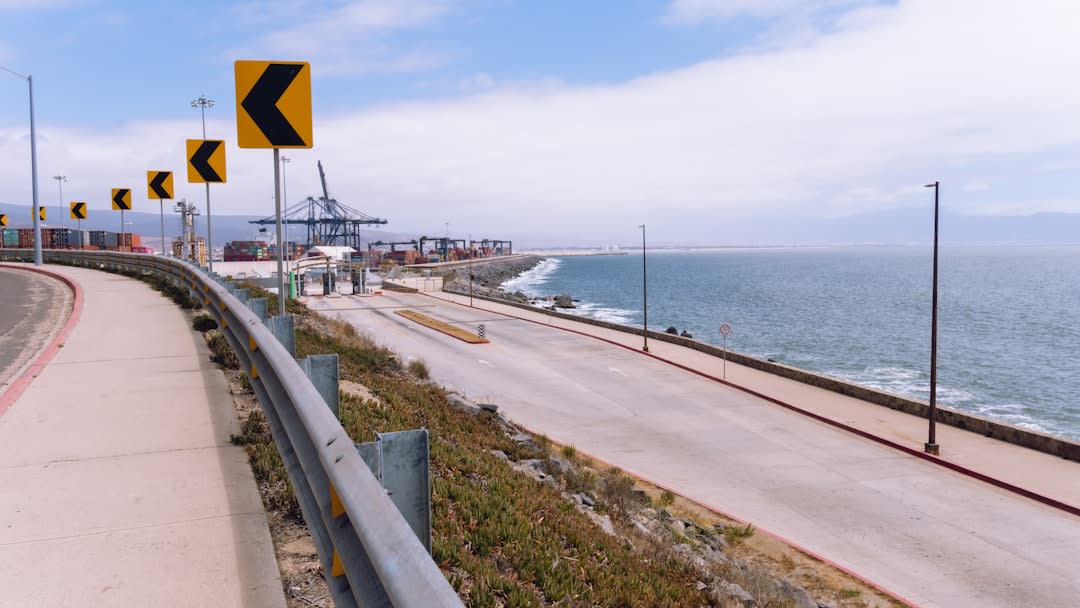
Midweek in the off-season, La Bufadora is quiet enough that you can sit on the low wall near the viewing area and simply wait out several cycles without anyone pressing into your space. Weekends in summer are a different situation — coachloads arrive from Ensenada and Tijuana and the corridor becomes genuinely crowded. I got lucky with my Tuesday visit and I would replicate the logic. Arrive before ten, before the day-trip buses from the cruise terminal clear their passengers. Eat on the way down. Spend an hour at the water, leave when the school groups start appearing. The morning light hits the spray at an angle that turns it briefly gold. Bring a layer regardless of the forecast — the wind off the Pacific is serious even in July, and the mist gets into everything.
Getting There
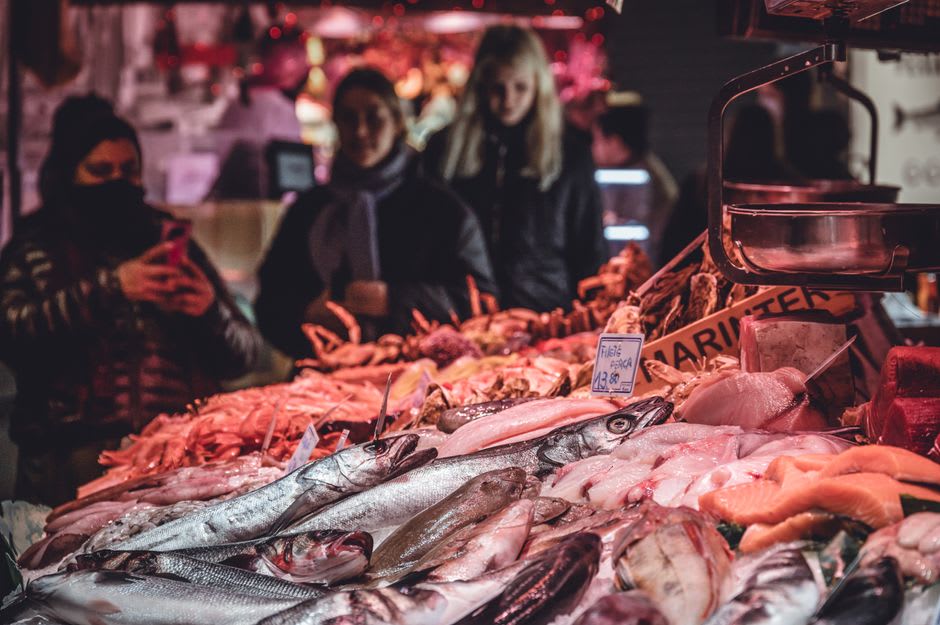
La Bufadora sits roughly 23 kilometres southwest of Ensenada on Highway 23, about thirty minutes by car from the city centre. From Tijuana expect ninety minutes to two hours depending on the border crossing. There is no direct public transport; taxis from Ensenada are available and inexpensive. Parking at the site runs around fifty pesos. The road in is well-signed from the Ensenada–Maneadero junction.