Santa Rosalía
"The croissants at El Boleo are legitimately good. That sentence, written from the middle of Baja California, still doesn't feel entirely real."
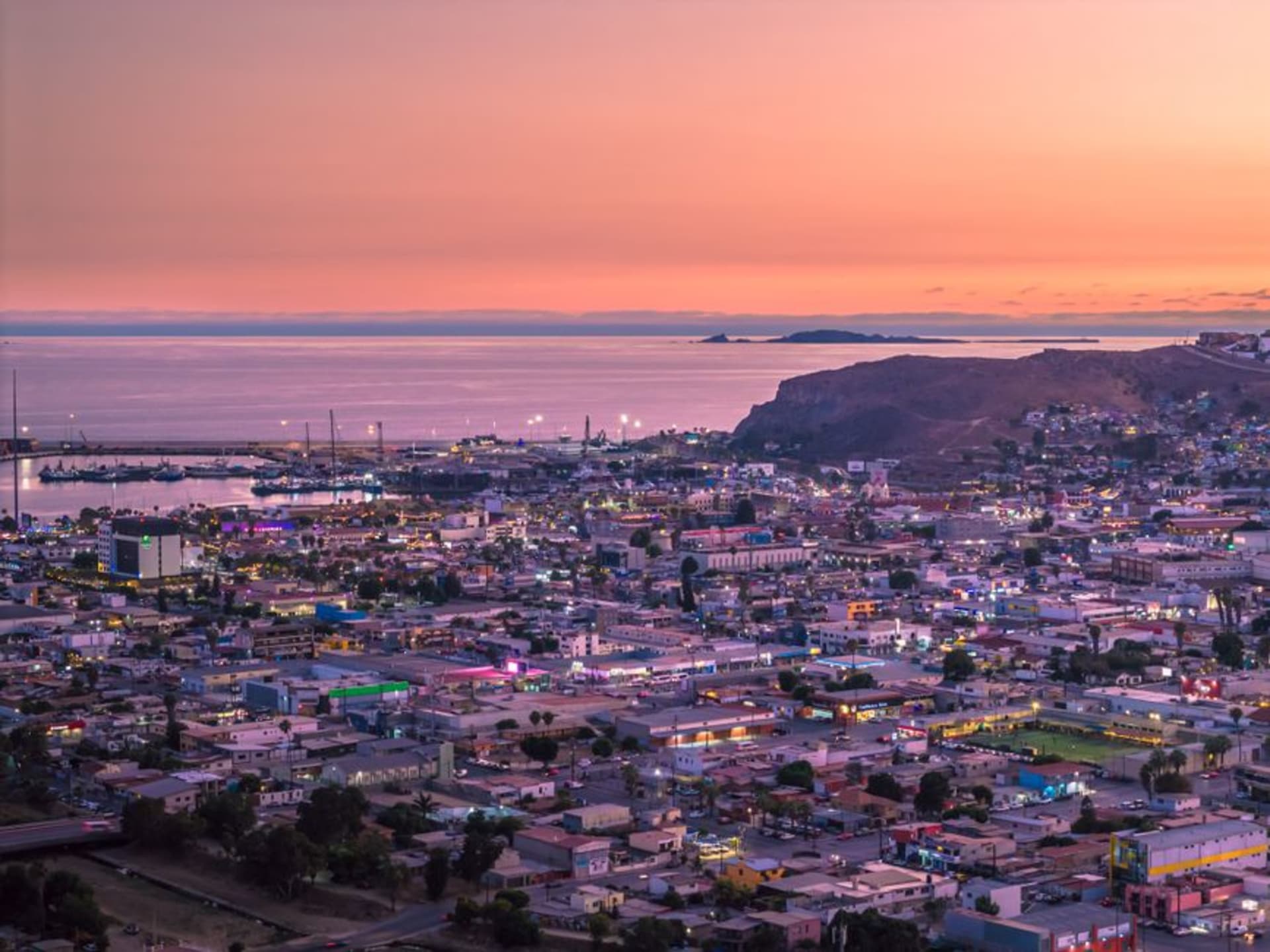
I came over the ridge on Highway 1 expecting the usual Baja stretch of cactus and hardpan and got instead a town that looked like someone had set it down here by accident. Sun-bleached clapboard houses painted in colors that had given up being yellow or green and settled into something less defined. A harbor below, a ferry terminal, red-oxide hills above. And then the smell — something yeasty and specific cutting through the heat — that reached me before I’d found anywhere to park. Santa Rosalía made absolutely no sense from the moment I arrived, and I mean that as the highest compliment I can give a Mexican town.
What the Compagnie Left Behind
The Compagnie du Boleo arrived in 1885 with French capital and an engineering problem: how to house hundreds of workers in the middle of Baja California. Their solution was to import everything — the building methods, the wood, the organizational logic of a French industrial town. The result is a street grid of clapboard houses arranged by social rank, the managers’ quarters on the higher terraces, the workers’ housing closer to the old smelter site. Most of it is still standing. Calle Tercera runs past houses with wraparound porches and slatted shutters that make your eyes do a quiet double-take when your brain insists you’re in Mexico.
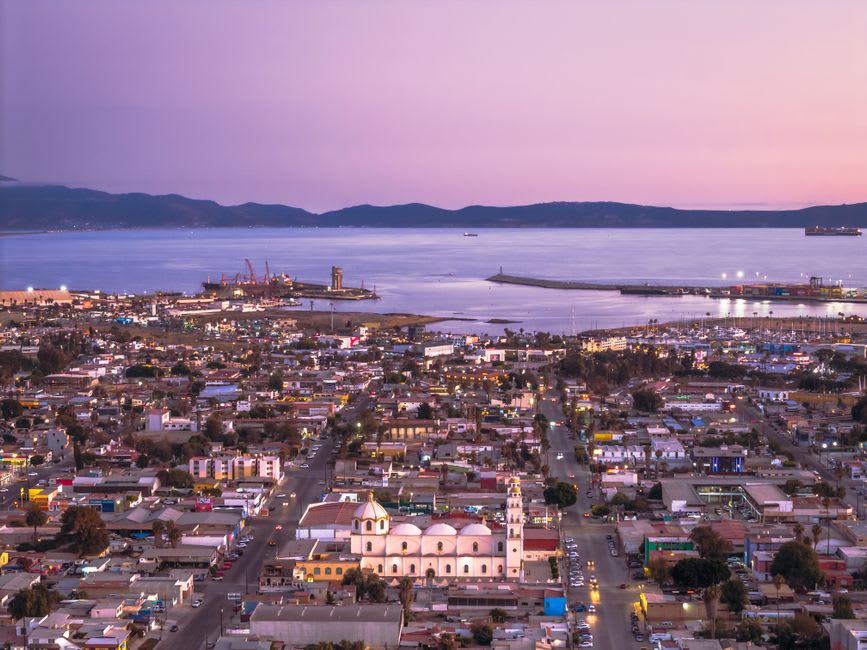
The centerpiece is the Iglesia de Santa Bárbara, a prefab iron church that Gustave Eiffel designed for the 1889 Paris World’s Fair and that somehow, via Belgium and a cargo ship, ended up bolted together on a hillside in Baja California Sur. It looks exactly like what it is: a functional iron structure that has nothing to do with its surroundings and is completely magnificent for it. The bolted panels, the industrial symmetry, the complete absence of ornamental stonework — it belongs in a different hemisphere and it’s been here for over a century. The interior is noticeably cooler than the street outside, which is reason enough to go in on a July afternoon.
El Boleo, Before Anything Else
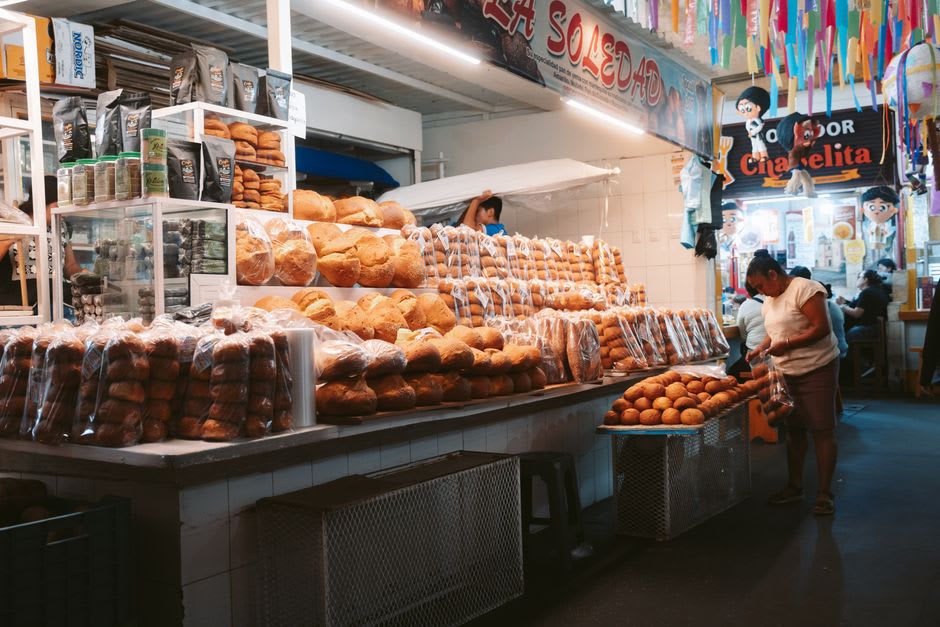
The Panadería El Boleo on Avenida Manuel Montoya is one of those places that would be completely unremarkable in Lyon and is absolutely extraordinary here. It was founded in the 1880s to feed the French engineers who presumably found the local pan dulce insufficient, and it has been baking continuously — through the closure of the mines, through decades of Mexican ownership — ever since. The sourdough is real sourdough. The croissants are, in the most literal and disorienting sense, actually good. I ate two standing outside and thought about the supply chain that produces this outcome: a functional French bakery, one block from a Sea of Cortés ferry terminal, in a town of twelve thousand people, surrounded by desert.
They also do pan dulce and tortas, and there is usually a line by eight in the morning that moves quickly. Go before ten. The baguette-style rolls sell out, and the butter situation is better than you have any right to expect at this latitude.
The Harbor End of Town
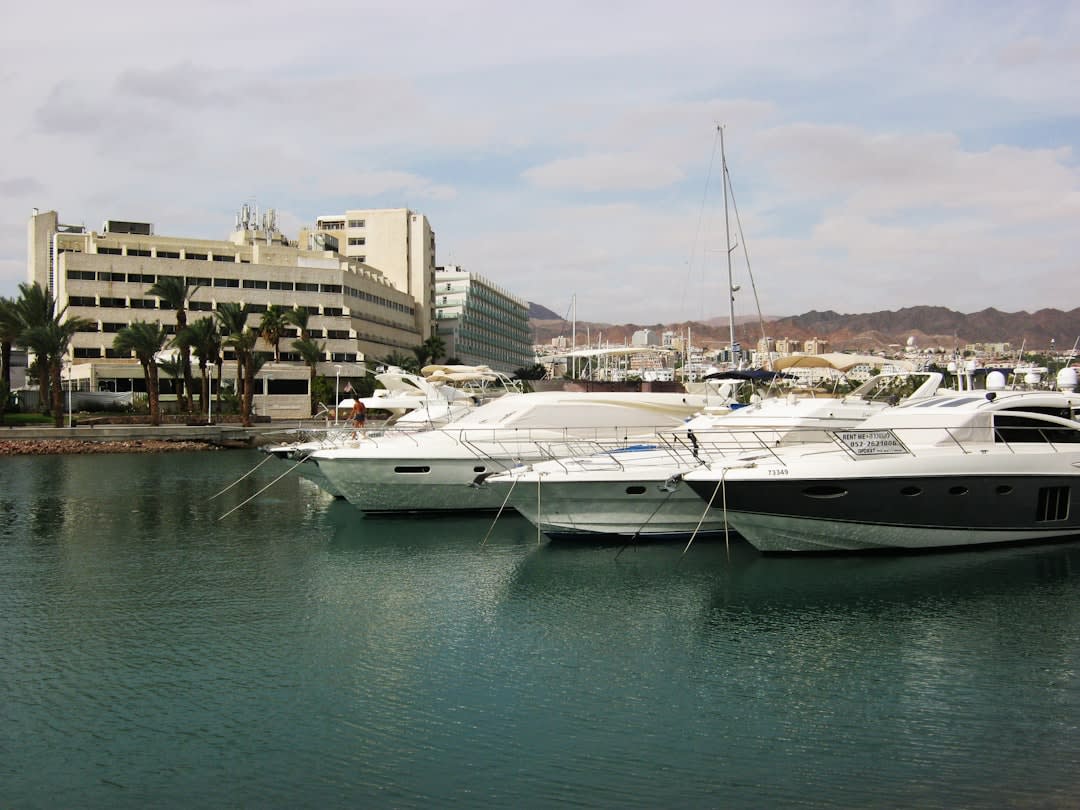
After El Boleo, the logic of Santa Rosalía is to walk downhill. Avenida Obregón follows the main artery past tiendas and taquerías toward the harbor, where a ferry terminal connects to Guaymas on the mainland. The terminal itself is functional and unglamorous, but the muelle area has a particular quietness in the late afternoon — fishing boats, pelicans, the occasional truck idling for the crossing. For food beyond the bakery, there are mariscos spots along the waterfront that do callo de hacha in season, and taco stands near the Mercado Municipal on Calle Cinco that are worth stopping at before they close. The Museo Histórico Minero on Calle Francisco Madero has a compact, earnest collection of Boleo-era machinery and photographs — worth an hour if you want the full context for why this place looks the way it does.
Getting There
Santa Rosalía sits at roughly the midpoint of the Transpeninsular Highway (Mexico 1), 215 kilometers north of Loreto and about 270 south of Guerrero Negro. The drive from Loreto takes under three hours on good highway. There is a small bus terminal with connections to La Paz and Tijuana. The Baja Ferries crossing to Guaymas runs several times weekly — book ahead if you’re crossing with a vehicle. Best visited October through April, before the summer heat makes the iron church feel like a sauna.