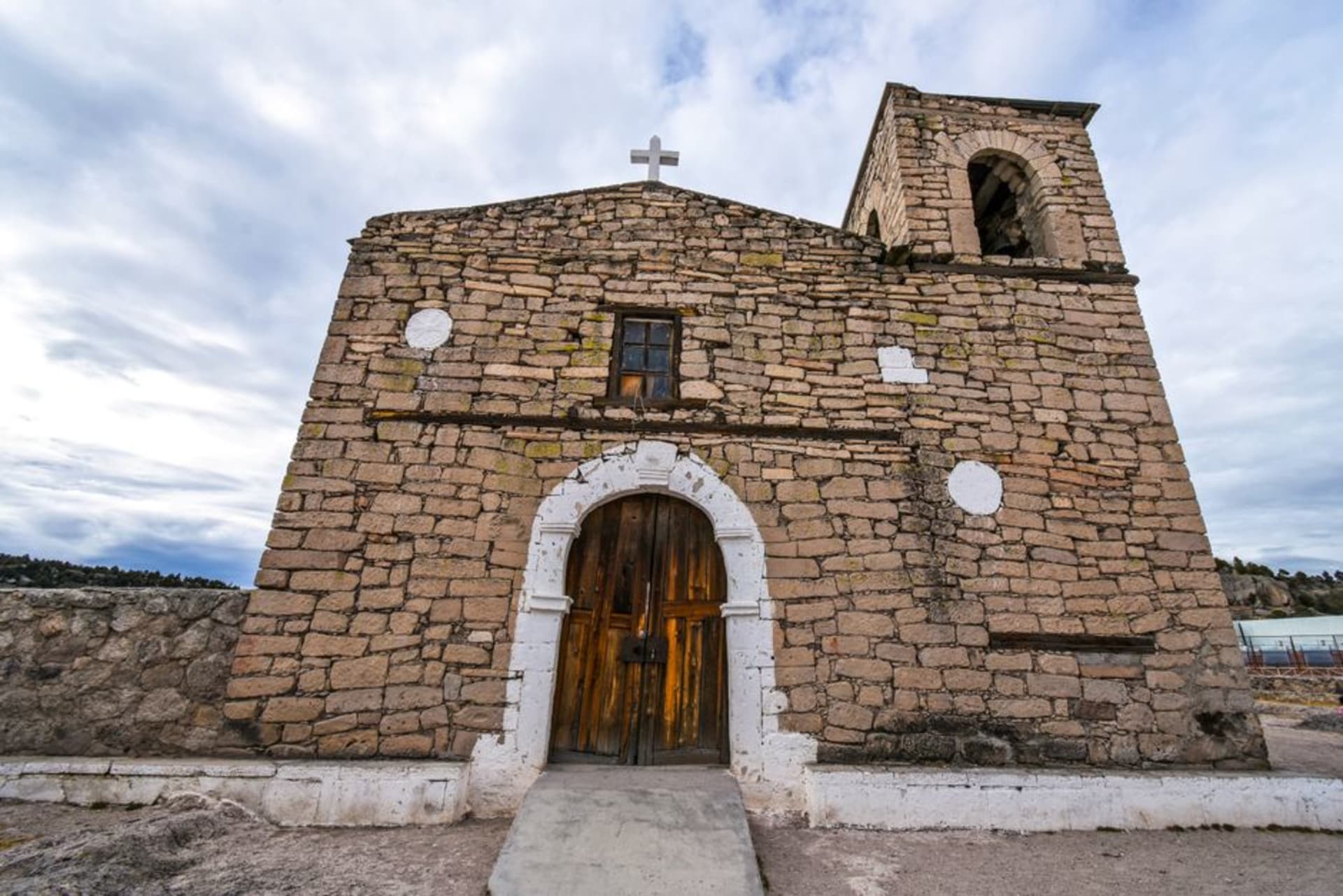
San Javier
"I arrived expecting a ruin and found something closer to a church still waiting for its congregation."
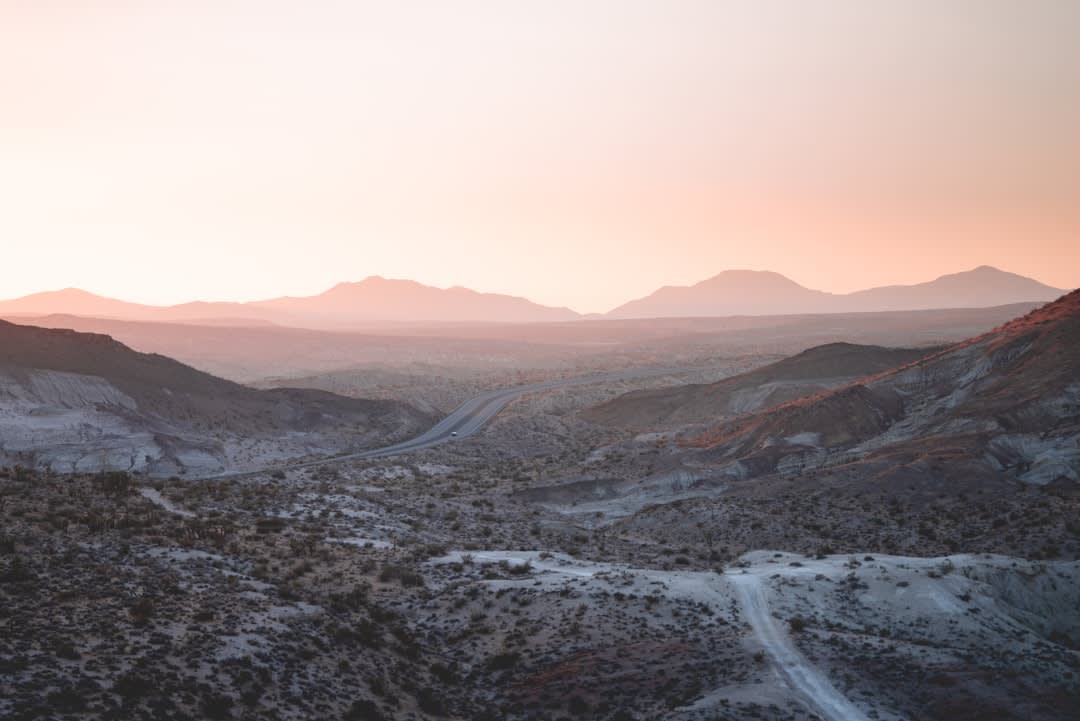
The last eight kilometers of road were the worst, and I was counting. My rental car had been rattling its complaints for the better part of an hour when San Javier appeared below me — not dramatically, not the way a ruin appears on a ridge, but the way a village appears: a cluster of pale walls, a few olive trees with silver-green leaves catching the morning light, and then the church, rising from the canyon floor with a composure that made the whole punishing approach feel, in retrospect, like a preparation for something.
The Mission That Survived Everything
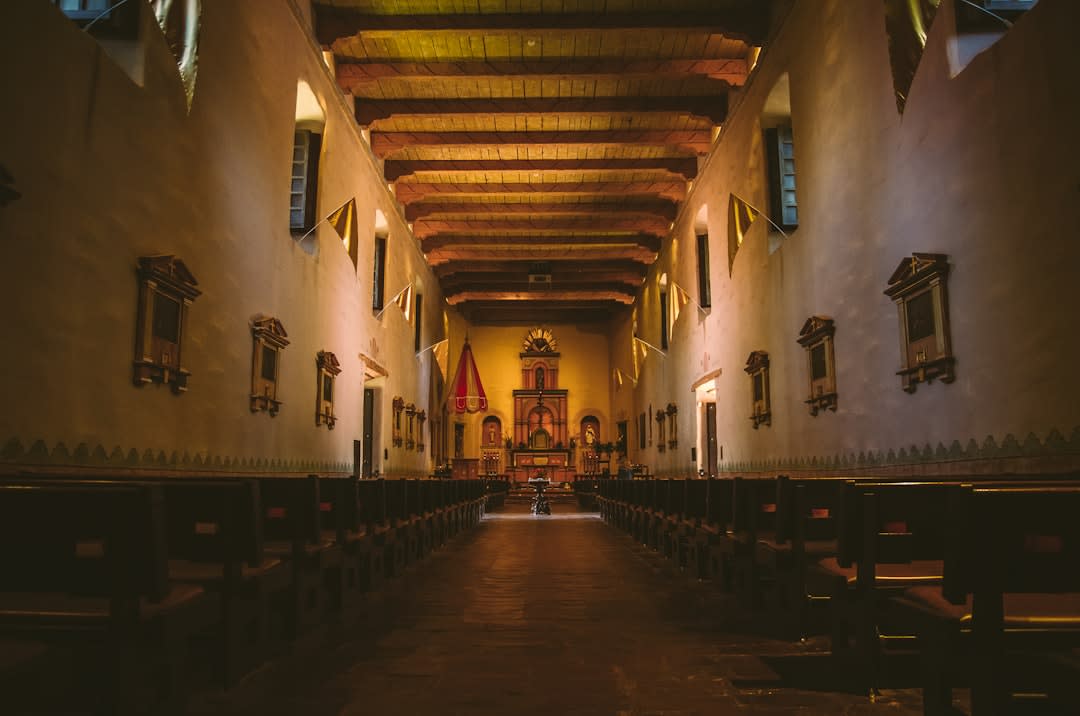
What gets you about Misión San Francisco Javier de Viggé-Biaundó is that it does not look damaged. Built between 1744 and 1758 under Padre Juan de Ugarte — and completed just a decade before the Jesuits were expelled from the New World entirely — the church survived everything that followed: the departure of its founders, successive epidemics that emptied the surrounding rancherías, the long silence of colonial collapse, and two and a half centuries of desert weather. The baroque limestone facade is intact. The interior oil paintings, brought from Spain, still hang in the dim transept, their varnish cracked in places but their composition whole. The font has water. The altar has candles.
I sat in one of the back pews for about twenty minutes. There was no one else inside. Through the thick walls you could hear — almost nothing, which becomes its own kind of sound once you stop trying to filter it out. The mission is still an active parish; a priest comes from Loreto for services. The congregation that remains in San Javier numbers somewhere around 150 people. The church seats considerably more than that. That gap, between what this place was built for and what the sierra can now sustain, is part of what makes it so quiet.
The Olives the Jesuits Left Behind
San Javier is known in Baja for its olive trees, some of them planted by the missionaries themselves in the 18th century, still producing. Every November the village holds a small festival around the harvest and the mission’s feast day — the kind of celebration that has been happening, in more or less the same form, for two hundred years. I was there in March, off-season, and the trees were quiet but dense with leaves, arranged in orderly rows that felt anachronistically European against the cactus slopes rising behind them.
There is a small comedor near the plaza, the kind of place with no printed menu, where I ate an enormous plate of tamales with red salsa and a glass of horchata so sweet I had to slow down. The woman who served me had grown up in San Javier and had never lived anywhere else. She mentioned this without pride or apology, just as a fact. I left her a tip that was probably too large and felt fine about it.
How to Do This Right
Go on a weekday. Weekends bring a trickle of SUVs from Loreto, which is fine, but the mission is at its best when you are the only person inside it. Bring your own water and something to eat — the comedor keeps irregular hours. Leave Loreto before ten so you are not navigating the worst of the washboard road in full midday heat.
After the church, walk down to the small huerto at the edge of the village. The Jesuits’ irrigation channel still runs through it, date palms alongside the olives, the whole thing maybe four hundred meters long and completely without signage. It is not dramatic. It is exactly the right scale for the afternoon.
Getting There
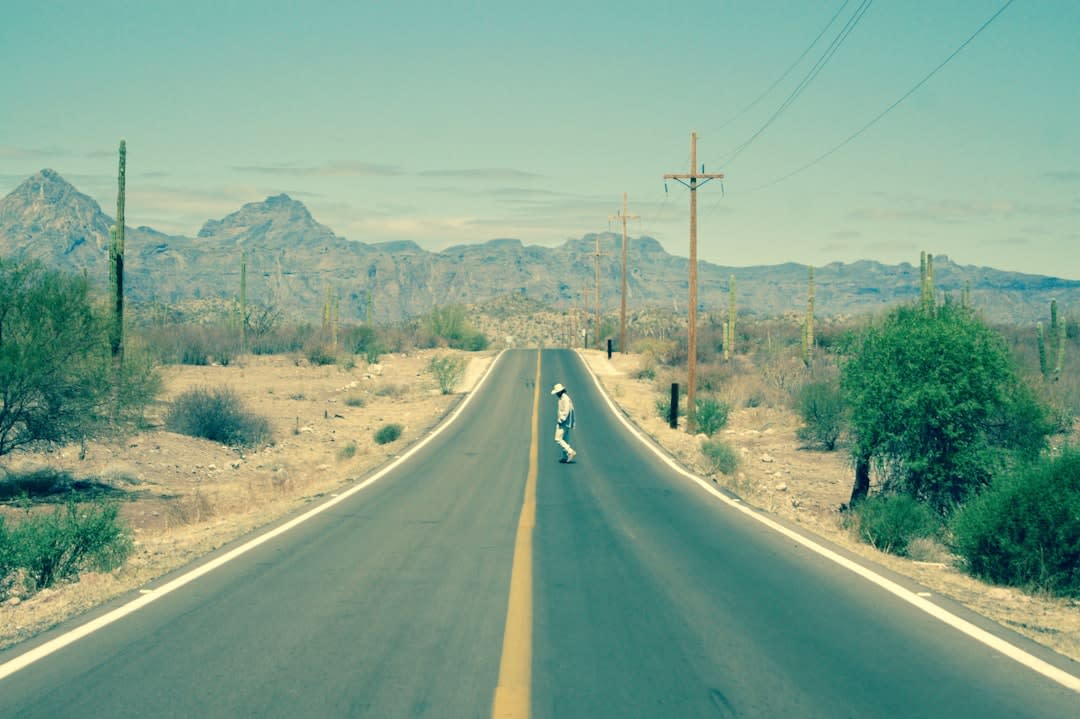
San Javier is 36 kilometers southeast of Loreto via an unpaved road — passable in a standard car after a dry spell, but expect an hour and twenty minutes each way and a fair amount of dust. The round trip from Loreto can be done in half a day. Allow more time if you want to sit in the church properly. No public bus serves the route, and that is probably intentional.