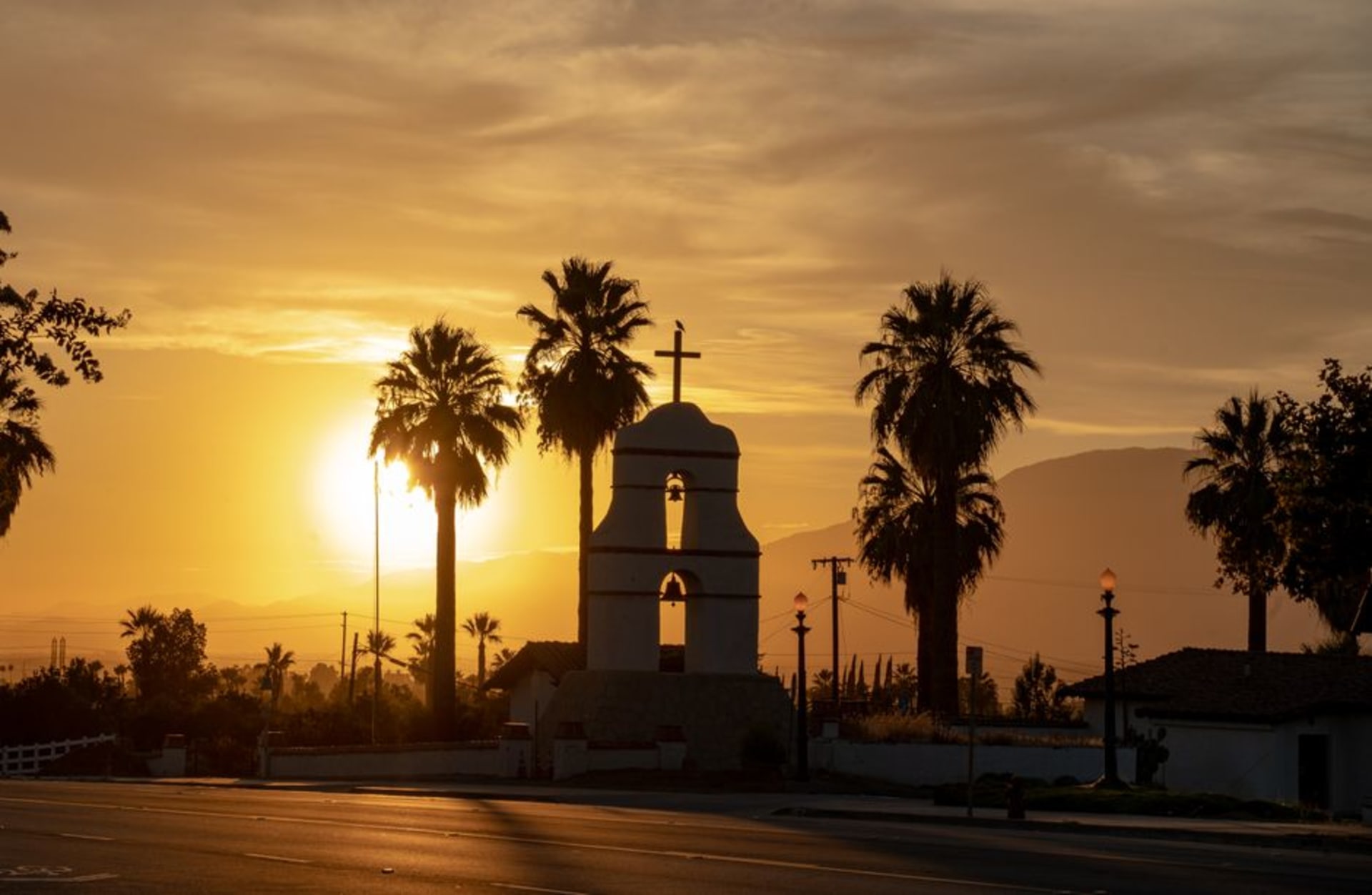
San Ignacio
"I sat under a date palm in San Ignacio's plaza for an hour doing nothing at all. After three days in the Baja desert, that hour felt genuinely restorative."
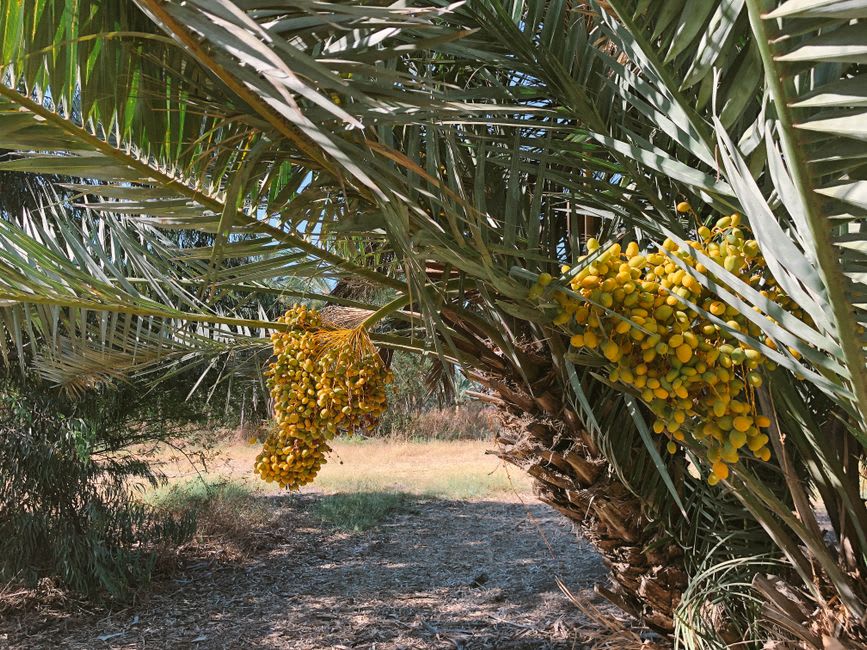
Four hours of cardon cactus and pale desert dust and the occasional vulture banking overhead, and then you drop into a river valley and the date palms appear — hundreds of them, a deep implausible green against the bleached rock. San Ignacio does not announce itself. You come around a bend on Highway 1 and it is simply there: the oasis, the mission, the plaza with its shaded benches, and a tienda selling cold Pacífico from a chest freezer near the door. I arrived mid-afternoon with too much sun in my eyes and sat down in the shade immediately and did not move for a long time.
Three Meters Tall
The mission is the first thing you see, but the cave paintings are the reason to actually stop rather than drive through. Up in the Sierra de San Francisco — a corrugated landscape of volcanic rock about an hour north of town — there are pre-Columbian figures painted in red and black ochre on the walls and ceilings of deep ravine shelters. Some of them are three meters tall. The style, which archaeologists call the Gran Mural tradition, is unlike anything I had encountered in central or southern Mexico: elongated humanoid figures facing forward, deer and bighorn sheep rendered with a quiet authority that makes you aware of how little we know about who made them, or why, or when.
Access requires a permit from INAH and goes by guided mule trip — you cannot go alone, and honestly that is fine. My guide, a man from the town named Víctor who had been making the descent into the sierra for twenty years, knew the paintings the way some people know a favorite book: specific passages, preferred light, private opinions. The UNESCO designation helps protect the site, but it remains genuinely remote. That remoteness is most of the point.
Basalt and Date Palms
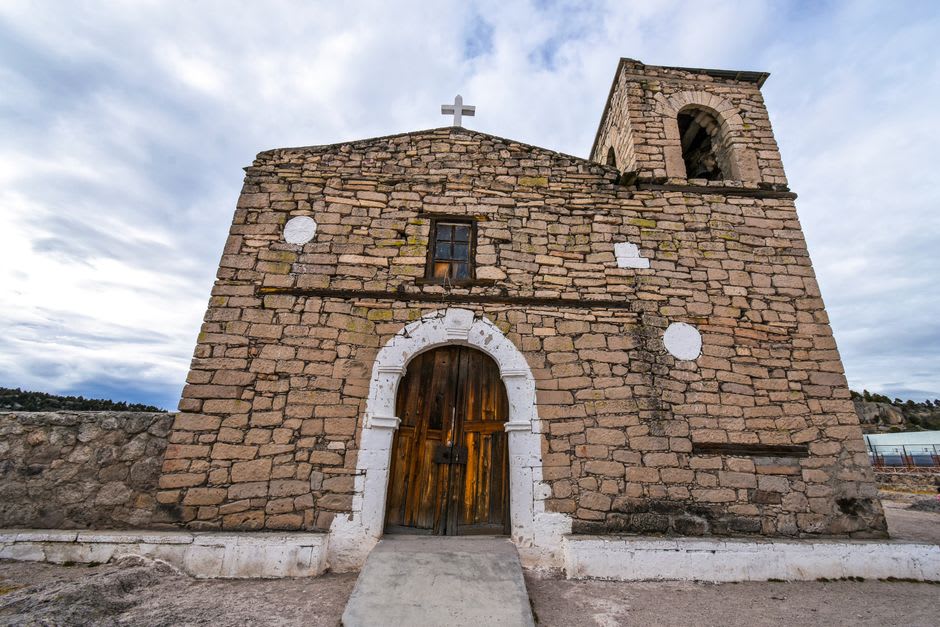
The Misión San Ignacio de Kadakaamán was finished by the Jesuits in 1786, built from dark basalt quarried from the surrounding hills. The facade is almost unchanged. Inside, the light is different — cooler and more deliberate, as if the thick volcanic walls are filtering something besides temperature. I went in twice.
The plaza outside is where the town reveals its actual character. There are laurel trees, wrought-iron benches, and at the right time of day a man selling nieves from a wheeled cart near the corner. I ate a scoop of pitaya — the fruit of the cardon cactus — which tasted faintly of watermelon and something else I couldn’t name. San Ignacio has around a thousand residents. By nine in the evening it is quiet enough to hear bats working the palm fronds above the square. I have stayed in noisier places and thought considerably less of them.
A Night in the Oasis
Most people drive through San Ignacio on their way to Loreto or La Paz. That is a mistake, or at least a missed opportunity. The Posada La Pinta, near the lagoon just north of the plaza, is simple and reasonably priced. Eat dinner at the small restaurants fronting the square — the tacos de machaca, dried shredded beef rehydrated with chili and tomato, are the right choice, and the agua de tamarindo is cold and good. Book the cave painting excursion through your accommodation the day before; my guide charged around 800 pesos per person for the full-day mule trip into the sierra. That price may have changed. It will still be worth it.
Getting There
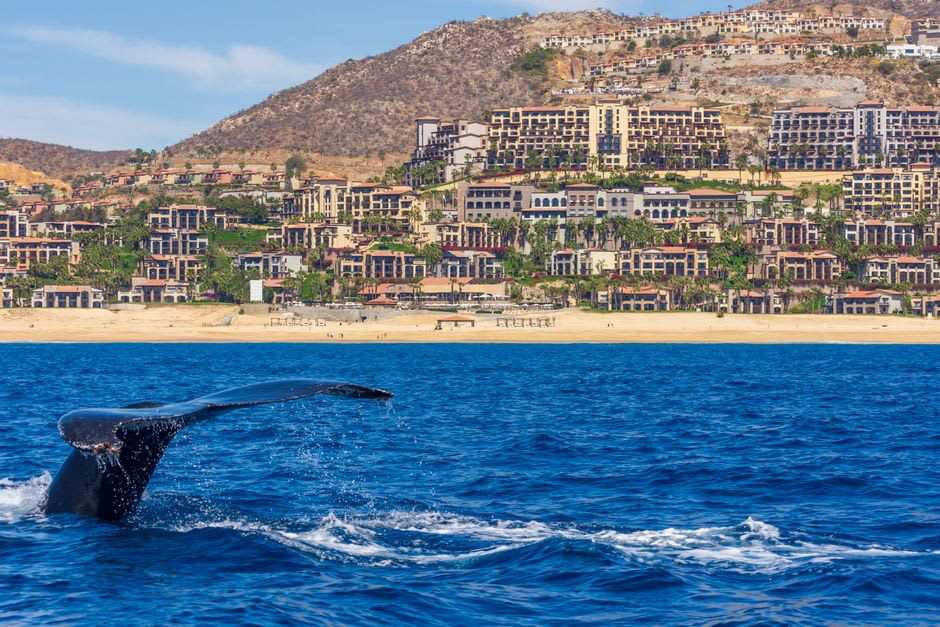
San Ignacio sits on Mexico Highway 1, roughly 230 kilometers south of Santa Rosalía and about 140 north of Loreto. From Tijuana it is a nine-hour drive; most travelers coming from the north break the trip in Guerrero Negro first. Aguila buses run through on the Tijuana–La Paz route, though a vehicle gives you far more flexibility for the sierra excursion. January through March overlaps with grey whale season at Laguna San Ignacio, twenty kilometers west.