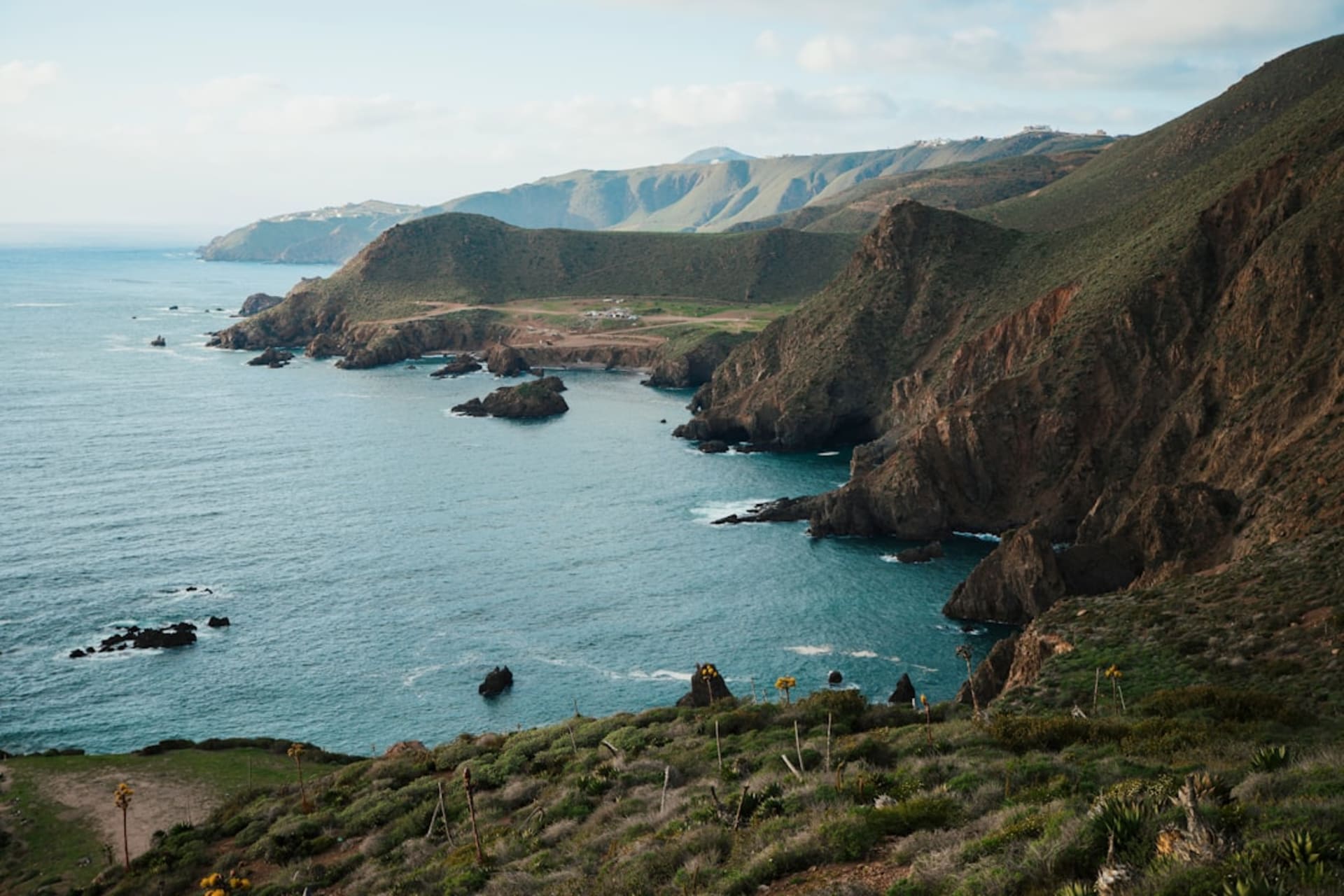
Punta Abreojos
"Some places reward the effort of getting there with views; Punta Abreojos rewards you with the feeling that you earned the right to be there."
The road from Guerrero Negro takes close to three hours once you leave the highway, and the last sixty kilometers are dirt. I counted seventeen washboard sections before I stopped counting and let the truck absorb it. When Punta Abreojos finally appeared — a scatter of low white buildings against a wide, grey Pacific — I understood the name. You need to keep your eyes open out here, in the practical sense: there are ruts that will swallow a tire. But also in the other sense, the one that matters more. This place has a way of demanding your full attention from the moment you arrive.
The Break at the Point
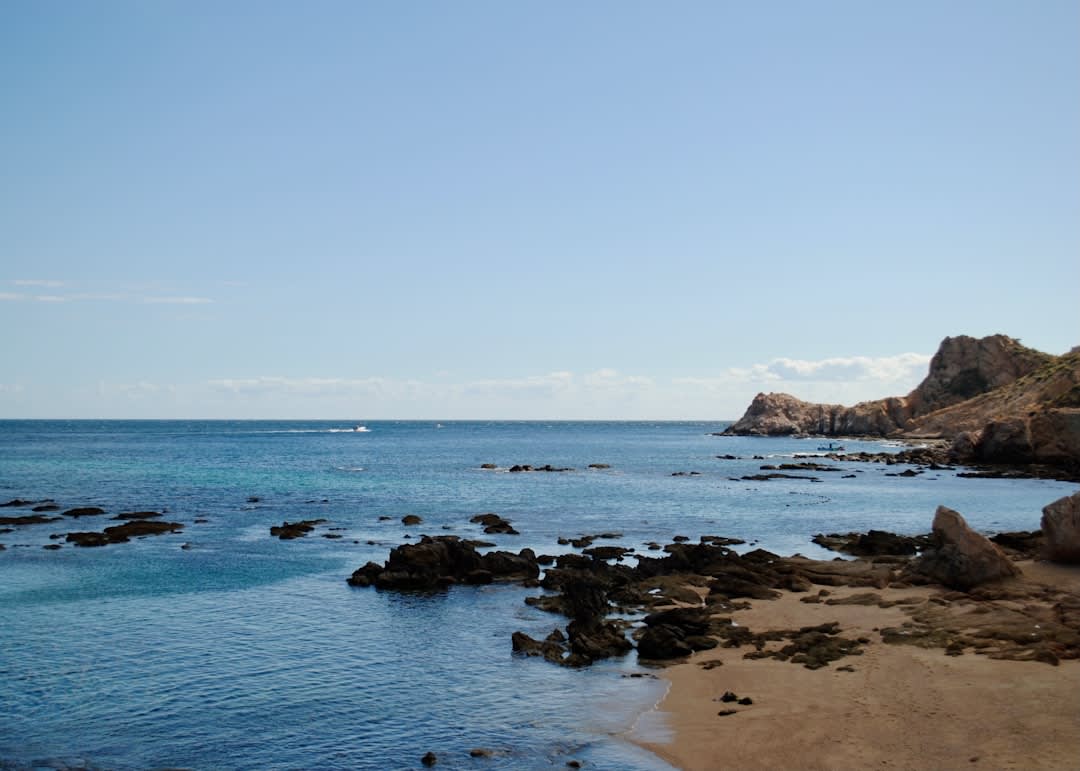
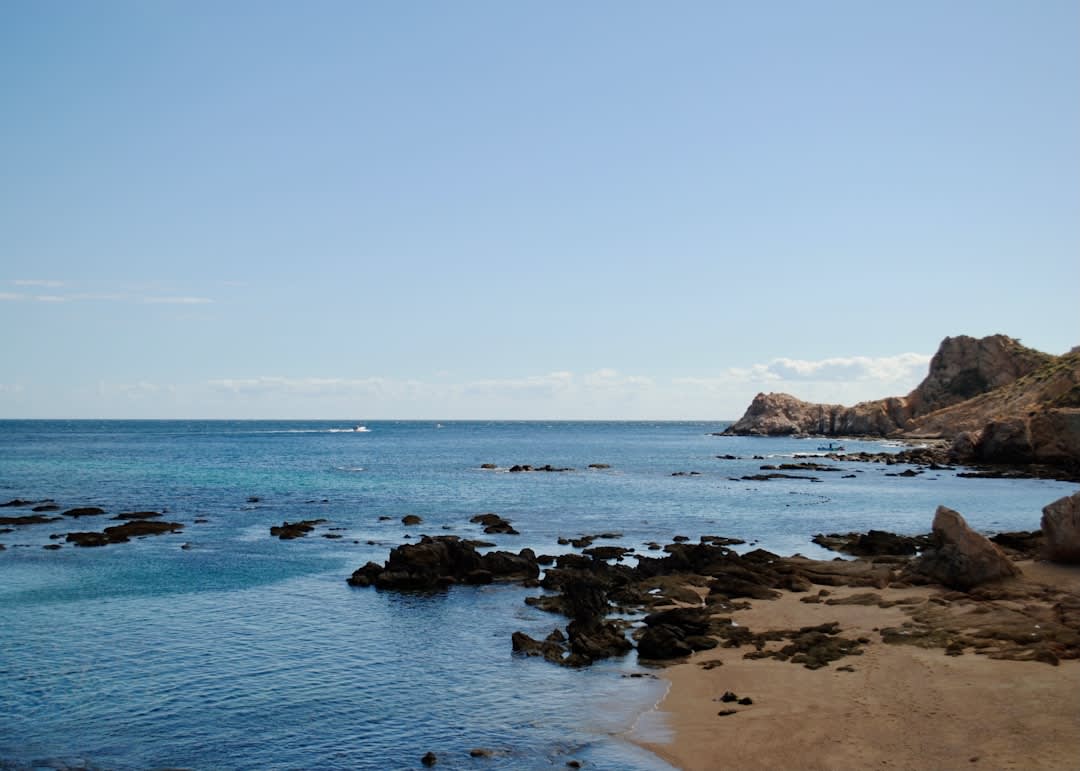
The wave at Punta Abreojos peels off the rocky point at the edge of town, and on a solid northwest swell it ranks among the better right-hand points on the Pacific side of Baja. I’m not a great surfer — I’ll say that plainly — but I paddled out on a morning when the sets were shoulder-high and manageable, and I shared the lineup with four other people. One was a kid from town destroying it on a beat-up shortboard. The other three were a couple from San Diego who had driven down every November for nine years. “We stopped telling people about it,” the woman told me between sets. I understood completely.
The point works best on mid to high tide, before the afternoon wind turns the surface choppy. Early morning the water is glassy and the sets arrive in clean, readable lines. On flat days — and there are flat days — the water is clear enough to see the bottom at fifteen feet, and the only sound is the cooperative’s boats heading out before dawn.
The Cooperative
Punta Abreojos is a fishing town in the most operational sense: the Sociedad Cooperativa de Producción Pesquera controls the local lobster fishery under a quota system that has kept the population healthy for decades. The season runs October through February. During those months, the boats go out before dawn and return by mid-morning with spiny lobster destined almost entirely for export — mostly Asia — though you can eat it locally if you know to ask.
I had lunch at a small comedor near the cooperative’s processing building, no sign outside, run by a woman named Doña Carmen who put half a grilled lobster in front of me with rice, black beans, and handmade tortillas for two hundred pesos. It was the most honest meal I had in Baja. I went back the next day and ordered the same thing. She seemed unsurprised.
The Whales
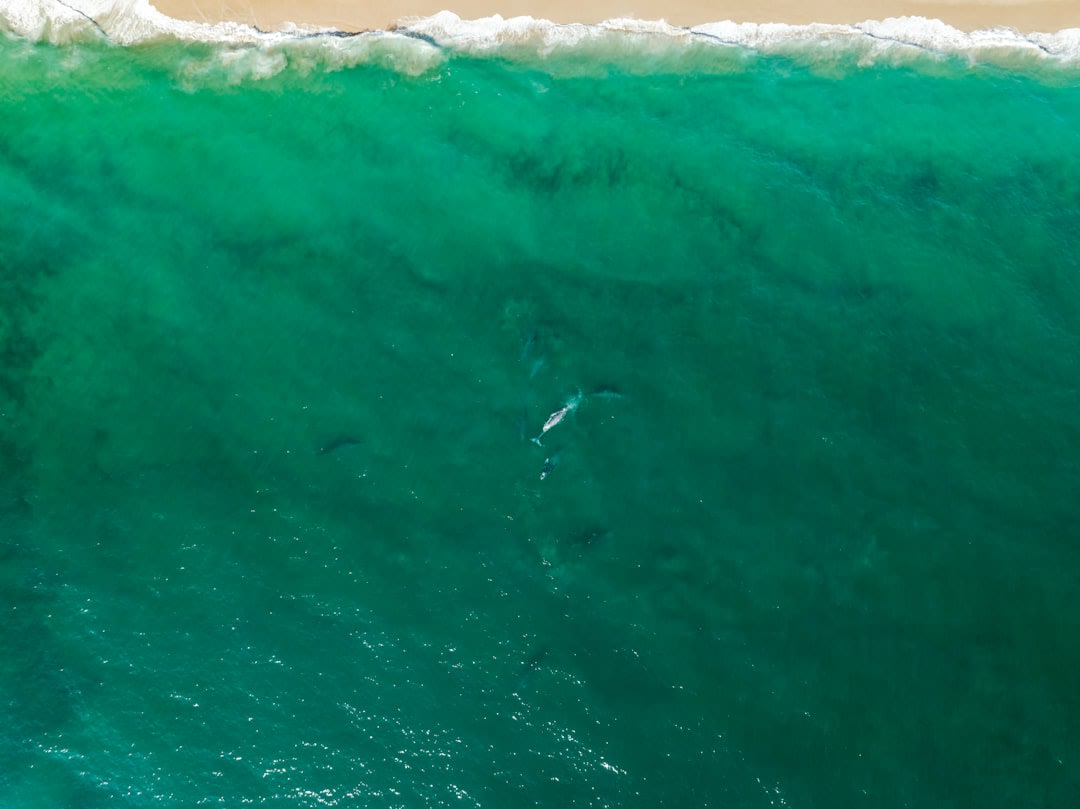
Between January and March, grey whales move through the nearshore waters around the outer Baja coast on their way to and from the calving lagoons to the south. You don’t need a panga to see them. Some mornings, standing on the point at first light, I heard them before I saw them — that long pressurized exhale, unmistakable once you know it, like something very large slowly letting go. They surface close enough that you can see the barnacles on their backs.
A local fisherman offered to take me out in his small boat for three hundred pesos. We cut the engine fifty meters from a mother and calf and drifted. Nobody spoke. It seemed like the only reasonable response.
Getting There
Turn off Highway 1 at the Punta Abreojos sign roughly 30 kilometers south of Guerrero Negro. The pavement ends after about 10 kilometers; the remaining 60 kilometers are dirt and gravel, passable in a standard vehicle but more comfortable in a truck. Plan three hours from the turnoff. Fill up in Guerrero Negro — there is no gas station in Abreojos, and mobile signal is essentially nonexistent once you leave the highway.