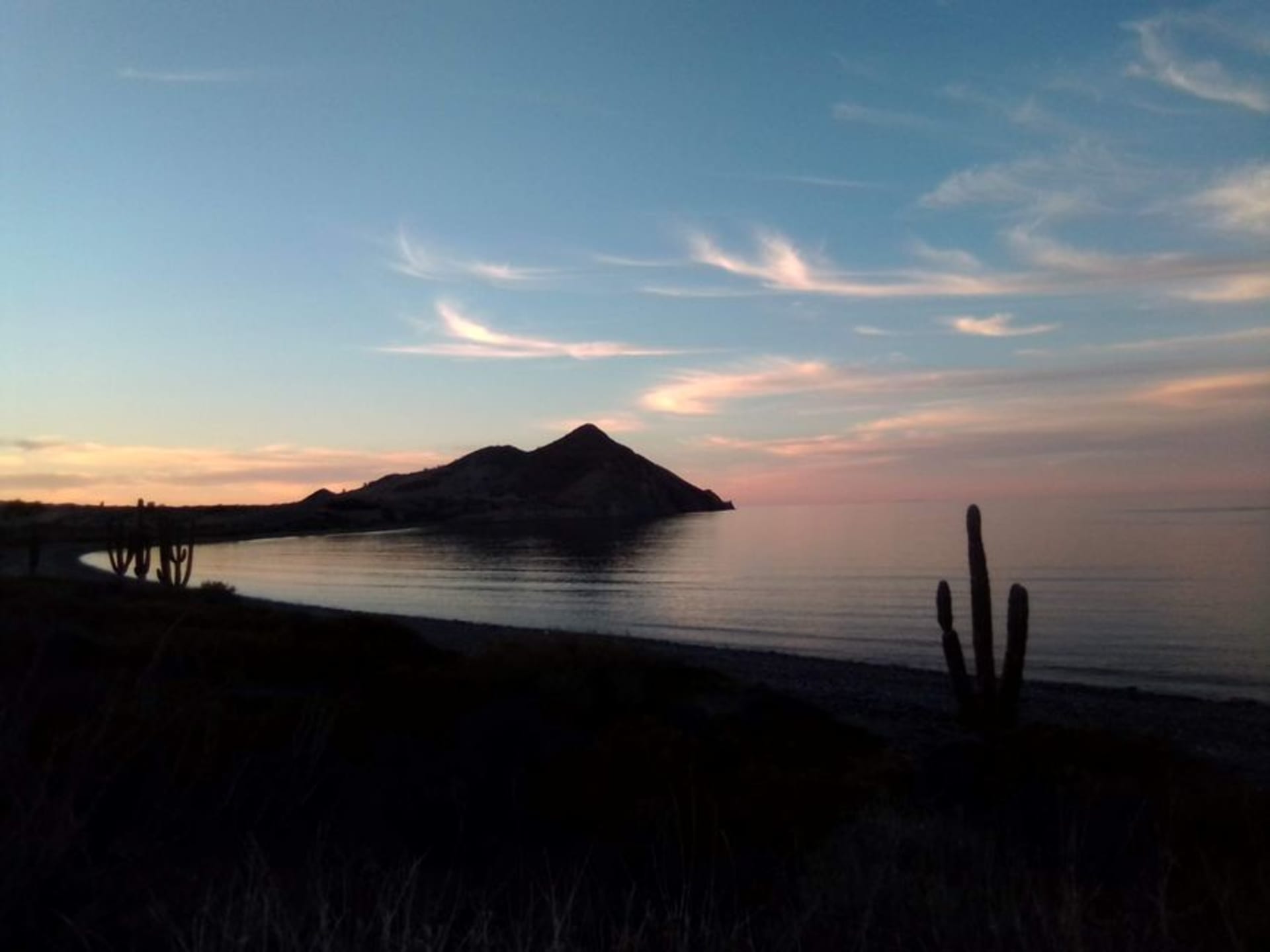
Los Barriles
"The East Cape wind is honest and does not mess around — and neither do the kiteboarders who built their whole lives around it."
The drive north from Cabo San Lucas takes about an hour on Highway 1, but the distance in atmosphere is considerably larger than that. Past San José del Cabo the resort corridor dissolves, the highway lifts into dry volcanic hills, and somewhere around Los Planes the landscape shifts into something more austere and honest. I arrived in early December on a friend’s tip — he had stopped here for a weekend five years earlier and still had a Los Barriles phone number saved in his contacts. The town announced itself with a dust-covered main street, a row of surf shops stocked with kite-specific inventory, and a wind that hit me the moment I stepped out of the truck and did not apologize.
The Wind That Built This Town
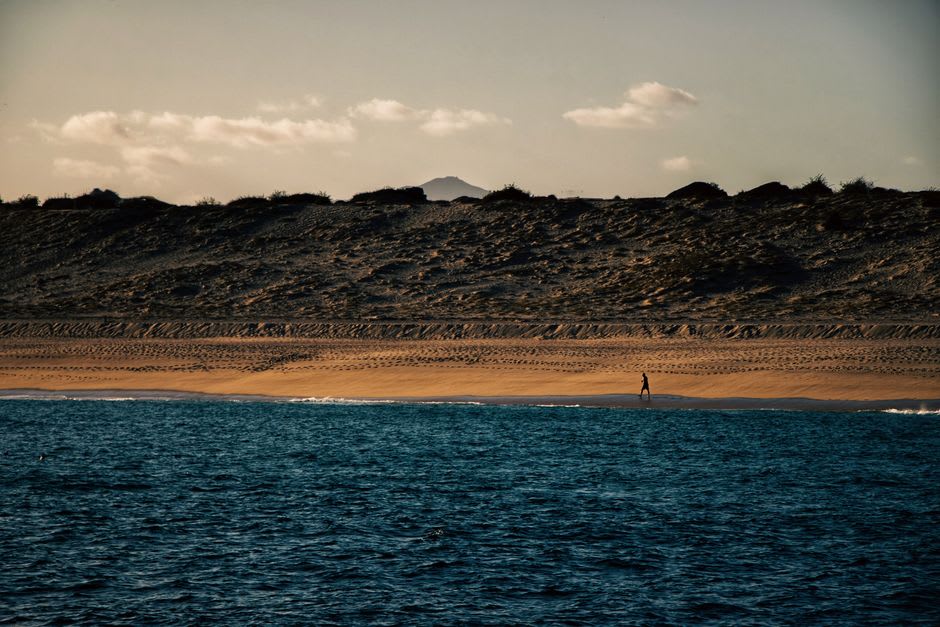
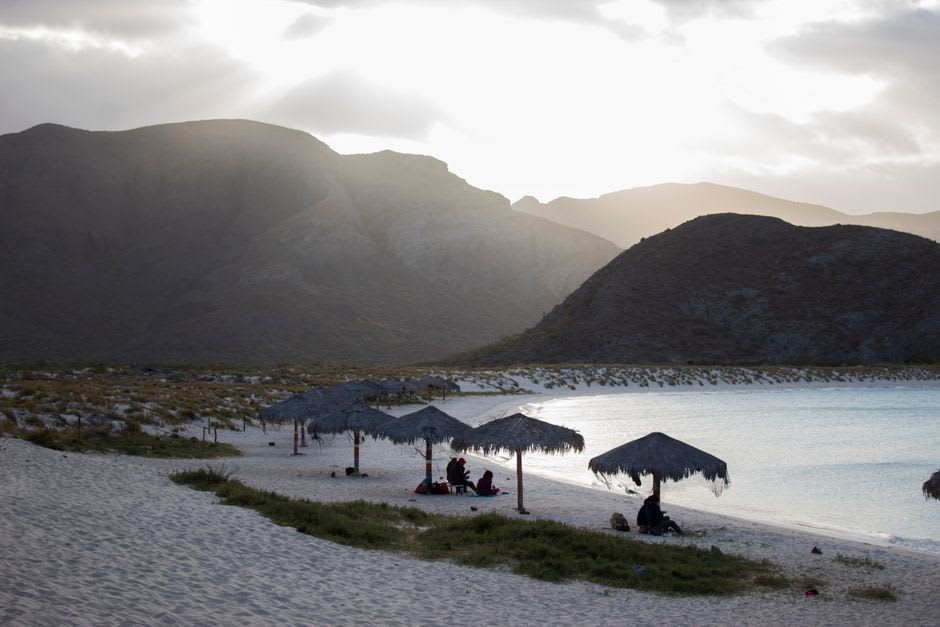
November through March, the nortes sweep down the Baja peninsula and funnel across the Sea of Cortez with a consistency that kiteboarders refer to, without irony, as a gift. Los Barriles has organized itself almost entirely around this seasonal fact. The beach in front of town — a long, gently curved strip of coarse sand with volcanic hills behind it — is divided between the fishermen’s pangas at the north end and the kiters at the south, an arrangement that seems to work on trust and long practice.
I took a lesson at Vela Windsurf Center, one of several outfits that rent boards and run instruction along the beach road. My instructor had driven down from California six years earlier and was now on his third winter running lessons. By the second session I was riding downwind with enough control to feel the specific pleasure of the East Cape wind — sustained rather than gusty, the kind that lets you think rather than just react. The beach fills between ten in the morning and three in the afternoon, when the wind peaks, and empties again at dusk.
Fishermen and Tacos de Marlin
Before the kiteboarders arrived, Los Barriles was a fishing camp. It still is, in the hours before the wind picks up. The pangas leave around five in the morning — you can hear the engines from anywhere in town — and return with yellowfin tuna, wahoo, and dorado that the restaurants on the main street will cook for you that evening.
The place I ate most often was a small palapa stand near the town entrance, the name on the sign half-erased by salt air. Tacos de marlin ahumado — smoked marlin — with pickled onion and salsa verde, three for eighty pesos, eaten standing at a plastic table while the wind made the tarp overhead sound like a low-level argument. The fish soup at the market stalls is also worth setting an early alarm for, though in Los Barriles the fishermen’s schedule means that early is a relative term.
Staying Longer Than You Planned
The town is small enough to learn in a day — one main drag parallel to the beach, one OXXO, one larger grocery, and a handful of bars where the same rotating cast of people reconvenes each evening. The social life is informal to the point of feeling organized by accident. The Buzzard Bar is where the expat kite community drinks cold Pacificos and trades wind forecasts from the weather app they all use to predict the next morning’s conditions.
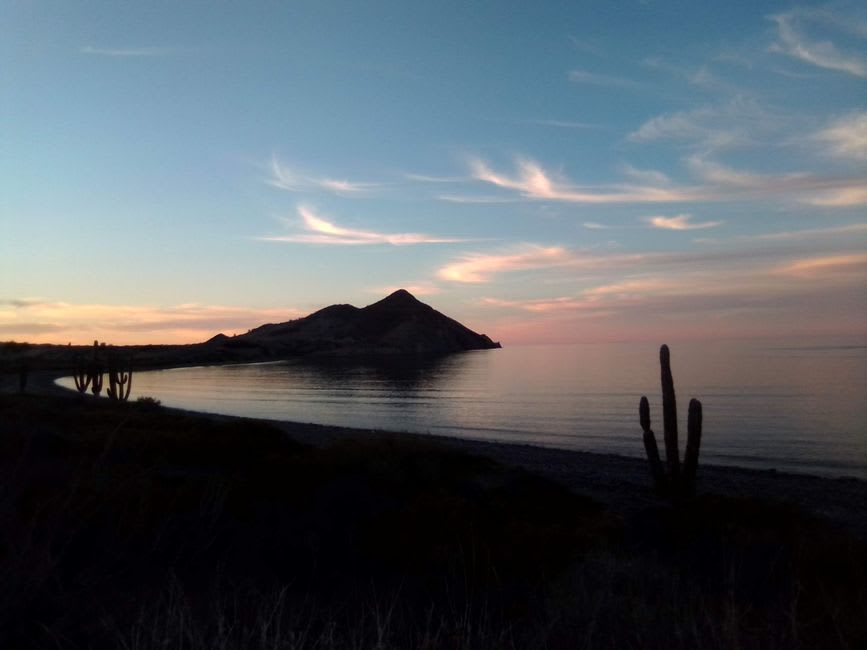
If you are not on a board, the East Cape still justifies the detour. There is snorkeling at Punta Pescadero and a dirt road running north through remarkable desert coastal scenery toward La Ribera. Rent an ATV or trust whatever vehicle you drove in on. The desert here smells of cardon cactus and dry volcanic rock, and when the wind shifts, of the Sea of Cortez.
Getting There
Los Barriles is ninety kilometers north of Cabo San Lucas on Highway 1, roughly an hour from Los Cabos International Airport (SJD). La Paz is two hours north. There is no direct bus service into town — most people rent a car in Cabo or drive the Baja highway. The turnoff from Highway 1 is well-marked and the road into town is paved.