La Ribera
"The fisherman who sold me a yellowfin tuna off his panga charged less than I had paid for coffee that morning in San José del Cabo, and I understood in that moment exactly what kind of mistake most tourists make."
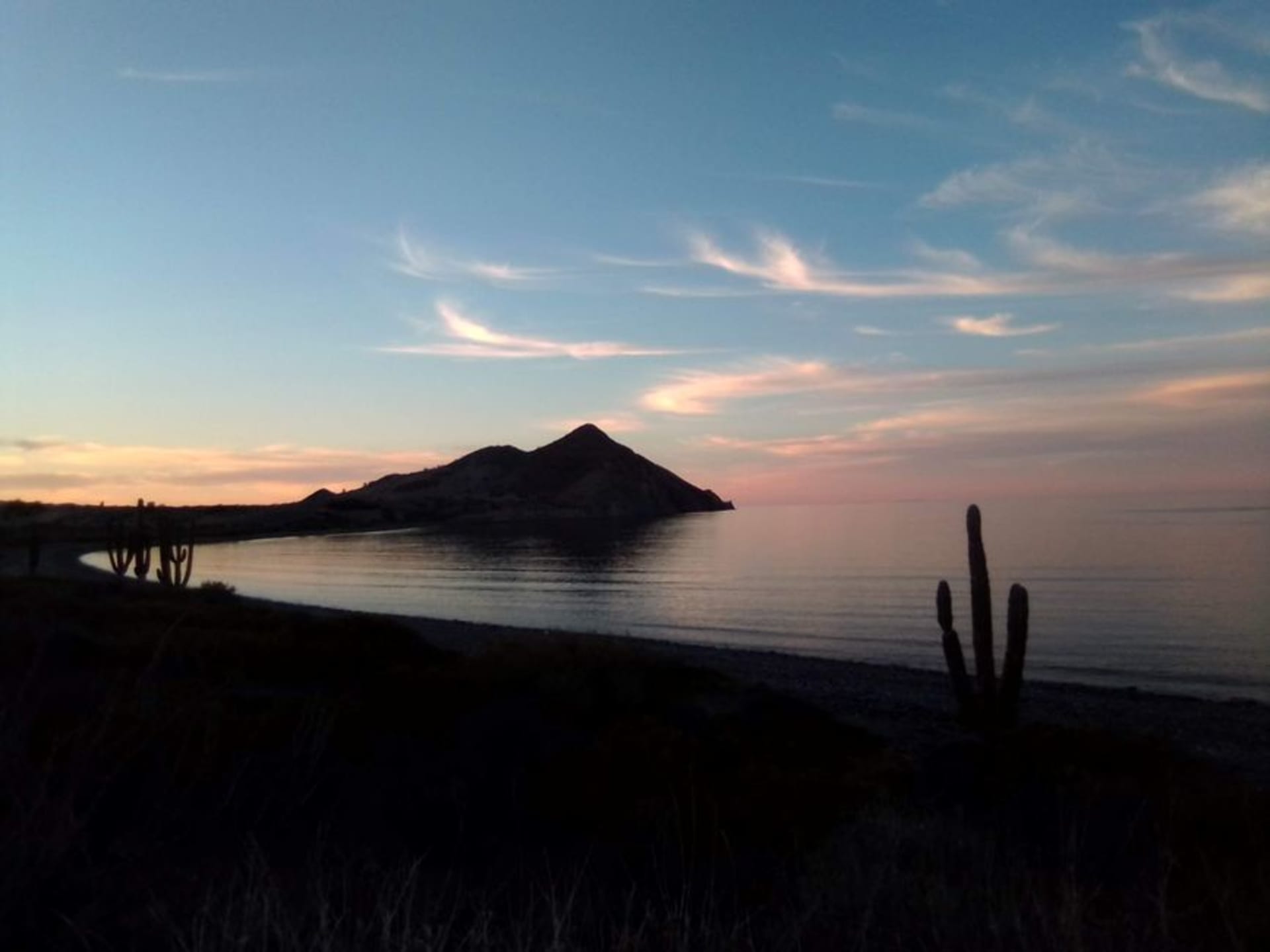
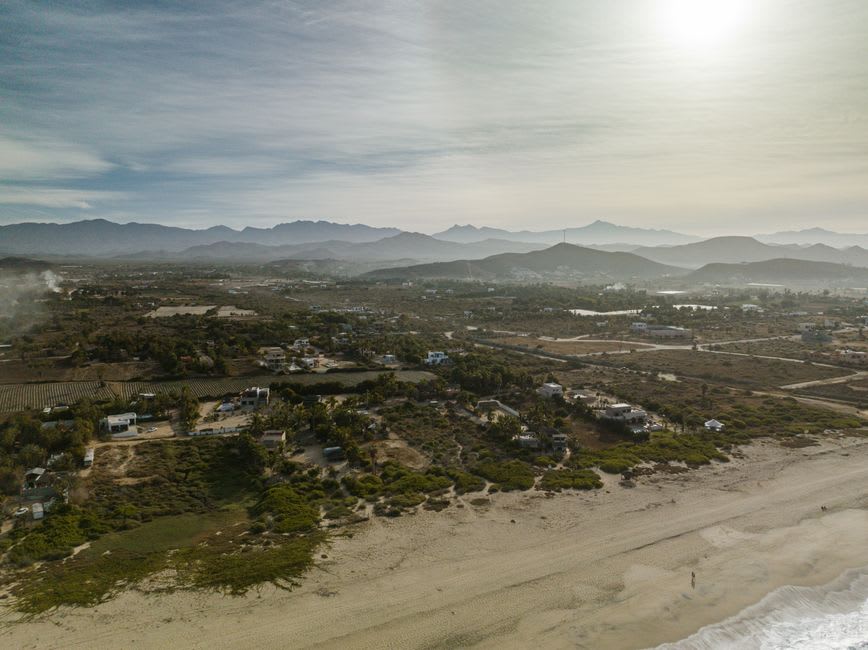
I pulled into La Ribera just after noon on a Tuesday, the road from the highway still chalky with desert dust. There was no sign announcing anything worth stopping for. A handful of pangas were beached in the shallows, one tienda offered cold Pacificos and not much else, and the Sea of Cortez lay ahead in a shade of blue I had not seen on the Pacific side — deeper, more interior, like the water knew it was enclosed. I stayed four days. I had planned for two.
The East Cape and Its Fish
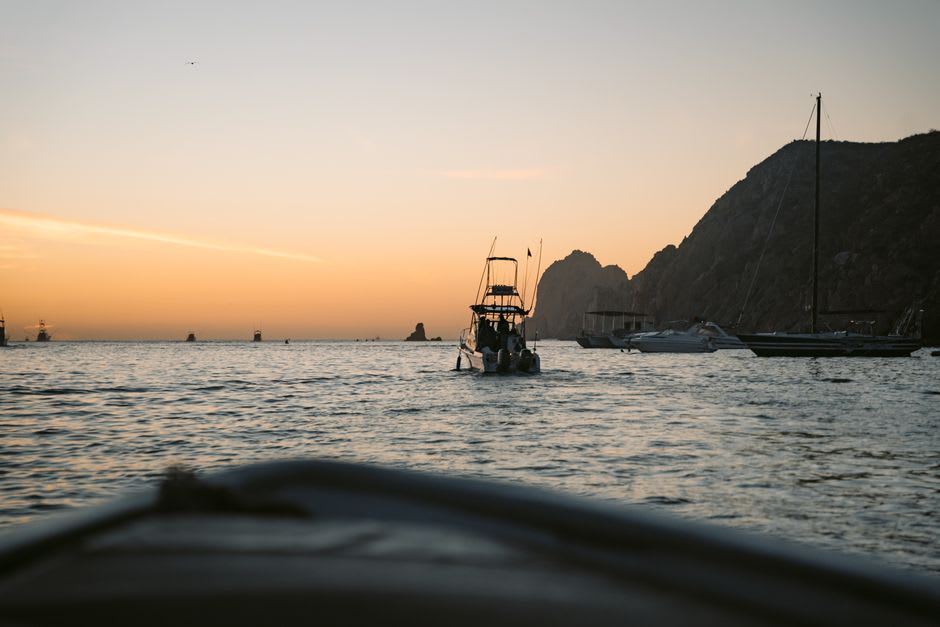
The thing nobody tells you about La Ribera is that the Sea of Cortez here is serious water. Jacques Cousteau called it the world’s aquarium, and while that phrase has been repeated to the point of meaninglessness, you feel the truth of it the morning you watch a panga come in loaded with yellowfin tuna before eight o’clock. The fishing community launches from the beach below the main road — no marina, no permit kiosk, just men and boats and salt. I arranged a half-day out with a captain named Roberto, found through the owner of the house I rented on Calle Peralta. We caught dorado and released it, then trolled back through a corridor of jumping rays. He charged me eight hundred pesos for four hours. The fish I bought off the beach afterward — a yellowfin, maybe four kilograms — cost two hundred more. I cooked it that evening with garlic and a lime from the yard, and it was better than anything I had eaten at a restaurant in weeks.
Diving the Nearby Reefs
La Ribera works well as a quieter base for divers working the East Cape reefs. Los Frailes and Cabo Pulmo are both within reach, and the latter is one of the only living coral reefs in the Eastern Pacific — a national marine park where the recovery since the fishing ban of the 1990s is genuinely visible. I went twice with a small operation out of Los Barriles, thirty minutes north, since La Ribera itself has no dive shop. What it does have is proximity without the crowd. At Los Frailes on a weekday morning, I counted four other divers. The schooling fish move in formations dense enough to block the light momentarily, and the bottom holds the kind of stillness that makes you want to stay down until your tank argues otherwise.
The Village After Dark
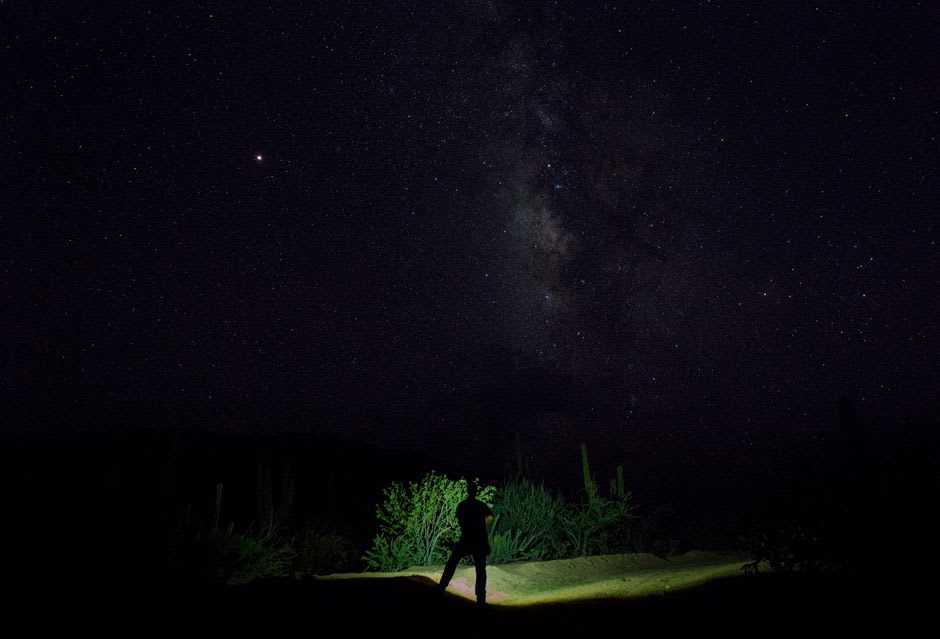
By six in the evening the wind picks up off the sea and drops the temperature ten degrees in an hour. The village quiets, the tienda fills briefly with fishermen, and then the sky does something I was not ready for. I had not seen the Milky Way that clearly since Oaxaca’s sierra. There is one restaurant in the village proper — a palapa place near the waterfront whose name shifts depending on who you ask — serving caguama broth and whatever came in that day. The caguama was slow-cooked and better than it had any right to be. Eat early. Bring a jacket. The wind will remind you the East Cape is not Cabo.
Getting There
From San José del Cabo it is roughly 60 kilometers on Highway 1 north to the La Ribera turnoff, then another ten minutes on an unpaved road into the village — manageable in most vehicles outside of rainy season. There is no reliable public transit. A rental car is not optional. Los Barriles, 30 kilometers north, has the nearest fuel station.