La Purísima
"Three hours on a dirt road just to find people who don't seem to need the rest of Mexico. I envied them a little."
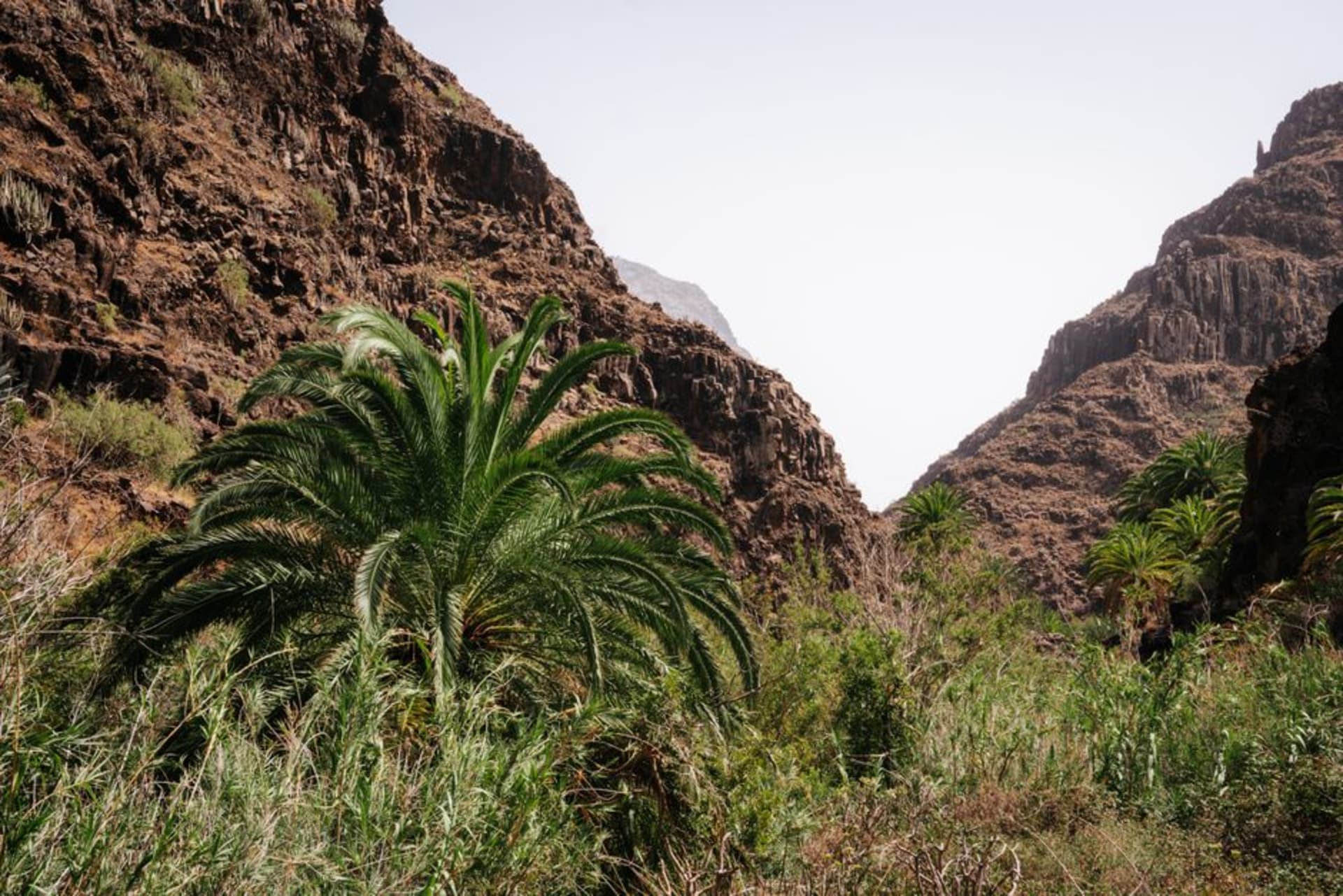
The navigator announced arrival somewhere around kilometer 40, which was wishful thinking on its part — there was nothing there, just the same pale scrubland and the same corrugated track filing dust into every crevice of the truck. Then the arroyo dropped into view below the road and the palms were suddenly everywhere, dense and improbable, and La Purísima appeared in the canyon fold: a few dozen buildings, a dog barking from a reasonable distance, someone’s laundry drying between two mesquites. I sat in the truck for a moment just taking stock of what I’d driven three hours to find.
An Arroyo That Earns Its Reputation
The date palms are the argument for coming. They grow in columns so dense along the arroyo bed that the creek disappears beneath them in places — you hear the water before you see it, running shallow over smooth volcanic stone. Walking the canyon path in early morning, before the heat remembers to show up, the contrast with the surrounding Baja desert is almost disorienting. It should not be this green. The families here have known this for generations, tending huertos of dates, figs, and citrus with the matter-of-fact ease of people who don’t need you to be impressed. In October the date clusters hang heavy and gold; I visited in March and found a woman named Doña Carmen selling small bags of the dried harvest from a plastic table in front of her house — 30 pesos a bag, which is not enough for something that tasted like that.
The Mission That Returned to the Earth
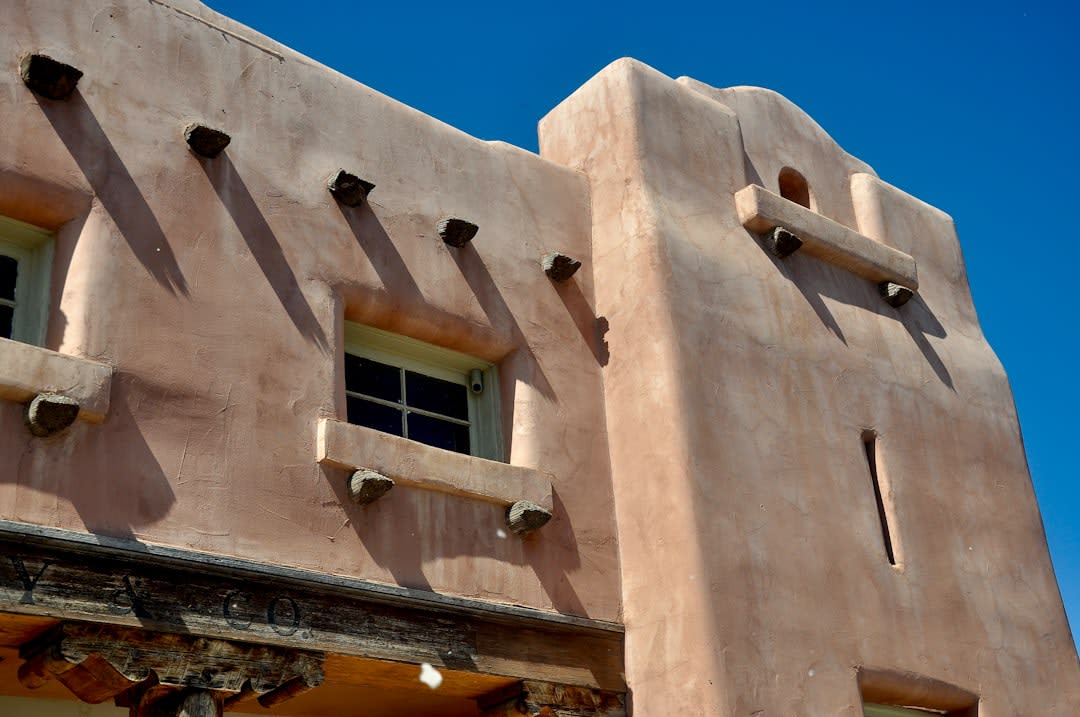
The Misión de La Purísima Concepción was founded in 1720 by the Jesuits, who lasted here for a few decades before the crown expelled the order and left the peninsula to sort itself out. The walls lasted longer than the institution — three centuries, give or take — before returning more or less to the adobe they came from. What stands now rises to knee or waist height in places, the outlines of the nave and ancillary rooms legible if you’re patient. There is no fence, no placard in four languages, no admission. A mesquite has grown through the middle of what was probably the sanctuary. I spent an hour there in the late afternoon light, when the eroded walls cast long shadows across the dry grass, and didn’t feel the need to photograph very much. Some things document better in memory.
Food, Camping, Adjacent Silence
The comedora near the village’s central open space — calling it a plaza would be too formal; it’s more of a widening in the road where the church faces a tree — served me caldo de pollo with chiles secos and a stack of flour tortillas wrapped in a cloth. The man running it did not ask where I was from. We ate in adjacent silence, which was the right way to eat there. Camping along the arroyo is the more common arrangement, and suits the place better than a guesthouse would. Bring everything. There is no tienda with supplies, no pharmacy, no ATM. What La Purísima has it grows.
Getting There
The standard route runs from Ciudad Constitución, roughly 60 kilometers of unpaved road heading northeast through the sierra — locals call it accidentado, which is accurate and mild. Budget two to three hours depending on recent weather and your vehicle’s clearance; a high-clearance truck is not a suggestion. The road deteriorates after rain, so the dry window of November through May is the practical option. Fill your tank in Ciudad Constitución. There is nothing between there and the palms.