comondu
"This is what the peninsula looked like before the tourists arrived, and with roads like these, it will stay that way a while longer."
I had read about comondu in three different books about Baja and none of them agreed on how bad the road was. Forty-five kilometers of washboard and loose rock from the highway turnoff near Ciudad Insurgentes, depending on rainfall and how recently the last truck went through. It took me two hours and fifteen minutes in a borrowed pickup with decent clearance, and I arrived at the canyon rim in the middle of the afternoon with my teeth slightly rattled and a very clear sense that I had left the normal world somewhere around kilometer twenty.
A Canyon That Feeds Itself
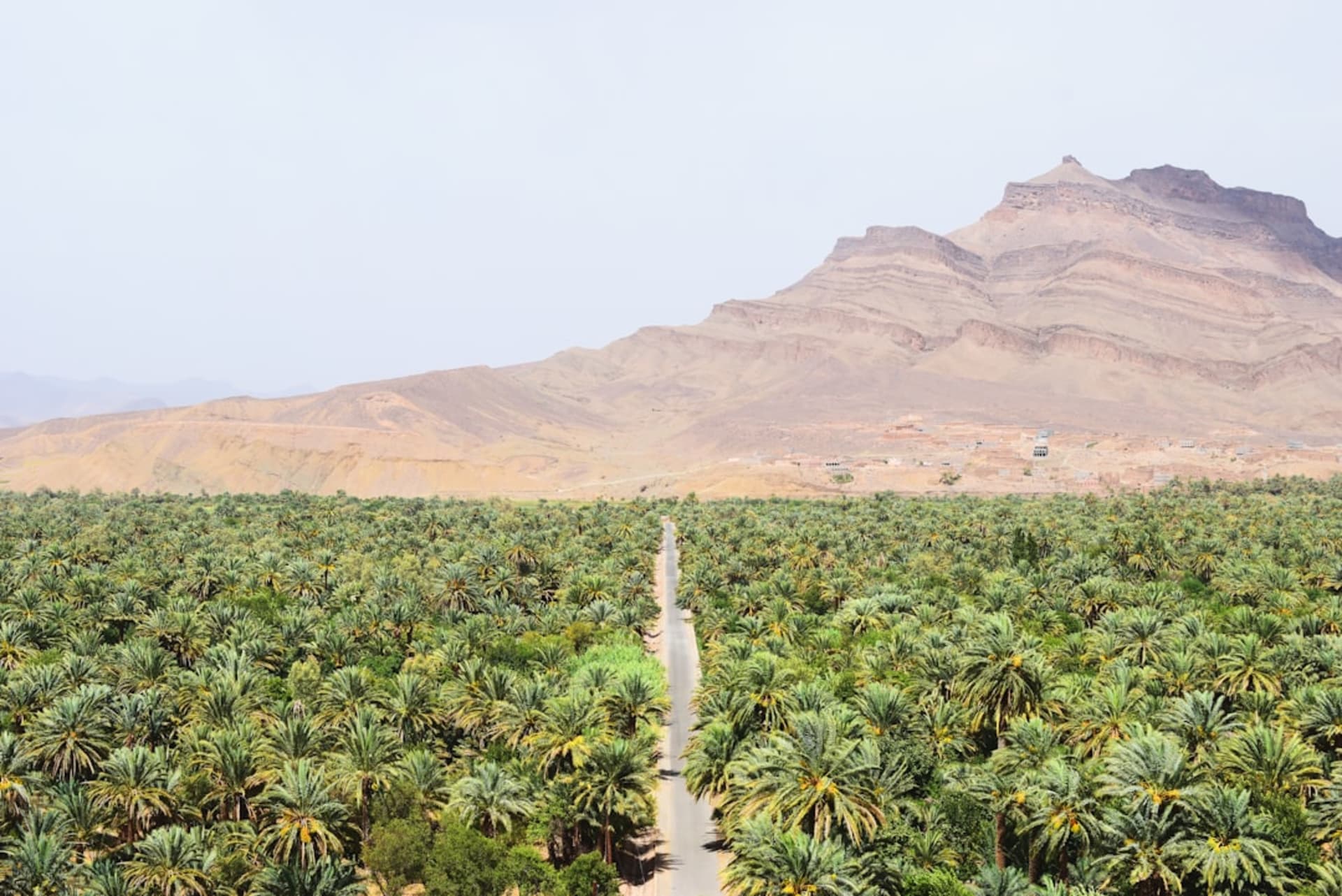
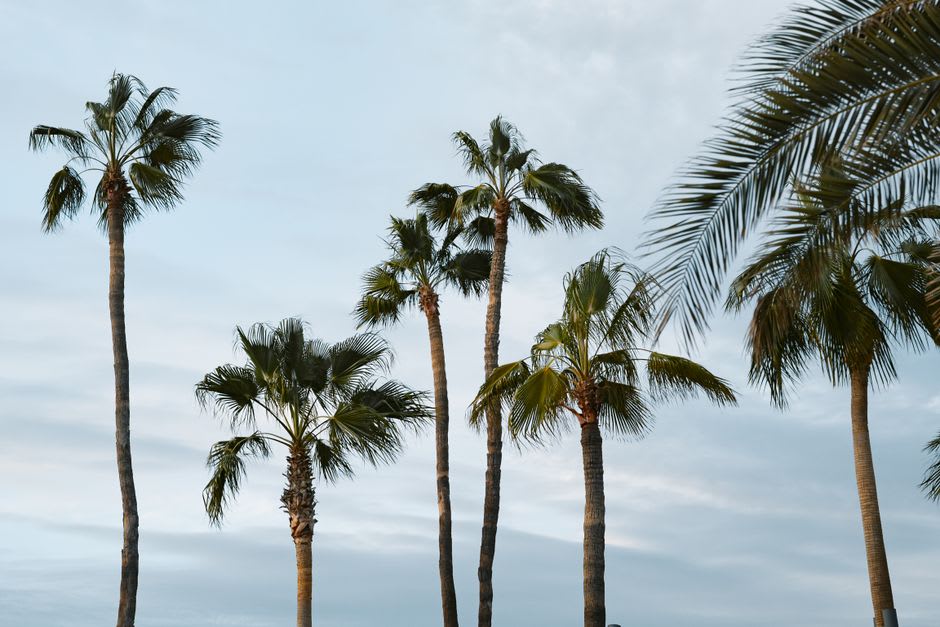
What drops you is the physical fact of it. The Sierra de la Giganta opens up without warning into a green corridor four hundred meters below the desert plateau — date palms, fig trees, sugarcane, citrus, all of it fed by a hand-built aqueduct that the Jesuit missionaries engineered in the 1700s and that the village still uses today. Not as a curiosity. As infrastructure. Water runs through it every day.
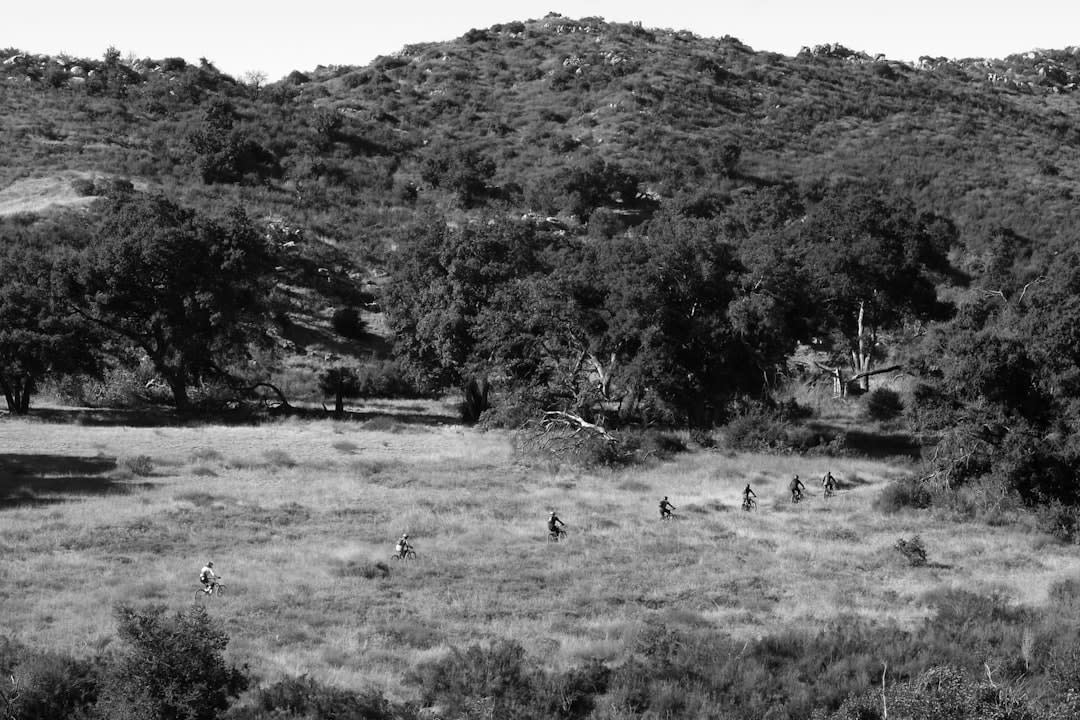
San José de comondu sits at the lower end of the canyon, San Miguel about two kilometers up. Between them runs a dirt path that horses use more than trucks. The ranchero families who have been here for six or eight generations treat the horse as the logical solution to a canyon with no real road through it, and watching someone ride past at seven in the morning with a week’s worth of supplies lashed to the saddle is not picturesque — it is simply how things work here.
The date harvest runs through October and into November. The figs come earlier, in August. I was there in the dry season and even then the canyon floor felt improbably lush against the bleached sierra walls above it.
The Mission and What Remained
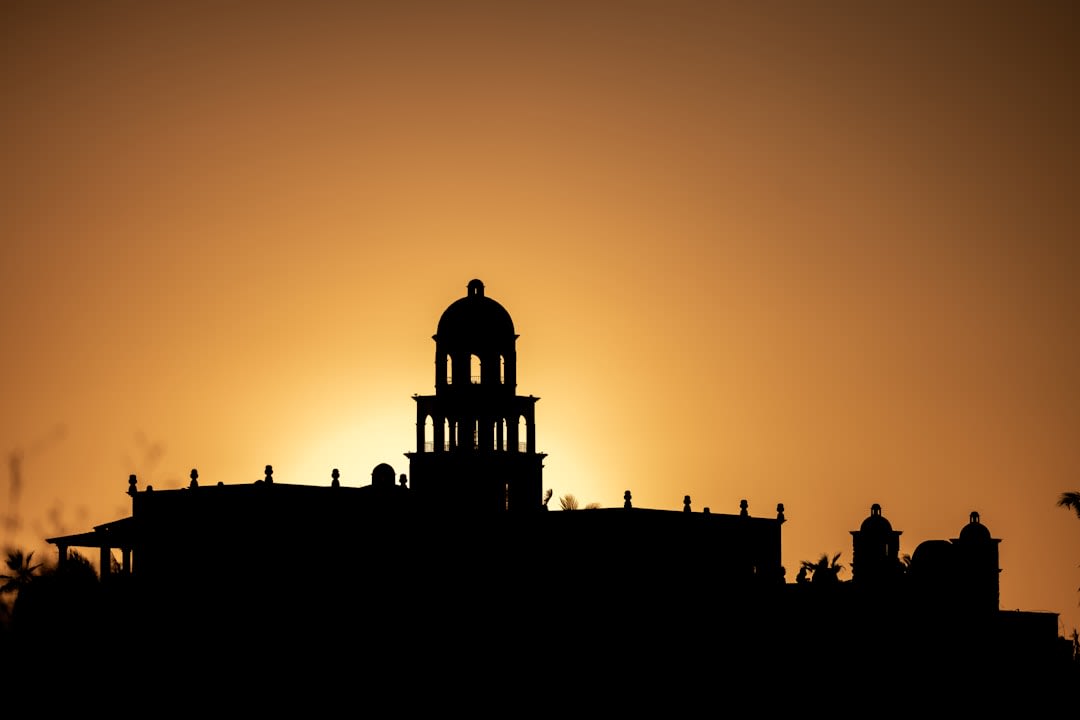
The church in San José de comondu is the third structure on the site — the Jesuits built the first in 1708, the Franciscans rebuilt it, time dismantled that one too. What stands now is modest and thick-walled, the way all useful things are in the desert. Inside it smells of candle wax and old stone. There is no tourism apparatus around it. There is no entrance fee, no interpretive panel, no gift shop selling miniature mission replicas. A woman was sweeping the floor when I walked in and she nodded and kept sweeping.
The families here press their own date syrup — dark, viscous, closer to molasses than the grocery-store variety — and some of them still make colonche, a fermented drink from pitaya cactus fruit that the Cochimí people were making before the Jesuits arrived. I had a glass of date atole in the kitchen of a woman named Petra, who did not seem surprised to have a visitor and also did not seem particularly interested in me. The atole was thick and faintly sweet and I drank two cups.
Staying and Leaving
There is no hotel in comondu. There is a small guesthouse arrangement that a few families run informally — ask around in San José when you arrive. Camping is possible on the canyon floor if you have your own water and food, because the villages have no restaurant, one small tienda with intermittent stock, and a collectively low interest in your logistical problems.
The thing nobody tells you is that the return road hits differently. Going in, you are bracing for what you might find. Going out, you know exactly what you are leaving, which makes the washboard feel longer.
Getting There
comondu sits roughly 45 kilometers east of Ciudad Insurgentes off Highway 1, via a dirt track that requires high clearance — a standard sedan will not make it comfortably and may not make it at all. Fill your tank in Ciudad Constitución or Loreto before turning off. There is no fuel in comondu. The drive takes two to three hours depending on conditions. Check road status locally before going.